Manual Load Dropping
Table of Contents
Why Some Areas Experienced Manual Load Dropping: Understanding the Power Situation in the Visayas
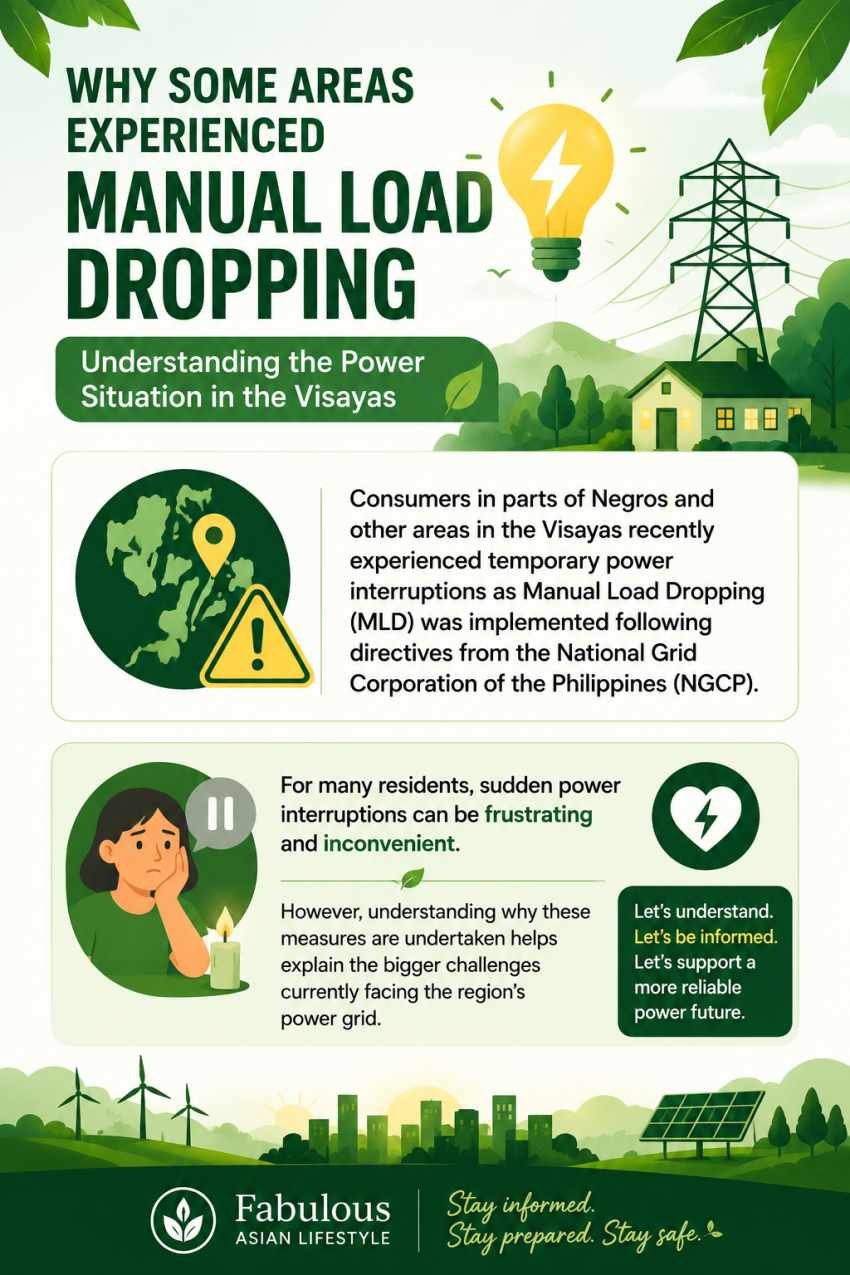
Consumers in parts of Negros and other areas in the Visayas recently experienced temporary power interruptions as Manual Load Dropping (MLD) was implemented following directives from the National Grid Corporation of the Philippines (NGCP).
For many residents, sudden power interruptions can be frustrating and inconvenient. However, understanding why these measures are undertaken helps explain the bigger challenges currently facing the region’s power grid.
What Is Manual Load Dropping?
Manual Load Dropping, commonly referred to as MLD, is a controlled and temporary interruption of power in selected areas to prevent a more serious and widespread power system failure.
Unlike unplanned outages caused by equipment failures or accidents, MLD is a grid management tool used when available electricity supply becomes insufficient to meet demand.
By temporarily reducing the load on the system, grid operators can help maintain the stability and integrity of the transmission network.
Why Was Manual Load Dropping Implemented?
According to Negros Power, the implementation of MLD was carried out in compliance with directives issued by NGCP, which manages and operates the country’s transmission system.
The measure was necessitated by limited available power generation within the Cebu-Negros-Panay sub-grids, an interconnected portion of the Visayas power network.
Earlier, NGCP placed several distribution utilities across the Visayas on alert for possible Manual Load Dropping between 3:00 PM and 9:00 PM, a period that typically coincides with higher electricity demand.
As generation reserves tightened, NGCP subsequently instructed affected distribution utilities to proceed with load management measures.
Not a Decision Made by Distribution Utilities
One important point emphasized by Negros Power is that the Manual Load Dropping was not initiated by the company itself.
Engr. Leomel Tambanillo, Assistant Vice President for Planning and Business Operations and System Operations Executive of Negros Power, explained that the action was directed by NGCP as part of efforts to maintain the stability of the power grid.
As a distribution utility, Negros Power is required to comply with operational directives issued by the grid operator whenever system conditions warrant such actions.
In other words, the distribution utility delivers electricity to consumers, but the management of the transmission system and overall grid stability remains under the responsibility of NGCP.
Why Grid Stability Matters [ Manual Load Dropping ]
While temporary power interruptions are inconvenient, grid operators often view them as a preventive measure.
Without intervention during periods of limited generation, the risk of larger and more extensive power disturbances increases. Such events could potentially affect a much broader area and require longer restoration times.
Manual Load Dropping is therefore intended to distribute the impact in a controlled manner while protecting the overall reliability of the power system.

What Consumers Can Do [ Manual Load Dropping ]
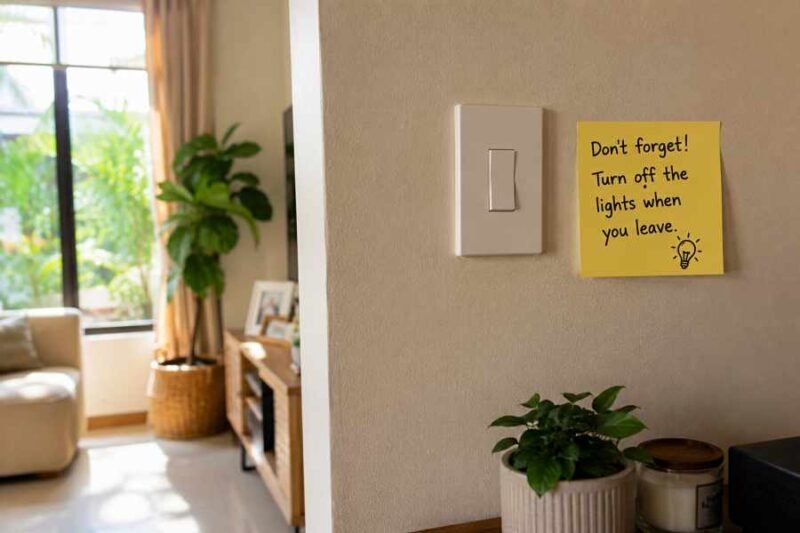
During periods of constrained power supply, consumers can help reduce pressure on the grid by practicing prudent electricity use, particularly during peak demand hours.
Simple measures such as turning off unused appliances, minimizing non-essential electricity consumption, and using energy-efficient devices can collectively help reduce demand on the system.
Consumers are also encouraged to monitor official advisories from NGCP and Negros Power for updates regarding power conditions and any scheduled load management activities.
Looking Ahead
The recent Manual Load Dropping serves as a reminder of the continuing challenges facing the country’s energy sector. Growing demand, limited generation reserves, and the need for additional power infrastructure remain important issues that affect households, businesses, and communities alike.
For now, Negros Power says it continues to coordinate closely with NGCP while keeping consumers informed about developments affecting the power system.
As efforts continue to stabilize generation capacity within the Cebu-Negros-Panay sub-grids, consumers can expect updates from both the grid operator and the distribution utility regarding the restoration of normal operating conditions.
My Perspective
Whenever power interruptions occur, it is natural for consumers to direct their frustration toward the company that delivers electricity to their homes. However, after learning more about the situation, it becomes clear that the recent Manual Load Dropping was part of a broader grid management response rather than a localized utility decision.
Understanding the difference between power generation, transmission, and distribution is important because each plays a different role in delivering electricity to consumers.
While nobody welcomes temporary power interruptions, understanding the reasons behind them allows us to appreciate the challenges involved in keeping an interconnected power system stable. Sometimes short-term inconvenience is necessary to prevent a much larger disruption that could affect far more consumers.
As our demand for electricity continues to grow, investments in additional generation capacity, renewable energy, and energy infrastructure will become increasingly important to ensure a more reliable and resilient power system for the future.
MORE STORIES
- Electricity Rates Are Rising | Ways to Manage Your Power Bill
- Country of Origin Effect: Why Filipino Consumers Prefer Korean, Japanese, and American Brands
- Before Your June Electric Bill Arrives: 14 Questions Consumers Are Asking
- REDSON CONSTRUCTION Builds More Than Structures—It Builds Leaders
- RULES AFTER 60 What Matters Most Changes
- Shein and Temu: Rethinking Global Marketing
- mWell Wearables and My Health Journey
- World Ocean Day in Bago City: Negros Power Plants Mangroves
- Negros Power Helps Create Safer Classrooms in 23 Schools