Electricity Rates
Table of Contents
Electricity Rates Are Rising. Here Are 5 Practical Ways to Manage Your Power Bill.
The moment consumers hear about an electricity rate increase, the reaction is often immediate: frustration.
After all, nobody likes paying more for something as essential as electricity.
However, before we direct our frustration at the monthly bill, it is worth understanding what is actually driving the increase and, more importantly, what we can do as consumers to lessen its impact.
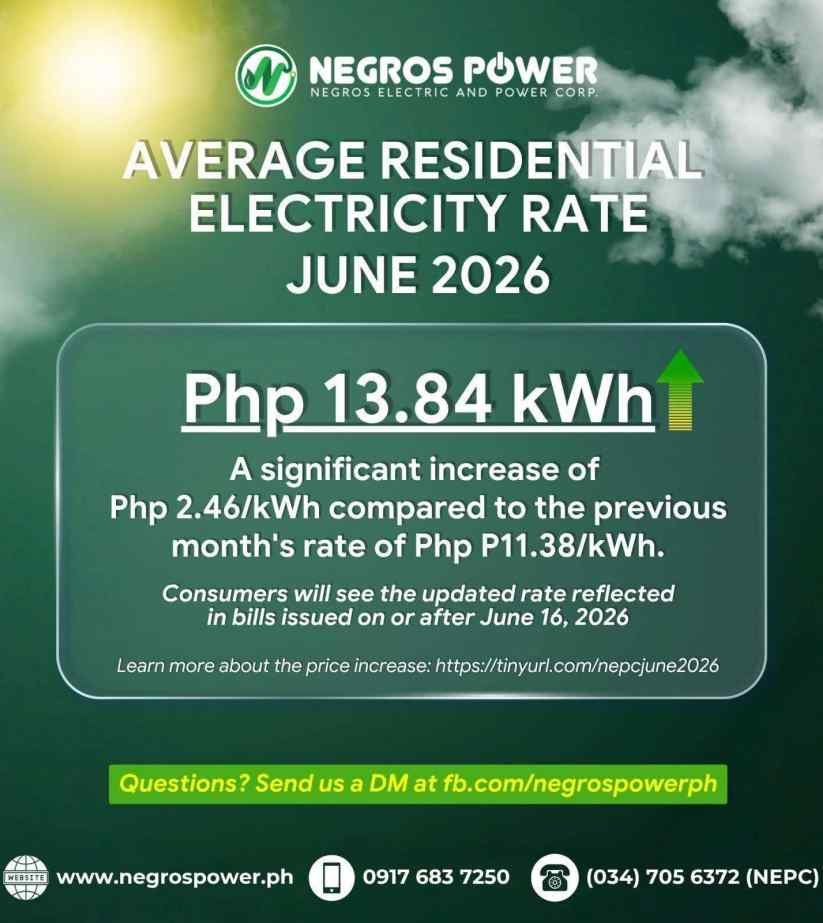
According to information released by Negros Power, the average residential electricity rate for June 2026 increased to ₱13.8417 per kilowatt-hour, up from ₱11.3808 per kilowatt-hour in May, representing an increase of ₱2.4609 per kWh.
While the increase is significant, Negros Power emphasized that the situation is not unique to its franchise area. Similar increases are expected to be experienced by electric distribution utilities across the Visayas because the factors driving the increase affect the entire power grid.

Why Did Electricity Rates Increase?
Based on the briefing conducted by Negros Power, one of the biggest contributors was the sharp increase in prices at the Wholesale Electricity Spot Market (WESM).
Simply put, WESM is where electricity is bought and sold when contracted power supply is insufficient.
During the billing period, electricity prices in the spot market reportedly more than doubled because available power supply became limited while demand remained high.
The situation was aggravated by the temporary unavailability of several power plants, reducing available generating capacity in the grid.
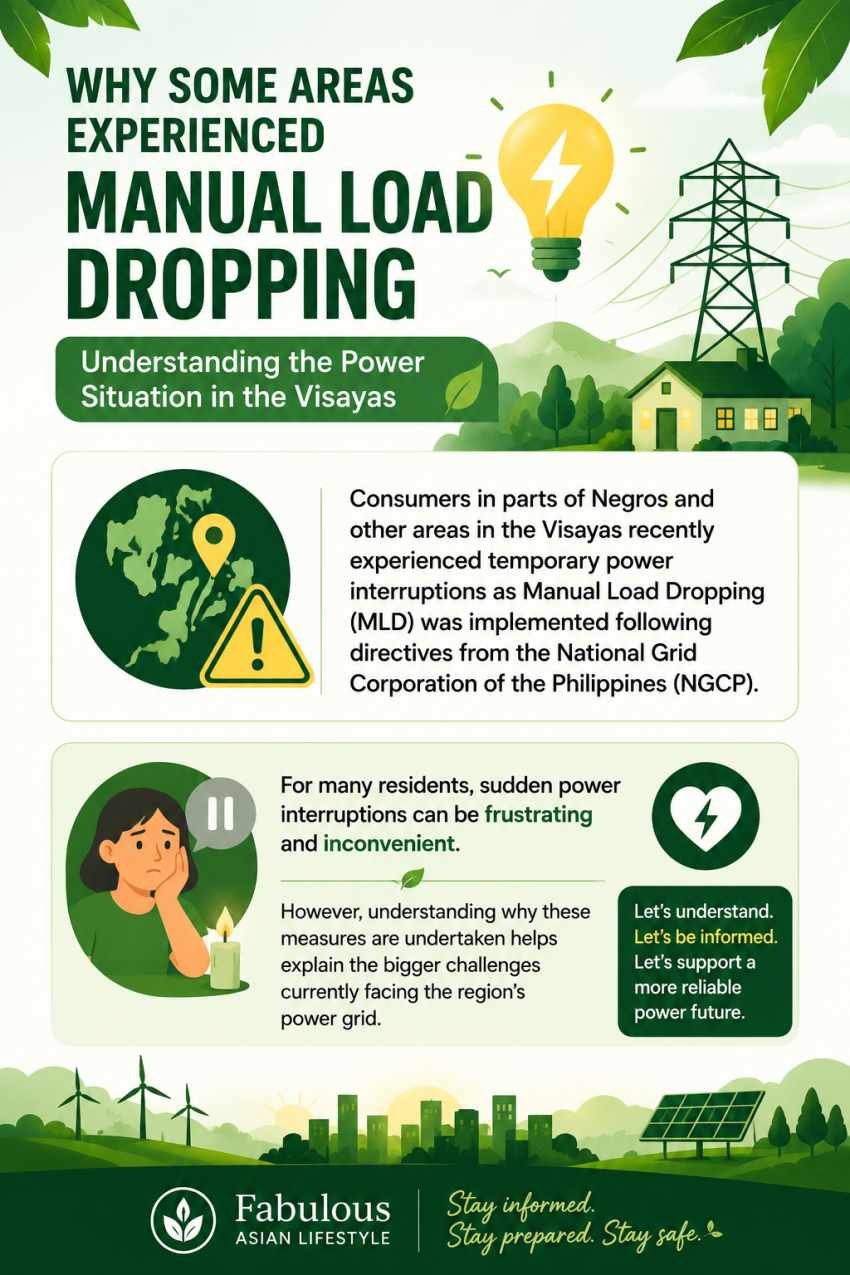
As reserves tightened, the National Grid Corporation of the Philippines (NGCP) issued Yellow Alerts and Red Alerts in parts of the Luzon and Visayas grids.
In simple terms, the grid was operating under pressure due to limited available power supply.
Adding to the challenge were rising fuel prices in the global market, which increased the cost of power purchased from generation companies that rely on fuel-based power plants.
According to Negros Power, these higher generation costs were passed through the billing system and ultimately affected electricity rates throughout the region.
The company also clarified that generation charges are considered pass-through costs. These payments go directly to power suppliers and generating companies and do not form part of the distribution utility’s revenues.
Understanding these factors does not make higher electricity bills easier to accept. However, it helps explain that the increase was influenced by broader energy market conditions rather than by a single decision of one utility provider.
What Can Consumers Do?
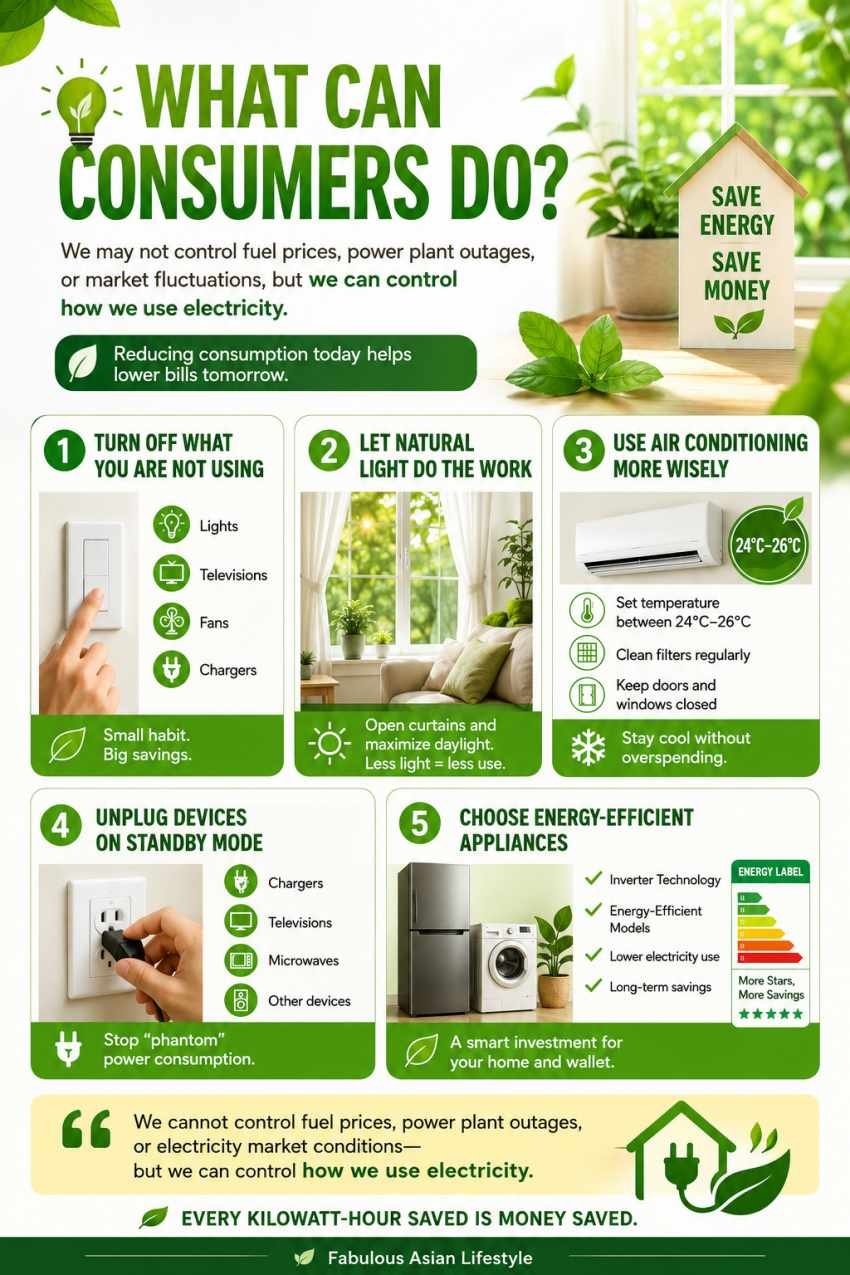
The reality is that consumers have very little control over fuel prices, power plant outages, electricity demand, or market fluctuations.
What we can control is how efficiently we use electricity.
In fact, reducing consumption may be one of the most practical ways to cushion ourselves against future increases.
1. Turn Off What You Are Not Using
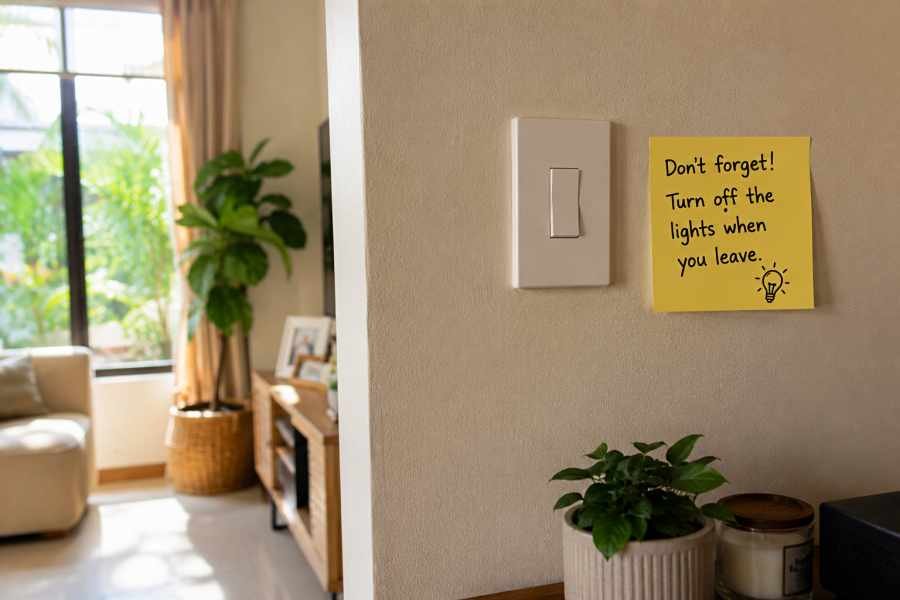
Lights, televisions, fans, and chargers continue to consume electricity when left running unnecessarily. A simple habit of switching them off can produce noticeable savings over time.
2. Let Natural Light Do the Work
Open curtains and maximize daylight whenever possible. Every hour that lights remain off contributes to lower electricity consumption.
3. Use Air Conditioning More Wisely
Air conditioners are among the largest consumers of electricity in most households. Setting the temperature between 24°C and 26°C and cleaning filters regularly can improve efficiency and reduce operating costs.
4. Unplug Devices on Standby Mode
Many appliances continue drawing electricity even when turned off. Chargers, televisions, microwaves, and other devices quietly consume power through standby mode.
5. Choose Energy-Efficient Appliances
When replacing appliances, consider inverter-type and energy-efficient models. While they may cost more initially, they often generate significant savings in the long run.
My Perspective | Electricity Rates
One thing I appreciated from Negros Power’s briefing was the effort to explain the reasons behind the increase rather than simply announcing new rates.
As consumers, we have every right to be concerned when electricity costs rise. But I also believe that understanding the “why” behind the increase is important.
When people lack information, frustration often turns into blame.
Yet the June increase appears to be the result of a combination of factors affecting the entire energy sector: power supply limitations, plant outages, rising fuel prices, and higher spot market costs.
These are challenges that extend beyond any single utility company.
This experience also reminds us that conversations about energy security, additional power generation, renewable energy investments, and long-term infrastructure development are not merely industry discussions. They eventually affect every household, every business, and every consumer.
While many of these issues are beyond our control, how we use electricity remains firmly within our hands.
Perhaps one of the best responses to rising power costs is not simply to complain about them but to become smarter and more efficient energy users.
After all, every kilowatt-hour saved is one less kilowatt-hour that we have to pay for.
More Stories
- Country of Origin Effect: Why Filipino Consumers Prefer Korean, Japanese, and American Brands
- Before Your June Electric Bill Arrives: 14 Questions Consumers Are Asking
- REDSON CONSTRUCTION Builds More Than Structures—It Builds Leaders
- RULES AFTER 60 What Matters Most Changes
- Shein and Temu: Rethinking Global Marketing
- mWell Wearables and My Health Journey
- World Ocean Day in Bago City: Negros Power Plants Mangroves
- Negros Power Helps Create Safer Classrooms in 23 Schools
- Asian Alcohol Corporation Reconnects Through Teamwork