
Table of Contents
Negros Occidental Sends ₱2 Million Aid to Earthquake-Hit Sarangani
When disaster strikes, help can travel beyond borders. Negros Occidental has extended ₱2 million in financial assistance to Sarangani Province, supporting communities still recovering from the devastating magnitude 7.8 earthquake that struck Mindanao on June 8, 2026.
The assistance reflects more than financial support. It represents bayanihan, interprovincial cooperation, and a shared commitment to helping communities rebuild after disaster.
₱2 Million Assistance for Sarangani
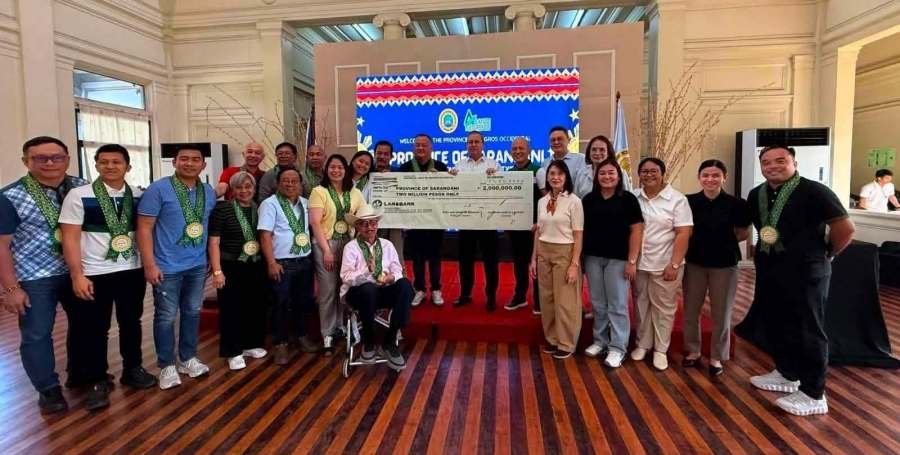
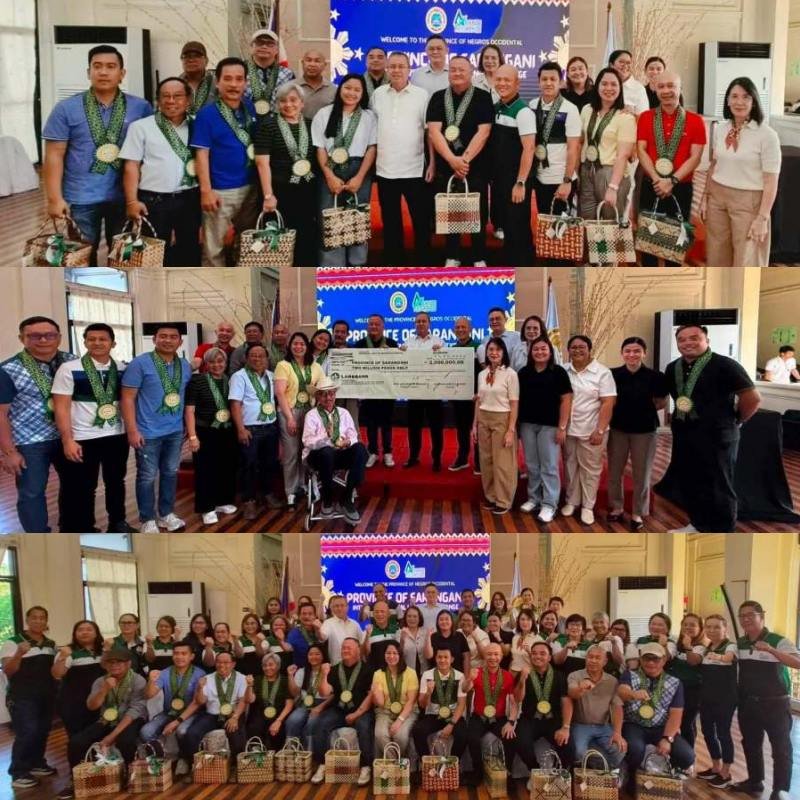
The ₱2-million donation was formally turned over to Sarangani officials during an intergovernmental learning exchange held at the Capitol Social Hall in Bacolod City.
The turnover was led by Negros Occidental Vice Governor Jose Benito Alonso, who is currently serving as acting governor, and received by Sarangani Vice Governor Danny Martinez.
The financial assistance is intended to support Sarangani’s continuing recovery from the earthquake and its widespread impact on communities in the province.

A Partnership Beyond Provincial Borders
The visit of Sarangani representatives to Negros Occidental was not limited to the turnover of financial assistance.
It also became an opportunity for both provinces to exchange experiences, share government practices, and discuss ways to strengthen disaster response and recovery.
Negros Occidental Provincial Administrator Atty. Rayfrando Diaz II assured the Sarangani delegation that the province remains a reliable partner during difficult times.
The exchange also featured presentations on Negros Occidental’s practices in local legislation, economic enterprise, tourism, disaster preparedness, and environmental protection.
Remembering the June 8 Earthquake
The assistance comes after a magnitude 7.8 earthquake struck southern Mindanao on June 8, 2026, causing significant damage across Sarangani and nearby areas.
The Philippine government reported extensive impacts on communities, infrastructure, and essential services. President Ferdinand Marcos Jr. later visited Sarangani and other affected areas as recovery and rehabilitation efforts continued.
The earthquake also disrupted power infrastructure in affected areas. Energy authorities and utilities subsequently worked to restore electricity and other essential services.

From Assistance to Long-Term Recovery
Financial assistance is particularly important during the recovery phase, when communities begin moving beyond immediate relief toward rebuilding homes, livelihoods, public facilities, and local services.
For Negros Occidental, the ₱2-million assistance demonstrates that disaster response does not have to end when the immediate emergency is over.
It can become part of a longer partnership focused on recovery, resilience, and rebuilding.
Government and Private Sector Working Together
The initiative also highlights the value of collaboration between government and the private sector.
Organizations and companies can help connect communities, mobilize resources, and create opportunities for assistance to reach areas where it is most needed.
Such partnerships demonstrate how collective action can strengthen disaster response and complement government-led recovery programs.
Negros Occidental’s Spirit of Bayanihan
For Negros Occidental, helping Sarangani is also a reflection of the Filipino spirit of bayanihan.
The two provinces may be geographically distant, but disasters have a way of reminding communities that solidarity should have no boundaries.
The ₱2-million assistance is therefore more than a donation. It is a message that Sarangani does not have to face recovery alone.
A Shared Commitment to Help
Negros Occidental’s assistance to Sarangani adds another example of how local governments can support one another during times of crisis.
It shows that meaningful disaster response can involve more than emergency operations. It can include financial assistance, knowledge sharing, institutional partnerships, and long-term cooperation.
As Sarangani continues its recovery from the June earthquake, the support from Negros Occidental stands as a reminder that rebuilding becomes stronger when communities and institutions work together.
In times of disaster, bayanihan is not defined by distance. It is defined by the willingness to help.
More Stories
- August 2026 Electricity Rates Rise: Negros Power Residential Rate Reaches ₱14.2787/kWh
- Negros Power Marks 2nd Year with Environmental Cleanup Drive in Murcia
- Negros Power Celebrates 2nd Anniversary with Blood Donation Drive That Saves Lives
- Katrina Llegado Wins Miss Supranational 2026
- Proposed Electricity Cost Reduction Gains Negros Power’s Full Support
- STI WNU Graduate School Induction Celebrates New Student Leaders in Silay City
- Why Did Your Negros Power Bill Deposit Change? | Negros Power
- Tycoon Talk Series: How Dean Mima Villanueva Turned an Idea into a Lasting Institution
- Negros Power July 2026 Rates: Why Electricity Bills Are Slightly Higher
- Visayas Power Forum Explains Grid Reliability, Electricity Price Outlook | Negros Power
- Coron Palawan Travel: Beyond the Itinerary
- Bago City Honors Negros Power for Typhoon Tino Recovery
- Keto Avocado Dessert with Raspberries & Cranberries











Negros Occidental’s P2M aid to Sarangani after the earthquake shows ethical leadership as government CSR. It shows compassion and bayanihan by helping fellow Filipinos, accountability through a formal transparent turnover by Acting Gov. Alonso, and stakeholder responsibility by partnering with Negros Power and other LGUs. Leaders should use public funds with honesty, fairness, and solidarity for the common good.
The response of Negros Occidental to the Sarangani earthquake demonstrates ethical leadership and Corporate Social Responsibility (CSR) through compassion, accountability, and the Filipino spirit of bayanihan. By providing financial assistance to help affected communities recover, the province shows concern for people beyond its own borders. It also highlights the importance of stakeholder responsibility because leaders must consider the needs of disaster victims and work with other communities and organizations. For me, leaders should use public resources with fairness, transparency, accountability, and genuine concern for those who need help the most. This reminds me that true leadership is not only about managing resources but also about serving people and helping them recover during difficult times.
Sarangani Aid-Negros Occidental’s P2M aid to earthquake-hit Sarangani, facilitated with Negros Power/Primelectric/Ignite, shows ethical leadership through compassion, accountability, and bayanihan, where public resources are used transparently and equitably to help fellow Filipinos in crisis.
Corporate social responsibility it secure systems of both parties to meet the goal safer and be more components in fuery ways.
Negros Occidental shows ethical leadership and CSR by helping Sarangani after the earthquake and taking responsibility to support communities in need. The ₱2 million assistance shows compassion and bayanihan, while the cooperation between the provinces shows responsibility toward their stakeholders. Leaders should use public resources fairly, responsibly, and transparently, making sure they are used for the needs of the people, especially during a crisis.
The response shows ethical leadership and CSR because Negros Occidental provided ₱2 million in aid to earthquake victims. It shows compassion, bayanihan, and responsibility by helping people in need during a crisis.
The response shows ethical leadership through compassion, accountability, stakeholder responsibility, and bayanihan. Leaders should use public resources based on fairness, transparency, urgency, and the needs of affected people.
Negros Occidental’s response shows ethical leadership and CSR through compassion, accountability, and responsibility toward people affected by the earthquake. The ₱2-million assistance and cooperation with Sarangani reflect bayanihan and the responsible use of public resources to support recovery. Leaders should be guided by transparency, fairness, compassion, accountability, and prioritizing the public’s needs during a crisis.
Negros Occidental showed ethical leadership by giving ₱2 million in financial assistance to help Sarangani recover from the earthquake. � This demonstrates CSR through compassion, accountability, and bayanihan because the support was focused on community recovery and cooperation, not just a simple donation.
negros-occ.gov.ph +1
Negros Occidental shows ethical leadership by helping earthquake victims with compassion, accountability, and bayanihan. Leaders should use public resources fairly, honestly, transparently, and for those most in need.
Negros Occidentals reaction to the Sarangani earthquake shows that ethical leadership and corporate social responsibility are connected through kindness taking responsibility caring for people involved and working together. Leaders showed kindness by helping people who were hurt by the disaster. Taking responsibility means using money and resources and making sure help gets to the people who really need it. Caring for people involved means working with government groups, local people, groups and companies. The idea of working shows how people joining together can give quicker and better help when there is a problem.
When using money that belongs to the public leaders should be guided by actions, fairness taking responsibility being honest only using what is needed and thinking about what is best, for everyone. Money and help should be given based on needs not because of favor or personal gain and decisions should be written down and told to the people.
2. The response of Negros Occidental to the earthquake in Sarangani demonstrates the relationship between ethical leadership and CSR through compassion, accountability, stakeholder responsibility, and bayanihan. Negros Occidental provided ₱2 million in financial assistance to Sarangani after the magnitude 7.8 earthquake and also participated in an exchange of knowledge about disaster response and recovery.
This shows accountability and stakeholder responsibility because leaders used available resources to respond to the needs of people affected by the disaster. It also shows bayanihan because one province extended help to another province during a difficult situation. The involvement of government officials and private-sector organizations also demonstrates the importance of cooperation during a crisis.
When deciding how to use public resources during a disaster, leaders should be guided by fairness, transparency, compassion, responsibility, and the actual needs of affected communities. They should make sure that assistance is used properly and reaches the people who need it most. In this way, ethical leadership and CSR can contribute not only to immediate relief but also to long-term recovery
Negros Occidental’s response to the Sarangani earthquake shows ethical leadership and CSR through compassion, accountability, and the bayanihan spirit that unites people across distances. It acts responsibly toward all stakeholders by sharing both resources and knowledge to help communities recover and become stronger in the long run. Leaders should guide public resources during a crisis with fairness, honesty, and empathy — always prioritizing human dignity and collective well-being above all else.
Negros Occidental showed compassion by giving ₱2 million to help Sarangani recover from the earthquake. They showed Accountability by properly managing and turning over public funds, and Stakeholder Responsibility by working with local officials and sharing knowledge to improve recovery efforts. Their action also reflects bayanihan, proving that no matter how far or distance, we will stand together during crisis to help each other. Leaders should always prioritize people’s needs, use resources honestly, act with transparency, and support long-term recovery when deciding how to use public funds during difficult times.
Negros Occidental’s help during the Sarangani earthquake shows good leadership and CSR because they cared for the victims, used resources properly, and worked together with others. It shows bayanihan through unity and helping one another. Leaders should use public resources with honesty, fairness, and responsibility to make sure the help goes to the people who need it.
Jovy A. Villanueva BSBA FM 3-B
Negros Occidental’s ₱2-million aid to earthquake-hit Sarangani illustrates how ethical leadership and Corporate Social Responsibility converge in governance, as leaders acted with compassion by prioritizing human welfare beyond their own province, upheld accountability through transparent turnover of funds, embraced stakeholder responsibility by recognizing that disaster recovery is a shared duty across communities, and embodied the Filipino spirit of bayanihan by fostering solidarity without borders; guiding such decisions are ethical principles of justice in fair aid distribution, beneficence in promoting welfare, transparency in resource use, stewardship in safeguarding public funds, and solidarity in recognizing interconnectedness, all of which ensure that public resources during crises are used ethically to strengthen resilience and recovery.
Negros Occidental’s aid shows ethical leadership & CSR through cross-border compassion, accountable transparency, shared partnership, and bayanihan. Leaders must guide public funds with fairness, honesty, true need, and lasting good honoring public trust above all.
Negros Occidental’s response shows ethical leadership and CSR by helping Sarangani with compassion and taking responsibility for supporting people affected by the earthquake. It also shows bayanihan because different provinces and stakeholders worked together during a crisis. Leaders should use public resources based on fairness, transparency, accountability, and the actual needs of affected communities, making sure the assistance is used properly and benefits those who need it most.
The response of Negros Occidental to the Sarangani earthquake demonstrates ethical leadership through compassion, responsibility, accountability, and bayanihan. The leaders showed moral responsibility by using public resources to help people affected by the crisis and by recognizing their responsibility toward stakeholders. Based on the module, leaders should be guided by integrity, fairness, honesty, justice, transparency, and responsibility when making decisions, especially when using public resources.
Negros Occidental’s assistance to Sarangani after the earthquake shows how ethical leadership and CSR are connected through compassion, accountability, and the spirit of bayanihan. By giving ₱2 million in aid, the province demonstrated concern for affected communities and its responsibility to help during times of crisis. The cooperation among government officials and other stakeholders also shows how teamwork can support disaster recovery.
When managing public resources during a crisis, leaders should practice transparency, fairness, accountability, compassion, and prioritization of public welfare. They should make sure that resources are handled properly, given to those who need them, and used for the benefit of the community.
2. Negros Occidental showed ethical leadership by helping earthquake victims. It showed compassion, teamwork, and responsibility to the affected communities. Public funds should be used wisely and fairly to provide proper assistance.
Negros Occidental’s response to the Sarangani earthquake demonstrates the relationship between ethical leadership and CSR through compassion, accountability, and bayanihan. By providing ₱2 million in assistance, the province showed concern for affected communities and fulfilled its responsibility to support those in need. The partnership between government officials and stakeholders also highlights the importance of cooperation in disaster recovery.
When using public resources during a crisis, leaders should follow transparency, fairness, accountability, compassion, and prioritizing public welfare. They must ensure that funds are used responsibly, reach those who need them most, and benefit the community.
The response of Negros Occidental shows ethical leadership and CSR through compassion, accountability, stakeholder responsibility, and bayanihan. The ₱2-million assistance helps Sarangani recover from the earthquake, while cooperation between the two provinces strengthens disaster response. Leaders should use public resources with transparency, fairness, accountability, and genuine concern for affected communities.
For me, Negros Occidental’s response shows that ethical leadership means using your position and resources to help people who are going through a difficult time. The ₱2 million assistance shows compassion, while the cooperation between the two provinces reflects accountability and responsibility toward others. It also shows bayanihan because even though Sarangani is far from Negros Occidental, they still chose to help. I believe leaders should make decisions based on fairness, transparency, genuine need, and the welfare of the people. Public resources should be used responsibly and for purposes that can truly help communities, especially during a crisis. For me, the most meaningful part is knowing that the help was not just about money, but also about standing with people while they rebuild their lives.
For me, Negros Occidental’s response to the Sarangani earthquake shows that ethical leadership is not only about managing a province but also about caring for people who are in need, even outside their own community. The ₱2 million assistance shows compassion and a sense of responsibility because they chose to help people who were affected by a disaster. I also see CSR in the way they worked with Sarangani officials and shared knowledge about disaster preparedness and recovery. This reflects bayanihan because different communities and government leaders came together instead of dealing with the problem alone.
When leaders decide how to use public resources during a crisis, I believe they should always think about fairness, transparency, accountability, and the actual needs of the people. They should make sure that the money is used properly and reaches those who need it most, rather than being influenced by personal interests. For me, a good leader should be willing to explain and take responsibility for every decision made using public funds, especially during a difficult situation.
I believe Negros Occidental’s response shows ethical leadership through compassion and concern for people affected by the earthquake. I see the ₱2-million aid as a form of stakeholder responsibility because it helps communities beyond the province. I also see it as an example of bayanihan, where people and institutions support one another during difficult times. I believe leaders should use public resources responsibly, transparently, and fairly. They should prioritize urgent needs and public welfare. I also think leaders must be accountable for how funds are distributed and used. Decisions should be based on genuine needs rather than personal interests. Leaders should also coordinate with affected communities and proper institutions. For me, ethical leadership means using public resources to provide meaningful and fair assistance. Overall, the response shows how compassion, accountability, and cooperation can strengthen disaster recovery.
The Negros Occidental leadership demonstrated ethical CSR by extending prompt financial aid and inter-LGU bayanihan to Sarangani beyond their geographic mandate, fulfilling their broader stakeholder responsibility with compassion and transparent accountability—a decision guided ethically by stewardship, utilitarian need, and prudence to relieve human suffering without compromising local emergency reserves.
Answer:
Negros Occidental’s response demonstrates ethical leadership and CSR by putting compassion into action through ₱2 million in assistance to earthquake-hit Sarangani, while also sharing disaster-response practices and building interprovincial cooperation. This reflects stakeholder responsibility because leaders recognized their responsibility to help communities affected by a major crisis, while the spirit of bayanihan emphasizes solidarity and collective action.
When using public resources during a crisis, leaders should be guided by transparency, accountability, fairness, compassion, public interest, and responsible stewardship. Decisions should be based on genuine needs, follow proper procedures, and ensure that public funds are used effectively for the people affected—not for personal or political interests.
Negros Occidental donates ₱2 Million to aid Sarangani Province after an intense 7.8 magnitude earthquake that strikes Mindanao on June 8, 2026. This disaster response made by Negros Occidental helps the community in Sarangani in rebuilding homes, public facilities, energy sources and local services. The ₱2 Million not only functions as financial assistance for natural disasters but also serves as a chance to share knowledge, institutional partnerships, bayanihan and long-term cooperations. In terms of using public resources, leaders must speak honestly on how and where the money will go; making sure that the extended money will surely go on rightful needs. Leaders must keep their promises in wanting to help other communities in terms of natural disasters. And lastly, leaders must protect organizational values by NOT keeping public resources into their own pockets.
The response of the Negros Occidental to the Sarangani earthquake is a manifestation of the ethics of management and Corporate Social Responsibility (CSR) since it shows that the leaders are concerned about the welfare of the affected people. Ethical leadership entails the obligation of leaders to stand by and respond to calls for help during a crisis based on compassion, social justice, and commitment. The leaders are expected to show concern and compassion towards the victims of the disaster as well as accept responsibility for their welfare.
Negros Occidental’s assistance to earthquake victims in Sarangani shows ethical leadership through compassion and responsibility. By providing financial aid, the province demonstrated concern for communities affected by the disaster. Leaders should use public resources fairly, transparently, and for the benefit of those who need help the most. This action reflects bayanihan and the importance of helping others during difficult times.
The response of Negros Occidental to the Sarangani earthquake demonstrates the connection between ethical leadership and CSR through compassion, accountability, stakeholder responsibility, and bayanihan. By providing ₱2 million in assistance, the province showed compassion toward communities affected by the disaster. The cooperation between Negros Occidental and Sarangani also reflects stakeholder responsibility because government institutions have a role in supporting people and communities during times of crisis. The exchange of knowledge and practices further shows that the assistance was connected to long-term recovery and cooperation, not only immediate relief.
When using public resources during a crisis, leaders should be guided by transparency, accountability, fairness, legality, and the public interest. Public funds should be used only for legitimate public purposes and according to proper laws and procedures. The Local Government Code emphasizes accountability in managing public funds and provides rules for the use of resources during calamities. Therefore, ethical leadership means helping those in need while also ensuring that every public resource is used responsibly and can be properly accounted for.
Based on the response of Negros Occidental to the Sarangani earthquake, the province demonstrates ethical leadership and Corporate Social Responsibility by showing compassion and responsibility toward communities affected by the disaster. The ₱2 million financial assistance shows compassion because it provides support to people who are recovering from the earthquake. It also shows stakeholder responsibility because Negros Occidental worked with Sarangani officials to provide assistance to the affected communities. Moreover, this reflects the spirit of bayanihan, as both provinces cooperate to help communities rebuild after the disaster. When using public resources during a crisis, leaders should be guided by ethical principles such as transparency, accountability, fairness, and prioritizing the needs of the affected people. This means that public resources should be used properly and for the benefit of those who need them most.
Negros Occidental’s response shows ethical leadership and public-sector CSR in clear heartfelt ways. Compassion drives the ₱2 million aid to Sarangani after the devastating magnitude 7.8 earthquake on June 8 2026 choosing to reach across borders because people in crisis deserve help. Accountability shines through the formal transparent turnover led by Vice Governor and Acting Governor Jose Benito Alonso and received by Sarangani Vice Governor Danny Martinez held openly at the Bacolod Capitol Social Hall. Stakeholder responsibility goes far beyond funds as both sides shared practices in disaster preparedness legislation and economic management building a lasting partnership not just a one-time gift. All of this lives out bayanihan the Filipino spirit of communal unity proving solidarity knows no distance and Sarangani does not have to face recovery alone.
Leaders using public resources during crisis should follow these ethical principles put public interest above all else maintain full transparency so people see how funds are applied ensure fairness directing help where it is needed without favoritism stay accountable by explaining and standing behind every decision and practice stewardship using every peso wisely to build lasting recovery and true resilience not just temporary relief.
Negros Occidental’s response shows ethical leadership by putting compassion and public responsibility into action through ₱2 million in assistance for Sarangani’s earthquake recovery. It also reflects stakeholder responsibility and bayanihan because the two provinces worked together, shared knowledge, and supported long-term recovery beyond immediate relief.
When using public resources during a crisis, leaders should be guided by compassion, transparency, accountability, fairness, and public interest. They should ensure that funds are used responsibly, reach the people who need them, and genuinely contribute to recovery and community welfare.
Negros Occidental’s ₱2 million assistance to earthquake-hit Sarangani shows how ethical leadership and CSR are connected. It demonstrates compassion by helping people in need, accountability through responsible use of public resources, and stakeholder responsibility through cooperation with other groups. It also reflects bayanihan, as different communities worked together during a crisis.
Leaders should use public resources based on fairness, transparency, accountability, compassion, and public interest. They must ensure that assistance reaches those who need it most and is used responsibly, without personal or political interests influencing their decisions.
The response of Negros Occidental to the Sarangani earthquake demonstrates ethical leadership by showing compassion and concern for people affected by the disaster. Providing aid reflects Corporate Social Responsibility because it prioritizes the welfare of communities in need. Leaders should use public resources responsibly, fairly, and transparently while remaining accountable to the people. The spirit of bayanihan also plays an important role because it encourages unity, cooperation, and helping one another during times of crisis.
Negros Occidental demonstrated ethical leadership and CSR by providing ₱2 million in financial assistance to Sarangani after the magnitude 7.8 earthquake. It also shared its knowledge and best practices in disaster preparedness, governance, economic development, and environmental protection, showing compassion, responsibility, and bayanihan.
Negros Occidental shows ethical leadership and CSR by helping the people of Sarangani through ₱2 million in earthquake aid. This shows compassion, responsibility, and bayanihan because they are willing to help communities in need. Leaders should use public resources with honesty, fairness, and transparency, making sure that the assistance reaches the people who need it most.
Negros Occidental’s ₱2 million assistance to Sarangani after the earthquake shows how ethical leadership and Corporate Social Responsibility can help communities in times of crisis. The response demonstrated compassion and *bayanihan* by helping people outside the province who were affected by the disaster. It also showed stakeholder responsibility because the leaders recognized that public service includes supporting other communities in need.
The formal turnover of the funds reflects accountability and proper use of public resources. Leaders should make sure that aid is given fairly, used for its intended purpose, and reported transparently. When using public funds during a crisis, they must consider compassion, fairness, honesty, and the welfare of the people. This response shows that ethical leadership is not only about managing resources, but also about using them responsibly to help communities recover.
Negros Occidental’s response to the Sarangani earthquake shows that ethical leadership and CSR are connected through compassion, accountability, and responsibility to stakeholders. By helping affected communities, leaders demonstrate that their responsibility goes beyond their own organizations and includes the welfare of people in need. The spirit of bayanihan also shows how government, businesses, and communities can work together during a crisis.
When using public resources, leaders should be guided by fairness, transparency, accountability, compassion, and the common good. Resources should be given based on actual needs, without favoritism or personal interest, especially when people’s safety and survival are at stake.
The response of Negros Occidental to the Sarangani earthquake shows the connection between ethical leadership and CSR through compassion, accountability, stakeholder responsibility, and bayanihan. The ₱2-million assistance shows concern for communities affected by the disaster, while the partnership between the two provinces demonstrates responsibility toward stakeholders beyond their own local area. The sharing of knowledge and disaster-response practices also shows that the response goes beyond financial aid. In using public resources during a crisis, leaders should be guided by transparency, accountability, fairness, compassion, proper use of funds, and the needs of the affected communities.
The response of Negros Occidental to the Sarangani earthquake shows that CSR also applies to public leadership, because leaders have a responsibility to protect and serve communities during crises. Through compassion, accountability, stakeholder responsibility, and bayanihan, leaders can ensure that assistance reaches those who need it most. Ethical public leaders should manage public resources with fairness, transparency, accountability, and urgency, putting the welfare of affected citizens above personal or political interests.
For me, Negros Occidental’s ₱2-million help to Sarangani shows good leadership and CSR because they helped people affected by the earthquake. It shows care because they thought about the needs of the people who were affected. It also shows responsibility because they used public money to help with recovery and rebuilding. The government and private groups working together also show bayanihan, where people help each other during hard times.
When leaders use public money during a crisis, they should be honest, fair, and responsible. They should make sure the money is used for the right reason and given to the people who need it. Leaders should always think about the people’s needs first and never use public money for themselves.
Negros Occidental demonstrated ethical leadership and corporate social responsibility by extending ₱2 million in financial assistance to help Sarangani recover from a devastating earthquake. This action reflects compassion and stakeholder responsibility by looking beyond local borders to help another community rebuild homes, livelihoods, and essential services. It highlights true bayanihan through interprovincial cooperation, knowledge sharing, and private-sector collaboration to strengthen long-term disaster recovery. When deciding how to use public resources in a crisis, leaders should be guided by accountability, transparency, stewardship, and solidarity to ensure funds directly aid affected communities. Ultimately, ethical leaders use public resources to build resilient partnerships and support long-term recovery rather than just providing temporary relief.
The response of Negros Occidental to the Sarangani earthquake shows ethical leadership and CSR because they provided ₱2 million in assistance to help people affected by the disaster. It shows compassion and bayanihan because they were willing to help another community during a difficult situation. For me, leaders should use public resources responsibly, make sure the help reaches those who really need it, and be transparent and fair when making decisions during a crisis.
“So proud of Negros Occidental! 💛 Helping our fellow Filipinos in need shows true kindness and bayanihan. May this aid reach everyone who needs it, and hope Sarangani recovers fully soon. God bless you all! 🙏”
Negros Occidental’s ₱2-million aid to earthquake-hit Sarangani demonstrates ethical leadership through compassion, accountability, and the spirit of bayanihan. It reflects CSR by promoting solidarity, responsible use of public resources, transparency, and support for affected communities. Leaders should use public resources with integrity, build trust through transparency and fairness, and take responsibility for ensuring that the assistance reaches those most affected by the crisis.
This is a meaningful example of bayanihan and solidarity among Filipino communities. The ₱2 million assistance from Negros Occidental to earthquake-hit Sarangani shows that support goes beyond financial aid—it also reflects compassion, cooperation, and a shared commitment to helping communities recover and rebuild.
Negros Occidental’s response links ethical leadership and CSR clearly. They showed compassion by putting people first, accountability through transparent use of resources, stakeholder responsibility by working together with locals, and bayanihan by uniting everyone to help. When using public funds in a crisis, leaders must be fair, honest, and focused only on what the people truly need. No delays, no favoritism, resources belong to the public, so they should be spent openly, properly, and for their benefit alone.
Negros Occidental displayed ethical leadership in providing assistance to the earthquake victims by acting compassionately, cool-headedly, and collaboratively. It also illustrated CSR principles in being accountable for the needs of affected stakeholders. A good leader will utilize funds from the public sparingly, justly, and responsibly at these critical moments.
Negros Occidental showed compassion and bayanihan by providing aid to earthquake victims. Leaders should use public funds fairly, responsibly, and transparently during a crisis
Negros Occidental’s response to the Sarangani earthquake shows how ethical leadership and CSR work together. First, compassion guided them by sending ₱2 million to a province far away proved they care beyond their own people. Second, accountability by using funds properly and transparently, making sure the money truly reached those who needed it most. Third, stakeholder responsibility because they recognized they serve all Filipinos, so they reached out instead of keeping help only for themselves. Fourth, bayanihan because they showed solidarity has no borders and no one should face disaster alone. They did not just give money; they also shared knowledge and best practices, turning one-time aid into a lasting partnership. When leaders use public resources during a crisis, they should be guided by transparency so everyone knows where funds go, fairness so help reaches those who need it most, integrity so no one takes advantage, and responsibility — always putting people’s welfare before anything else.
Negros Occidental’s ₱2-million assistance to sarangani after the earthquake magnitude 7.8 it shows exactly how ethical leadership and genuine social responsibility go hand in hand. The province did not just follow protocol, it reached out from the heart, choosing to support communities far away that were still picking up the pieces after the magnitude 7.8 quake on June 8, 2026. This is compassion in action proving that good leadership cares as much about people’s well-being as it does about official duties.
Accountability shines through the clear, formal turnover of funds, led by Acting Governor Vice Governor Jose Benito Alonso and received by Sarangani Vice Governor Danny Martinez. Every step was open and proper, making sure public money went exactly where it was needed toward recovery. Beyond just giving cash, Negros Occidental shared valuable lessons on disaster readiness, lawmaking, and public management proving real responsibility means giving not just funds, but also knowledge and support that last.
This effort also shows true responsibility toward all stakeholders. It brought different levels of government together and invited the private sector to help, recognizing that no one group can rebuild alone. Everyone has a part to play. This is bayanihan at its finest the Filipino spirit of helping one another reminding us that solidarity does not stop at provincial lines. This was never just a one-time gift; it was the start of a lasting partnership built on trust and shared progress.
When leaders spend public money during a crisis, they must stand by clear values. They must be transparent about where funds go, fair in reaching those who need help most, honest in using resources only for their true purpose, focused on long-term recovery rather than quick publicity, and committed to serving every Filipino who is suffering. At the end of the day, ethical leadership means standing together when it matters most because in the true spirit of bayanihan, no one walks through hard times alone.
2. How does the response of Negros Occidental to the Sarangani earthquake demonstrate the relationship between ethical leadership and Corporate Social Responsibility (CSR), particularly in terms of compassion, accountability, stakeholder responsibility, and bayanihan-and what ethical principles should guide leaders when deciding how to use public resources during a crisis?
For me, the response of Negros Occidental to the Sarangani earthquake shows that ethical
leadership and CSR are connected because leaders have a responsibility to care for and help people, especially during difficult times. By helping the affected communities and working together with different groups, they showed compassion, accountability, and bayanihan. It also shows that CSR is not only about businesses helping communities but also about leaders taking responsibility for the welfare of the people.
I believe leaders should follow ethical principles such as honesty, fairness, transparency, accountability, and compassion when using public resources during a crisis. These resources should be used properly and given to the people who need them most, without favoritism or personal benefit. For me, a good ethical leader is someone who serves others, makes responsible decisions, and always puts the safety and welfare of the community first.
My answer :
After reading the article, I see that Negros Occidental’s ₱2 million assistance to Sarangani shows how ethical leadership and CSR can help people during a crisis. For me, it shows compassion because they chose to help another province affected by the earthquake. It also shows responsibility because public resources were used to support communities in need.
I also see the Filipino spirit of bayanihan because the two provinces worked together and shared support during a difficult time. I think leaders should use public resources with fairness, transparency, accountability, and compassion. They should make sure that the resources are properly used and reach the people who need them most.
The response of Negros Occidental to the Sarangani earthquake shows CSR because leaders helped people who were affected by the disaster. It shows compassion by caring for those in need, accountability by using resources responsibly, and stakeholder responsibility by working with communities and other groups. The bayanihan spirit is also shown because people worked together to help one another. During a crisis, leaders should use public resources fairly, honestly, and only for the needs of the affected people, without favoritism or corruption.
Negros Occidental demonstrated ethical leadership and CSR by giving ₱2 million in assistance to earthquake-affected Sarangani. This shows compassion, accountability, stakeholder responsibility, and bayanihan. The support also promotes cooperation and long-term recovery, showing that public resources can be used to help communities during times of crisis
Negros Occidental’s ₱2-million aid to earthquake-hit Sarangani shows how ethical leadership supports CSR through compassion, accountability, and bayanihan. The leaders used public resources to help people affected by the disaster, showing responsibility beyond their own province. It also reflects stakeholder responsibility because they responded to the needs of another community during a crisis.
Leaders should use public funds based on fairness, transparency, accountability, compassion, and public need. They must ensure that resources are properly used and reach those who need help most.
Negros Occidental’s response demonstrates the close relationship between CSR and ethical leadership. Leaders demonstrated compassion and a sense of responsibility toward communities in need by providing ₱2 million in aid to Sarangani affected by the earthquake. Because the government and communities collaborated to promote recovery and exchange knowledge, the partnership also reflects accountability and bayanihan. During a crisis, leaders should follow the principles of fairness, transparency, accountability, compassion, and the common good when utilizing public resources. Decisions should be made honestly and responsibly, resources should go where they are most needed, and leaders should ensure that aid actually helps impacted communities.
the response of Negros Occidental to the earthquake in Sarangani shows that ethical leadership and CSR are about helping people when they are most in need. The ₱2 million assistance reflects compassion because the government chose to support communities affected by the disaster. It also shows stakeholder responsibility and bayanihan, because helping another province demonstrates cooperation and solidarity beyond one’s own community.
For me, ethical leaders should use public resources with honesty, fairness, transparency, accountability, and concern for those most affected. They should make sure that assistance is used for its intended purpose and reaches the people who genuinely need it. This shows that CSR and ethical leadership are not only about giving money, but about taking responsibility and working together to help communities recover.
Compassion: Aided Sarangani despite distance, showing care beyond local borders.
Accountability: Public turnover of funds, clear officials in charge transparency in using public resources.
Stakeholder responsibility: Beyond money, shared disaster knowledge and governance practices for long term recovery.
Bayanihan: Solidarity with no boundaries helping because we are one community.
Guiding ethical principles:
1. Public interest comes first
2. Transparency and accountability
3. Fairness and equity
4. Effective, sustainable impact
5. Stewardship public funds are a trust, not a privilege
When using public resources, leaders should follow fairness, honesty, transparency, accountability, and concern for public safety. Resources should go first to those who need them most without favoritism or personal benefit.