
Ethical Leadership, CSR, and Good Governance | Joel and Ina Gaston of Hacienda Crafts
Table of Contents
Ethical Leadership: The Role of Executives in Promoting CSR and Good Governance
My journey through the corporate world, coupled with my experiences in management consultancy and my ventures as an entrepreneur, has offered me a panoramic view of the critical role ethical leadership plays in shaping businesses and society. This multifaceted career path has not only honed my skills but also deepened my conviction in the transformative power of CSR (Corporate Social Responsibility) and good governance, guided by unwavering ethical principles.


Jojo Vito during the shoot for Jessica Soho’s feature on his business.
Understanding Ethical Leadership Through Experience
Having navigated the complex terrains of the corporate world, engaged in consultancy for diverse companies, and grappled with the challenges of entrepreneurship, I’ve witnessed the undeniable impact of leadership decisions. Ethical leadership, to me, is not just a theoretical ideal but a practical foundation for enduring success. It’s about making decisions that are not only right for the business but also beneficial for the community and the environment.
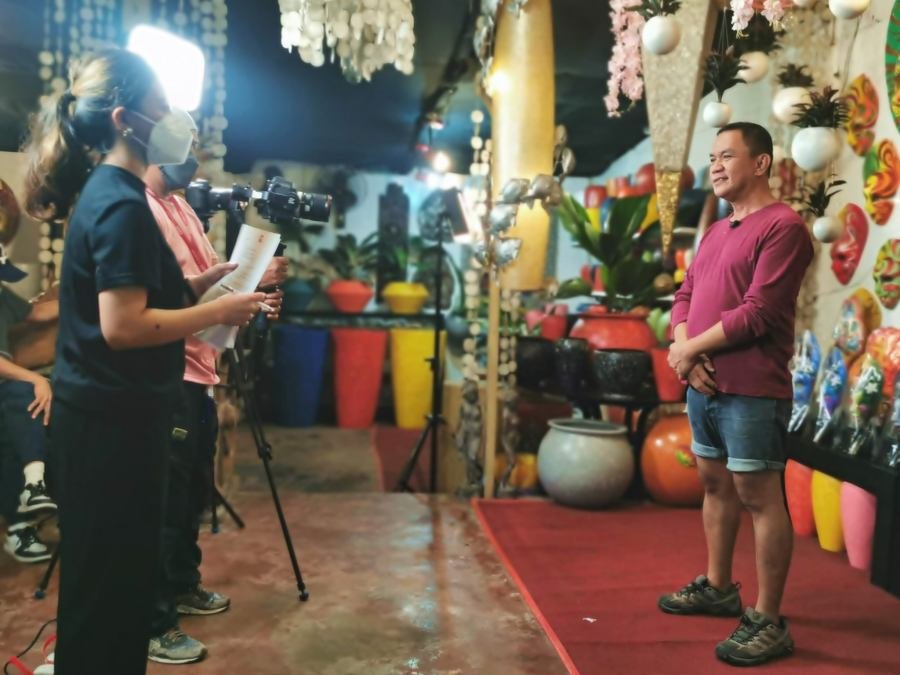
Jojo Vito during the shoot for CNN’s feature on his business.
The Power of Influence: Lessons from the Field [ Ethical Leadership, CSR and Good Governance ]
In my tenure as the former Vice President for Marketing for the Association of Negros Producers, the profound influence that dedicated leaders can exert within their organizations and the broader community became crystal clear. Leadership committed to Corporate Social Responsibility (CSR) not only galvanizes our members but sets into motion a ripple effect that profoundly impacts societal norms and business practices across the region. The association leaders’ relentless pursuit of ethical business practices and community engagement initiatives serves as a vivid demonstration of the transformative power that comes with responsibility and ethical values.

Jojo Vito during the opening of his art exhibit, “Festive Faces,” at Park Inn by Radisson Bacolod.
Our association’s leaders have pioneered initiatives focusing on sustainable development, community empowerment, and environmental stewardship. These efforts reflect the core belief that business success and social responsibility are intertwined, illustrating how localized efforts can significantly advance societal well-being and sustainability. The work underscores a commitment to not just profit, but to making a tangible difference in the lives of community members and the environment.
The responsibility of leadership is immense, carrying with it the power to inspire change and lead by example. The Association of Negros Producers’ initiatives in sustainable agriculture and community development underscore this, showing how principled leadership can foster a culture of ethical integrity and responsibility. As we move forward, the example set by our association’s leaders continues to inspire and guide us, reminding us of the impact we can achieve through dedicated, ethical leadership.


Sea Urchin Lamps by Jojo Vito
CSR as Corporate Culture: A Commitment to Local Empowerment [ Ethical Leadership, CSR and Good Governance ]
For me, as a producer of souvenirs in Negros Occidental, the allure of ordering ready-made items from abroad, particularly China, presents a tempting shortcut. It promises freedom from the daily challenges of production and management. However, the principle of Corporate Social Responsibility (CSR) deeply embedded in our company’s ethos compels us to look beyond convenience. We choose to embrace the complexities of local production not because it’s easier, but because it aligns with our commitment to bolstering local employment and supporting our community’s economy.
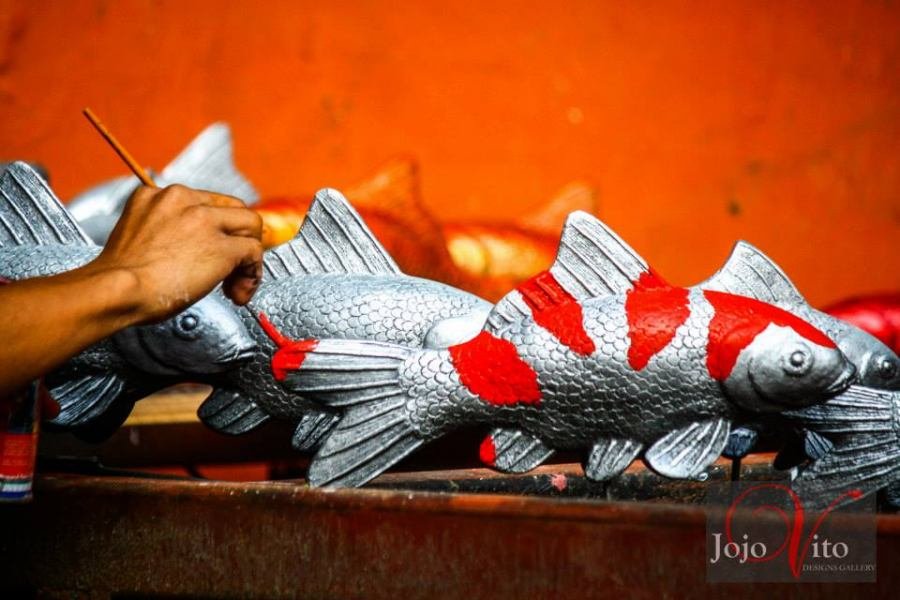
3D Wall Art by Jojo Vito
This decision underscores our broader mission to weave CSR into every aspect of our company’s culture. My experiences as an entrepreneur have taught me that a genuine dedication to social responsibility emanates from the core of our business practices. It’s about more than just making a profit; it’s about creating a positive impact on the community and the environment. By choosing to produce locally, we face the day-to-day hurdles of managing production lines and navigating workforce dynamics. Yet, these challenges are outweighed by the benefits of providing jobs to our local people, fostering a sense of community, and contributing to the economic vitality of Negros Occidental.
Our commitment to CSR is reflected in our approach to sustainable sourcing and community engagement. We prioritize partnerships with local suppliers and actively participate in initiatives that contribute to the well-being of our community. This commitment extends beyond the walls of our business and into the very lives of the people we aim to support. It’s a testament to our belief that businesses can and should play a pivotal role in promoting social good, demonstrating that with persistent effort and alignment of values, companies can make a significant difference in their communities.

Real sea urchin shells made into a giant ball hanging lamp, sourced from the Island of Cebu after Typhoon Yolanda.
Leading by Example: Direct Impact Initiatives Through Community Engagement [ Ethical Leadership, CSR and Good Governance ]
In the wake of Typhoon Yolanda (Haiyan), our response extended beyond immediate relief to embody our deep commitment to sustainable development and community resilience. The devastation prompted us to travel to various communities affected by the typhoon, not just as aid providers but as partners in recovery. We ventured to places like Bantayan Island in Cebu and Sagay in Negros, engaging with the communities by purchasing local materials for our souvenirs. This initiative was not only about sourcing authentically local products but also about providing the typhoon victims with an opportunity for extra income during their recovery period.

This award-winning “Damang” wall decor by Jojo Vito is lighted and made of “Batad shells” from Bantayan Island.
These efforts reflect our broader commitment to leading by example through direct impact initiatives. By making the victims our suppliers, we contributed to long-term rehabilitation and underscored the role of businesses in fostering sustainable development and building community resilience. Our actions demonstrated a belief in the power of community and the importance of supporting one another, especially in times of crisis. This approach to business, rooted in social responsibility and ethical leadership, aims to create a positive ripple effect, encouraging others to consider how they too can make a difference in their communities and beyond.

The aftermath of Typhoon Yolanda reinforced the significance of our commitment to Corporate Social Responsibility (CSR) as more than a theoretical concept but as a practical and impactful avenue for contributing to societal well-being. It highlighted the importance of building strong, supportive relationships with local communities and showcased how, through concerted efforts and compassionate leadership, businesses can play a crucial role in recovery and rebuilding processes. Our journey to Bantayan Island and Sagay wasn’t just about finding suppliers; it was a testament to our dedication to helping communities stand back up, reinforcing our belief in the importance of sustainability, resilience, and mutual support.

Beautiful items by Hacienda Crafts made of buri.
Overcoming Challenges: A Testimony to Resilience and Community Empowerment [ Ethical Leadership, CSR and Good Governance ]
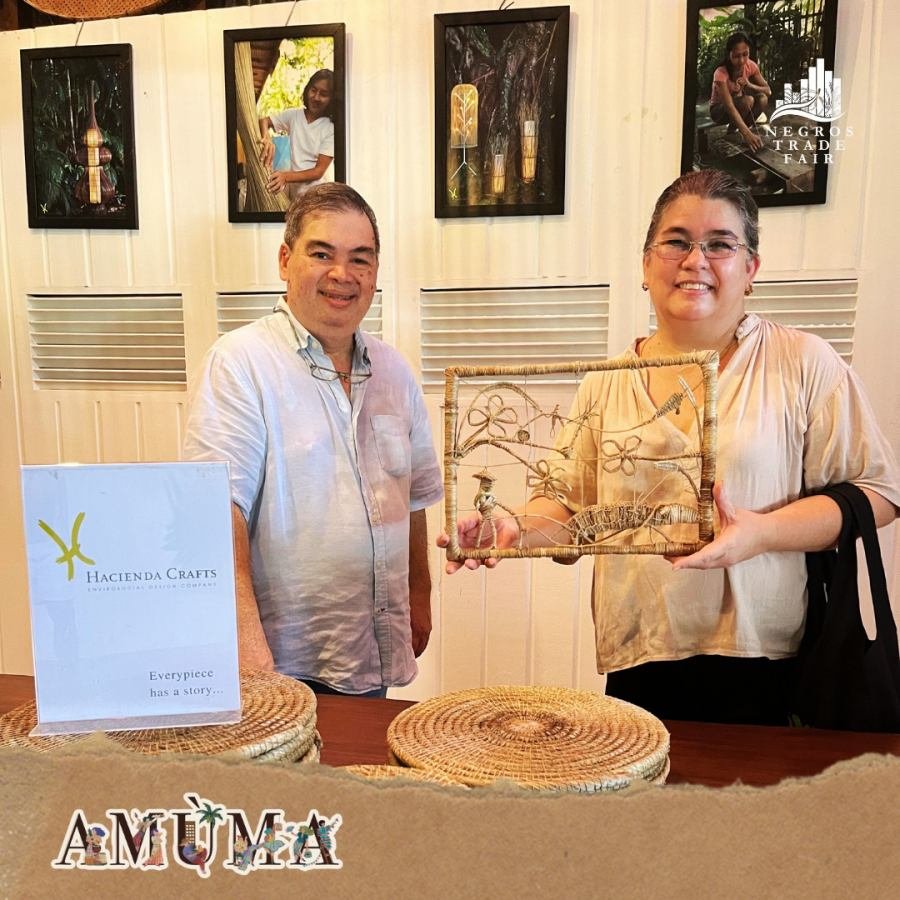
Hacienda Crafts, under the visionary leadership of Joey and Ina Gaston, serves as a prime example of how businesses can drive community development through the integration of Corporate Social Responsibility (CSR) and sustainable practices. By developing communities to craft products using indigenous and sustainable materials, the Gastons have not only provided livelihood opportunities but have also preserved and promoted local craftsmanship. This journey, however, was not without its hurdles. Facing operational challenges and navigating the complexities of sustainable sourcing, Hacienda Crafts’ commitment to ethical practices and community empowerment tested their resilience but ultimately underscored their success as producers and exporters. Their efforts showcase the richness of local culture and the ingenuity of Filipino artisans to the global market, making a profound statement about the value of ethical leadership and community-oriented business models.

Joey and Ina Gaston
The path of promoting CSR and good governance is fraught with challenges, from changing entrenched business mentalities to weaving ethical considerations seamlessly into every facet of a company’s operations. My own experiences traversing various industries have echoed this narrative of resilience. Facing obstacles head-on and maintaining a steadfast commitment to ethical practices have highlighted the tangible benefits that come with responsible business conduct. Companies like Hacienda Crafts exemplify how adherence to CSR principles does not merely enhance a brand’s image but also fosters a deep sense of loyalty among customers, contributing to sustainable business growth and a positive societal impact.
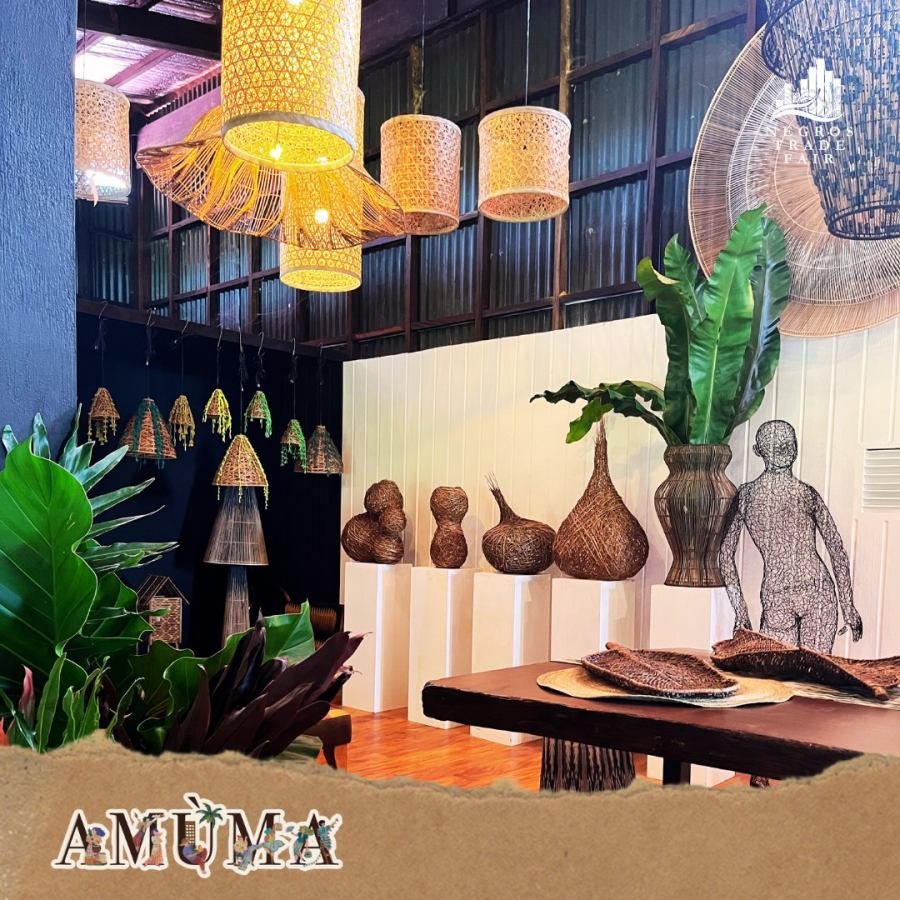
Pieces by Hacienda Crafts. Photos from the Negros Trade Fair
This ethos of resilience and dedication to ethical leadership is crucial in today’s business landscape. It demonstrates that overcoming the challenges associated with implementing CSR and good governance is not just a testament to a company’s endurance but a reflection of its commitment to making a meaningful difference in the world. Hacienda Crafts’ journey from tackling production challenges to becoming a celebrated exporter of culturally rich and sustainable products illustrates the profound impact that businesses can have when they choose to prioritize the welfare of their community and the environment.
Envisioning the Future: A Call to Action
Envisioning a future where ethical leadership and Corporate Social Responsibility (CSR) are the norm requires a concerted effort from all. My journey, intertwined with that of Hacienda Crafts, illustrates the transformative power of ethical business practices. As leaders, our actions today set the stage for future generations. By embracing ethical standards and committing to social and environmental sustainability, we pave the way for a more equitable and prosperous future.
My experiences, alongside those of my colleagues at Hacienda Crafts, highlight the profound impact that businesses can have on shaping a better world. From corporate leadership to entrepreneurship, our paths have converged in a shared commitment to ethical leadership and community empowerment. As we navigate the complexities of integrating CSR into business models, we recognize the challenges ahead. However, these challenges only strengthen our resolve to lead by example and create lasting positive change.
In conclusion, our collective experiences serve as a testament to the necessity of ethical leadership in today’s world. As we continue our journey, guided by the principles of CSR and good governance, we illuminate the path toward a more sustainable and just society. Together, we can create a future where businesses thrive, communities flourish, and the environment prospers.
More Stories
- Online Advertising Strategies, Social Media Advertising: A Guide
- Building a Website for Your Business
- Yam Khang/ Fire Massage, Thai Culture at Ban Rai Kong Khing, Chiang Mai
- Wat Rong Khun/White Temple: Unveiling the Ethereal Beauty of Chiang Rai
- Niludhan Falls in Bayawan, Negros Oriental | Travel Guide
- Hunasan Seafood House, Bacolod City | A Review
- Netong’s Original La Paz Batchoy: A Review
- Managerial Development Course | MRM Group of Companies
- Baga 6100, Bacolod City: Smoked and Grilled Restaurant
- Negros Power Joins Forum on Power Security, Reliability in Negros












1. Jojo Vito Designs Gallery
Yes, I would make the same decision. Although importing products may cost less, making them locally provides jobs, supports Filipino workers, and strengthens the local economy. It also adds value because the products are made by the community.
2. Hacienda Crafts
I would also choose to help the community by creating jobs instead of only giving donations. Providing work allows people to earn a stable income, learn new skills, and become self-reliant while keeping local traditions and craftsmanship alive.
1. Jojo Vito Designs Gallery,
Yes, I would make the same choice to use local production even if importing is cheaper and easier. It can create jobs for local people, support Filipino workers, and help the local economy grow. I believe helping the community is more important than saving money.
2. Hacienda Crafts,
If I were running Hacienda Crafts, I would help the community by creating jobs instead of only giving donations. This gives people a stable source of income and allows them to use and develop their skills. It also helps preserve Filipino culture and traditional craftsmanship.
1. Yes, I would choose local production because it creates jobs, supports local businesses, and helps improve the local economy. Even if importing is cheaper, supporting local workers can provide long-term benefits to the community.
2. I would choose this because it provides people with jobs, skills, and a stable source of income. It also helps preserve local culture and craftsmanship. Unlike donations, this approach allows the community to become more independent and support themselves over time.
Jojo Vito Designs
Yes. Local production creates jobs, keeps money in our community, and supports our people — worth more than cheap imports.
Hacienda Crafts
Work beats handouts. Jobs and skills last forever; donations run out. It builds dignity, preserves local craft, and helps the community grow on its own.
This is such an important and thoughtful piece! Ethical leadership, CSR, and good governance aren’t just fancy terms for businesses—they’re the very foundation of something that truly matters. Seeing Hacienda Crafts embody this right here in Negros is so inspiring; it’s beautiful to witness how they turn these values into real action, lifting up local artisans and our community with every piece they create. It’s not just about profit—it’s about honoring our people, our culture, and our home, and that’s exactly what makes a business truly great. Thank you for highlighting this—we need more leaders and companies that lead with heart and integrity like this.
1. Supporting Local Over Importing
Choosing local production over cheaper imported goods directly aligns long-term financial success with community stability. While importing reduces initial operational friction and boosts short-term margins, local manufacturing builds a resilient, loyal workforce and establishes a unique market identity tied to authentic craftsmanship. Supporting local craftspeople keeps capital circulating within the local economy, which continuously builds goodwill and brand value that competitors selling mass-produced items cannot replicate. Furthermore, relying on international supply chains leaves a business vulnerable to global disruptions, whereas a strong regional ecosystem provides far greater long-term resilience. Ultimately, prioritizing local employment fulfills a core ethical duty to uplift the very community that sustains the business.
2. Sustainable Livelihoods Over Charitable Donations
Developing local communities through sustainable skill-building creates lasting economic independence rather than short-term dependency. While direct financial donations offer temporary relief, teaching artisans to work with indigenous materials equips them with repeatable skills to earn a continuous income. Preserving traditional craftsmanship honors cultural heritage while giving community members a genuine sense of ownership, dignity, and purpose. This collaborative production model also guarantees a steady supply of authentic, eco-friendly goods for the company, turning CSR into a core business asset. Empowering people through sustainable enterprise fundamentally transforms lives far more effectively than one-off charity ever could.
Jojo Vito Designs Gallery
Yes, I would make the same choice even if importing products were easier and cheaper. Local production creates jobs, supports Filipino workers, and helps the local economy grow. It also preserves Filipino creativity and craftsmanship while promoting locally made products.
Hacienda Crafts
If I were running Hacienda Crafts, I would choose to help the community by creating livelihood instead of simply giving donations. Providing jobs and training helps people become self-reliant and earn a sustainable income for their families. At the same time, it preserves local craftsmanship and encourages the responsible use of indigenous and sustainable materials.
Yes, I would choose local production because it creates jobs, supports local businesses, and helps the community. It also promotes Filipino-made products.
I would choose to help through livelihood programs because it gives people long-term income and skills, instead of only providing temporary help through donations.
1.jojo vito designs gallery
Yes, I would still choose local production. Even if importing is easier and cheaper, local production creates steady jobs, keeps money within the community, and builds strong trust with customers. It supports long-term growth for everyone, not just quick savings, and makes the business rooted in the people it serves.
2. Hacienda Crafts
I would choose this way because it gives the community sustainable independence instead of temporary help. Donations run out, but teaching skills, preserving local craftsmanship, and using sustainable materials lets people build their own livelihoods, keep their culture alive, and become self-reliant with pride.
Yes, I would make the same choice to support local production, even if importing products were easier and cheaper. Buying locally can create more jobs, help local businesses grow, and keep money within the community. Although importing may reduce costs, I believe supporting the local economy provides greater long-term benefits for the community.and also If I were running Hacienda Crafts, I would choose to create livelihoods instead of simply giving donations because it provides long-term support and independence. By helping communities develop their skills and create products, people can earn a sustainable income while preserving their local craftsmanship and culture.
Yes, I would make the same choice to prioritize local production. While importing might offer short-term financial advantages, local manufacturing builds a stronger foundation for a sustainable, ethical business.
Choosing community development and livelihood creation over direct donations provides long-term, sustainable benefits that uplift the community far more effectively than temporary charity.
1. If I were the owner, I would choose local production because I want my business to help local people. Even if importing products is cheaper and easier, local production can provide jobs and help workers earn a living. It also supports small businesses and keeps money within the community. For me, being a successful business owner is not only about earning profit but also about helping others and making a difference in the community.
2.If I were running Hacienda Crafts, I would help the community by giving people jobs and teaching them useful skills. Instead of only giving donations, I would give them opportunities to earn their own income. This way, they can support their families and become more independent. I also believe this can help preserve their traditional skills and local crafts. For me, the best way to help is to give people an opportunity to improve their lives.
I would choose local production because it creates jobs and supports local businesses. It keeps money in the community and helps people earn a regular income. Unlike donations, creating jobs gives people a chance to support their families and build a better future.
1. Jojo Vito Designs Gallery
Ans: No, I would not always choose the same option. I may choose cheaper imported products to save costs, but I would still support local products because they create jobs and help the community.
2. Hacienda Crafts
Ans: I would support this approach because it provides people with jobs and a stable income. It also promotes independence while preserving local culture and skills.
1.
Yes, I would make the same choice to support local production. It may be easier and cheaper to import products, but buying locally can create jobs for people in the community. It also helps local businesses and strengthens the economy. Supporting local workers can create a positive impact that goes beyond profit. For me, helping the community while running a successful business is a responsible choice.
2.
If I were running Hacienda Crafts, I would choose to help the community by creating livelihood opportunities. This allows people to earn an income through their own skills and hard work. It also helps preserve local craftsmanship and the use of indigenous and sustainable materials. Unlike simple donations, this approach can provide long-term benefits to the community. I believe empowering people is a more sustainable way of helping them.
• Yes, I would still choose local production even if importing products were easier and cheaper. Although importing might give me more profit or convenience in the short term, I would rather support local workers and suppliers because it creates jobs and strengthens the local economy. Jojo Vito’s experience shows that CSR is not only about earning profit but also about making a positive impact on the community. For me, choosing local production is a way of showing that a business can succeed while also helping the people around it.
• If I were running Hacienda Crafts, I would choose to help the community by creating livelihood opportunities instead of simply giving donations. Donations can provide temporary assistance, but teaching people skills and giving them actual work can help them support themselves and their families for a longer time. It also preserves their local craftsmanship and encourages the community to become more independent. For me, this represents genuine CSR because the goal is not only to give help but to create a lasting positive impact in the community.
-Yes, I would make the same choice because local production creates jobs and supports local workers. It also helps local businesses grow and strengthen the community. Even if importing products is cheaper, helping the local economy can provide long-term benefits for many people.
-I would choose to help the community this way because it gives people jobs and a regular source of income. Instead of relying only on donations, they can earn money through their own hard work. This helps them become more independent and improve their lives. It also helps preserve local culture and skills for future generations.
1. Yes, I would choose local production. While importing cheaper goods boosts short-term profits, relying on local artisans builds a unique brand identity and deep community loyalty. Consumers today value authenticity and ethical practices. By keeping production local, you create a dedicated workforce, support families, and build a meaningful business story that cheap imports simply cannot replicate.
2. Providing sustainable livelihood is far better than giving direct donations because it fosters long-term independence and dignity. Donations are temporary fixes that can create a cycle of dependency. By teaching craftsmanship and offering steady work, you empower community members to provide for themselves permanently. It builds their self-worth while ensuring their cultural heritage survives for future generations.
Jojo Vito Designs Gallery:
Yes, I would make the same choice. Supporting local production creates jobs, strengthens the local economy, and builds genuine community trust—benefits that are far more valuable than short-term savings from importing. It also lets us stand for ethical growth and keep value within our own people.
Hacienda Crafts:
Helping through livelihood and craftsmanship is better than donations because it builds self-reliance and pride. Donations are temporary; building local skills, preserving culture, and using sustainable materials give the community lasting independence and a stable future they can own.
1.Yes, I would make the same choice. While importing might offer lower upfront costs and simpler supply chain logistics, choosing local production builds deep long-term competitive advantages
2.Choosing a community-based, craft-driven approach over direct charitable donations creates structural, lasting impact. Direct monetary or material aid addresses immediate survival needs, but it acts as a temporary patch rather than a sustainable solution.
I would choose local production and community empowerment over importing cheap goods or giving simple donations. Local manufacturing strengthens the regional economy, preserves brand authenticity, and ensures better quality control. Furthermore, providing sustainable job opportunities using local craftsmanship builds long-term dignity and self-sufficiency, whereas donations only offer temporary relief.
* Yes, I would still choose local production even if importing was cheaper and easier. As a business owner, I would rather spend a little more if it means giving people in my area a chance to earn and helping other local businesses too. I also think customers would appreciate knowing that the products they buy are made by Filipino workers. For me, a business should not only focus on getting the highest profit but should also have a good effect on the community.
* If I were running Hacienda Crafts, I would prefer giving people opportunities to earn instead of only giving them money as donations. Donations can help for a while but having a source of income can help families support themselves for a longer time. It would also give them a reason to continue their skills and pass their traditional crafts to the next generation. I think this kind of help is more meaningful because the community is not just receiving support they are also becoming part of the business.
Question 1 about Ethical Leadership: The Role of Executives in Promoting CSR and Good Governance
Answer number 1@ Yes, I would make the same choice. Even if importing products were cheaper and easier, I would still choose local production because it helps provide jobs for people in the community and supports local businesses. It may cost more, but knowing that the business is helping the local economy and giving people opportunities makes the choice more meaningful.
number 2 answer
If I were running Hacienda Crafts, I would rather help the community by giving them opportunities to earn than simply giving donations. Donations may solve problems for a short time, but providing jobs and teaching useful skills can help people support themselves in the long run. At the same time, this approach helps protect traditional craftsmanship and encourages the use of local, sustainable materials. In this way, the community benefits not only financially but also by preserving its culture and skills.
Question #1
– Because I want to provide my fellow local workers a chance to work and improve the community. I am not in it for profit
Question #2
– Because instead of giving donations does not fully solve the problem. You give a man a fish, you feed him for a day but if you teach a man how to fish, you feed him for a whole lifetime. I prefer a sustainable solution than a simple and quick solution
1.Yes I would be choose local products because You do not pay high international shipping fees, import tariffs, or currency exchange markups You avoid long international shipping delays, port congestion, and customs holds.
2.If I were running Hacienda Crafts, I would choose to create livelihoods instead of giving donations because sustainable business models empower communities with long-term independence rather than temporary relief.
Yes, I would still choose local products because it creates jobs and supports the local economy. It also helps strengthen local businesses and communities.
I would choose this approach because it provides people with sustainable livelihoods while preserving their culture, skills, and local environment. It creates long-term benefits instead of temporary help.
1. Jojo Vito Designs Gallery chose local production to create jobs and support the local economy. If you were the owner, would you make the same choice even if importing products could be easier and cheaper? Why?
MY OWN ANSWER: Yes, I would make the same choice. If I were the owner, I would prefer local production because I know that I am not only making products but also helping people in the community. By giving local workers jobs, I can help them provide for their families while also supporting the local economy. Even though importing products may be cheaper and easier, I believe supporting local workers and Filipino-made products is more meaningful and beneficial in the long run.
2.Hacienda Crafts, owned by Joey and Ina Gaston, develops communities to make products using indigenous and sustainable materials, creating livelihood while preserving local craftsmanship. If you were running Hacienda Crafts, why would you choose to help the community this way instead of simply giving donations?
MY OWN ANSWER: If I were running Hacienda Crafts, I would also choose to create livelihood instead of simply giving donations. For me, giving people opportunities to work and earn their own income is more helpful in the long term. It can help them become more independent and support their families. I would also be happy knowing that I am helping preserve our local traditions, skills, and culture while giving the community a better chance to improve their lives.
1.Yes, I would make the same choice. Even if importing products is cheaper and easier, producing locally can provide jobs and help the local economy. For me, helping the community is more important than simply choosing the easier option.
2.I would choose to help the community by providing jobs and opportunities instead of only giving donations. This allows people to earn their own income, use their skills, and preserve their local craftsmanship. It is a more sustainable way of helping the community.
1. Yes, I would take the same decision to emphasize local production. Although importing manufactured goods from countries such as China provides a quick fix, Corporate Social Responsibility involves more than ease and profit. It means taking up the difficulties of local production to develop the local economy and employment. The problems of production are outweighed by the sustainable advantages of providing livelihoods for the locals.
2. I would pick community development of just giving donations to build a lasting way of life rather than just helping for a short time. This way of working creates a deal for both sides. The company gets materials that are taken care of properly while also helping keep local skills and Filipino culture alive around the world. In the end it helps communities become stronger, by seeing workers as smart business partners not just people who need help.
1. Yes, I would make the same choice of producing products locally even if importing were easier and cheaper. Local production can provide jobs and income for people in the community while also supporting local suppliers and businesses. Although it may require more effort and have higher costs, I believe the long-term benefits to the community are more important than simply reducing expenses. It also reflects ethical leadership because the business is not focused only on profit but also on making a positive contribution to society.
2. If I were running Hacienda Crafts, I would choose to help the community by creating livelihood opportunities rather than simply giving donations. Donations can provide temporary assistance, but giving people opportunities to work allows them to earn a sustainable income and become more independent. It also helps preserve indigenous skills, local culture, and traditional craftsmanship. This approach benefits both the community and the business because it creates long-term partnerships and promotes sustainable development.
3. If I were a business owner, I would refuse to cut corners or use cheaper materials because it could put people’s safety at risk. I would report the request to the proper authorities and make sure the project is done honestly. Profit is important, but public safety and trust should come first.
1. Yes, I would choose local production even if importing were cheaper and easier. This would provide jobs for local workers, support local businesses, and help the community earn a stable income. I believe supporting the local economy is more important than choosing the cheapest option.
2. I would help the community by providing livelihood opportunities instead of only giving donations. This gives people a way to earn money, improve their skills, and become more independent. It also helps preserve their traditional craftsmanship and encourages the sustainable use of local materials.
link 1
1.
I would support local production because it helps create jobs and provides income for local workers and craftsmen. Although imported products may be easier and cheaper, choosing local products gives more benefits to the community. It allows small businesses and local producers to grow and become more successful. It also keeps money within the local economy, which can help improve the lives of families and workers. Another important reason is that local production helps preserve Filipino culture and traditional craftsmanship. Many local products reflect the creativity, skills, and traditions of Filipino communities. By supporting them, I can help ensure that these skills will continue to be practiced and passed on to future generations. As a business owner, I believe that earning profit should also come with social responsibility. Supporting local producers can create a positive impact while still allowing the business to succeed.
2.
I would help the community by providing livelihood opportunities instead of simply giving donations. Donations can provide temporary assistance, but creating jobs and teaching people useful skills can give them a more stable and lasting source of income. Through making products from indigenous and sustainable materials, community members can earn money while using resources responsibly. This can also encourage them to value and continue their traditional skills. Supporting local craftsmanship helps protect cultural traditions that might otherwise disappear. It can also give people confidence because they are able to support themselves and their families through their own work. At the same time, using sustainable materials helps reduce harm to the environment. As a business owner, I would want my company to grow together with the community. By creating opportunities, developing skills, and supporting local workers, the business can make a long-term positive difference in people’s lives.
1. I would choose local production even if importing were easier and cheaper. Importing might cut costs short term, but it skips the real value we create. Every piece made locally gives steady work to Negros artisans and keeps earnings circulating in our community. It also preserves the authentic Filipino craftsmanship and cultural identity that makes our products truly one of a kind. Beyond economics, this choice builds a brand rooted in integrity and care for our people. As the article notes, business success and social responsibility go hand in hand, so supporting local is not just the right thing to do, it makes our business meaningful and truly sustainable.
2. I would empower the community through work instead of giving donations because real help means giving people the chance to stand on their own. Donations fade fast, but skills and livelihood last. By training locals to craft products from indigenous materials, we honor their talent, preserve our heritage, and support the environment all at once. It gives them dignity, steady income, and a future they build themselves. This approach turns community members into partners, not just recipients. This way, we grow together and build a foundation that stays strong long after any single act of kindness would have been forgotten.
1. Yes, I would make the same choice. Even if importing is easier and cheaper, producing locally can give jobs to people and help our local economy. For me, earning profit is important, but helping the community is also part of being a responsible business owner.
2. I would choose this because it gives people a way to earn income and become independent. Instead of helping them only once through donations, they can learn skills and have a continuous source of livelihood. It also helps preserve our local culture and craftsmanship.
I think I would also sell to the local community because it can generate money faster and help keep the money circulating within the local economy. Once the business has enough income, I would also try to export while continuing to sell locally.
1. I would do the same if it creates job opportunities, supports local people and utilizes the use of local production.
2. Donation is a short-term assistance, I would rather give the people jobs to earn their own money and nurture craftmanship skills.
1. Yes, I would. Although importing may be cheaper, local production creates jobs, supports local businesses, and strengthens the community. It also helps preserve Filipino craftsmanship and culture.
2. I would choose to create livelihood opportunities because it provides people with a sustainable source of income. It helps them develop skills, become self-reliant, and preserve local craftsmanship instead of depending only on temporary donations.
1. Jojo Vito Designs Gallery
Yes, I would make the same choice even if importing products could be easier and cheaper. I believe that producing products locally has greater benefits for the community because it creates jobs and gives local workers a chance to earn a living. It also supports other local businesses that provide materials and services. As a BSBA Marketing student, I think customers can appreciate a brand more when they know that its products are made by local workers. It can also give the business a good image because it shows that the company cares not only about profit but also about the community. For me, supporting local production is a good long-term choice because it helps both the business and the people.
2. Hacienda Crafts
If I were running Hacienda Crafts, I would choose to help the community by creating livelihood opportunities instead of simply giving donations. Donations can help people for a short time, but providing jobs and opportunities can help them earn money continuously. It also allows them to use and improve their skills in making products from indigenous and sustainable materials. As a BSBA Marketing student, I believe this can make the business more meaningful because customers may be more interested in products that have a good story and help local communities. By working with the community, Hacienda Crafts can support families, preserve local craftsmanship, and protect the environment at the same time. For me, helping people become independent through livelihood is more sustainable than giving donations alone.
1.
Yes, I would make the same choice. Even if importing products is easier and cheaper, I would choose local production because it creates jobs and supports local workers and businesses. It also helps keep money within the community and promotes Filipino made products. For me, supporting the local economy is more important than simply choosing the cheapest option.
2.
I would choose to help the community through livelihood opportunities instead of simply giving donations. Donations can help people temporarily, but providing jobs and teaching them skills can give them a stable source of income for a longer time. It also helps preserve their traditional craftsmanship and encourages the use of local and sustainable materials. In this way, the business can help the community become more independent while also protecting their culture and environment.
1. Yes, I would make the same choice because local production helps create jobs and gives opportunities to people in the community. Even if importing is cheaper and easier, I believe supporting local workers is more beneficial because it strengthens the local economy and helps communities grow.
2. I would help the community by creating livelihood opportunities because it gives people a sustainable way to earn income. Instead of depending only on donations, they can develop their skills, earn for themselves, and preserve their local craftsmanship at the same time.
Yes, I would make the same choice because it creates jobs, and helps the Filipino workers and the economy. Even though importing is a lot easier and cheaper it helps the community if you buy a locally produced item.
Jojo Vito Designs Gallery
Yes. Supporting local creates jobs, keeps money in the community, and grows the local economy—long-term benefits outweigh short-term cheaper imports.
Hacienda Crafts
Because it empowers communities sustainably. Livelihood and skill preservation builds lasting independence, donations are only temporary. It also keeps indigenous craftsmanship alive.
1. Yes, I would choose local production even if importing were easier and cheaper. It would create jobs, support local businesses, and strengthen the community’s economy. I believe helping the local community is more valuable than focusing only on reducing costs.
2. I would choose to create livelihood opportunities instead of simply giving donations because it provides a more sustainable source of income for the community. It also helps preserve local craftsmanship and encourages people to use their skills to support themselves. This approach creates a lasting positive impact on both the community and the business.
1. Jojo Vito Designs Gallery
If I were the owner, I would make the same choice to use local production even if importing products were easier and cheaper. Supporting local workers creates jobs and helps the local economy grow. It also allows the business to support Filipino skills and products. For me, earning profit is important, but helping the community and creating a positive impact are also part of being a responsible business owner.
2. Hacienda Crafts
If I were running Hacienda Crafts, I would choose to help the community by creating livelihood instead of simply giving donations. Donations can provide temporary help, but teaching people skills and giving them opportunities to earn can provide long-term support. It also helps preserve indigenous craftsmanship and encourages the sustainable use of local materials. This approach allows the community to become more independent while the business grows with them.
Answer no.1
– Yes I would make the same choice because cheaper is not about the business cycle or money but its about how you creative and exploring the different circumstances also you can help to others, in that way we can build and inspired too. Sir jojo he choose for what he wants and what they really need and feel like inspiring that we don’t need a expensive things to grow the business but the matters is to help and encourage to everyone for being kindness and that’s really start to grow and known the business.
Answer no.2
– If I ran Hacienda Crafts, I’d choose to build livelihoods instead of just giving donations because, Donations help for a little and is not totally permanent But creating works is different. The filipino skills impact of our lives support,let’s community members earn a living using skills they already have, turning their talent and local materials into something valuable. This gives them dignity, pride, and control over their own lives. They aren’t being helped they’re building their own future.
Q1.
I would choose to produce the product locally to ensure business success and social responsibility. The article explains that although importing may be cheaper and easier, it does not create employment and investment in the community. The importance of manufacturing products locally is to promote and sustain local talent and skills. Investing in our community will yield be more fruitful than investing elsewhere.
Q2.
I would choose to invest in developing the community and creating sustainable livelihoods . This will empower the community with skills and wealth. The benefits of my investment will last longer compared to donating, which offers only short-term relief. My investment will promote handicrafts products since it will utilize local raw materials. It will also promote empowerment, self-sufficiency, and sustainability.
1.Yes, I would absolutely make the same choice to prioritize local production. While importing might offer higher short-term profit margins and less operational hassle, a business does not exist in a vacuum. By keeping production local, the business builds a sustainable ecosystem that directly uplifts the community through stable employment. This local focus also creates a unique, authentic brand identity rooted in social responsibility. Over time, a loyal local workforce and a strong community reputation generate long-term value that far outweighs the temporary financial savings of importing cheap goods.
2.I would choose sustainable livelihoods over direct donations because employment fosters long-term independence and dignity, whereas charity only offers temporary relief. Providing regular work using local craftsmanship empowers community members with transferable skills and a reliable income stream to support their families permanently. Furthermore, this approach preserves vital cultural heritage and traditional arts that might otherwise be lost. By integrating the community directly into the business value chain, we create a self-sustaining cycle of economic growth and pride that outlasts any one-time financial gift.
1. Yes, I would make the same choice. Although importing may be easier and cheaper at first glance, it is only a short-term convenience. Choosing local production is an investment in the community and the business itself. By producing locally, we create jobs for our people, strengthen the local economy, and build genuine connections with the community we belong to. This approach aligns with CSR and ethical leadership — it goes beyond profit to create meaningful impact. Supporting local also gives our products authenticity and quality that mass-produced imported goods cannot match, helping the business build stronger customer loyalty and long-term success. As the text says, businesses should not just exist to make profit but to contribute positively to the people and environment around them.
2. I would choose this approach because it empowers the community in a way that simple donations cannot. Giving donations provides temporary relief, but creating livelihood opportunities gives people the ability to sustain themselves long-term. By training communities to craft products from indigenous materials, we help them build skills, preserve local culture and craftsmanship, and earn income with dignity. This builds resilience and independence rather than dependence. It also weaves CSR into the core of the business — growing together with the community, using sustainable practices, and sharing success. As shown in the text, this approach creates a lasting positive impact, helping communities stand back up and thrive on their own.
1. Yes, I would make the same choice. Why? because Giving jobs to local people is better than buying cheap items from abroad. When you hire your neighbors, you help their families buy food and go to school. This makes the business more respected and loved by the community, which is worth more than saving a little money.
2. I would choose community development over donations because it creates lasting independence.
Why? Because Donations only provide temporary relief and can make people dependent on charity. Teaching skills and using sustainable materials gives community members a permanent livelihood, restores their dignity through honest work, and keeps local cultural traditions alive for future generations.
If I was running Hacienda Crafts, I would choose to help the community this way instead of simply giving donations because it gives people a way to earn money and become more independent. It also helps preserve their traditional skills and craftsmanship, while donations may only provide temporary support.I would choose to create livelihood because it gives people a way to earn money and become more independent. It also helps preserve their traditional skills and craftsmanship, while donations may only provide temporary support.
1. Yes, I would make the same choice even if importing products were easier and cheaper. Local production may require more effort and cost, but it creates jobs, supports local workers, and helps strengthen the local economy. For me, a business should not focus only on profit but also on making a positive impact on the community.
2. I would choose to help the community through livelihood opportunities instead of simply giving donations because it provides a more lasting form of support. By teaching people to create products using local and sustainable materials, they can earn income, develop their skills, and preserve their traditional craftsmanship. This helps the community become more self-reliant while also supporting the environment and local culture.
1. I would definitely make the same choice to produce locally, even if importing products were easier and cheaper.
Local production may be more challenging and expensive, but it helps create jobs, support local suppliers, and strengthen the economy of Negros Occidental. His experience shows that business is not only about earning profit but also about Corporate Social Responsibility (CSR). His decision to work with local communities, including people affected by Typhoon Yolanda, gave them opportunities to earn income and recover.
For me, choosing local production is a form of ethical leadership because the business can succeed while also making a positive difference in the community
2. Donations can provide temporary help, but creating livelihood gives people a long-term source of income and independence. By teaching and employing local artisans to make products from indigenous and sustainable materials, I could help preserve Filipino culture and traditional craftsmanship while also protecting the environment. This approach also allows the community to become active partners in the business rather than just recipients of aid.
For me, this is a better form of Corporate Social Responsibility (CSR) because it creates lasting benefits. Hacienda Crafts can grow as a business while the community gains skills, income, and opportunities for a better future.
1.Yes, I would make the same choice. Although importing products may be easier and cheaper, choosing local production helps create jobs and provides income for Filipino workers and communities. It also supports local businesses and allows local skills and craftsmanship to continue developing. As a business owner, I believe that earning profit is important, but helping the local economy and society is also part of being a responsible business. In the long run, supporting local production can build customer trust and create a stronger and more sustainable business.
2.I would choose to help the community by creating livelihood opportunities because it provides a long-term solution rather than temporary assistance. By teaching people to create products using indigenous and sustainable materials, they can earn income and become more independent. It also helps preserve local craftsmanship and cultural traditions. Unlike donations that may only help for a short time, providing livelihood allows people to develop skills and support their families continuously. This approach benefits both the community and the business while promoting sustainability.
1.Yes, I would make the same choice of producing locally even if importing products would be easier and cheaper. As a business owner, I believe that earning profit is important, but it should not be the only basis for making decisions. By choosing local production, I can provide jobs to local workers, support local suppliers, and help keep money within the community. It may require more effort and may sometimes cost more, but I would see it as an investment in the people and the local economy. For me, a successful business is not only measured by how much profit it earns but also by how it helps the community grow.
2.If I were running Hacienda Crafts, I would choose to help the community by creating livelihood opportunities instead of simply giving donations. Donations can provide immediate assistance, but teaching people skills and giving them opportunities to earn can help them become more independent in the long run. It would also allow them to preserve their traditional craftsmanship while earning income from their own talents and resources. As a business owner, I would want the community to grow together with the business rather than depending on occasional financial help. I believe this kind of support is more meaningful because it gives people both income and a sense of purpose and dignity.
1. Yes, I would make the same choice because local production creates jobs, supports local businesses, and helps strengthen the local economy.
2. I would choose to help the community this way because it provides sustainable livelihoods, preserves local craftsmanship, and helps people become self-sufficient rather than depending on temporary donations.
1. Yes, I would choose locally produced goods because they create jobs, support Filipino workers, strengthen the local economy and preserve traditional craftsmanship. However , I would first check whether the local product meets reasonable standards of quality , safety, durability and affordability . Through supporting local businesses is essentials, but it should be balanced with making accountable and practical when it comes to making decisions .
2. If I we’re running Hacienda crafts, I would prefer to create jobs and providing skills training instead of simply giving donations. Because donations, it’s a temporary assistance that could help people in our communities to survive in every cents. However , employment gives people authority to earned and having stable income and allows them to support their families independently. Besides training community members in local craftsmanship also preserve cultural traditions and develop valuable skills.
•Yes, I would. It feels right to give jobs to people here and help our own economy grow. It’s not just about profit, it’s about truly caring for our community and economy. Importing might be simpler and cost less, but it misses the whole point of lifting up the people around us.
•Because job creation lasts way longer than a one-time donation. A donation might help but if it’s a work, people can showcase their creativity, and they get to use their own skills and our native materials, so our traditional crafts stay alive too. It helps them stand on their own and build a better future, instead of just depending on help from others
Jovy A. Villanueva BSBA FM 3-B
LINK 1
1. Yes. I would make the same choice by supporting local production because it creates jobs, strengthens the local economy, and gives people opportunities to develop their skills. It is not only about lower costs or profit but also about supporting the community and practicing responsible leadership and good governance.
2. I would support Hacienda Crafts because choosing local workers and indigenous, sustainable materials helps create livelihoods while preserving Filipino craftsmanship. Instead of simply giving donations, this approach empowers communities to become self-sufficient and creates long-term opportunities. It reflects good governance through responsibility, sustainability, and community development.
Ethical responsibility plays a vital role in the business society because it embodies the true essence of good governance. A good leader plays a crucial role in business by serving as an example not merely to appear good in the eyes of others, but because it is the right thing to do. Even ordinary individuals should strive to embody the principles of good governance. The article also highlights how Negrenses demonstrate resilience during times of crisis. We, as Negrenses, consistently show up in the face of challenges and offer our unwavering support in difficult situations.
1. Jojo Vito Designs Gallery:
Yes, I would choose local production because it creates jobs, supports local workers, and helps the local economy, even if importing is cheaper.
2. Hacienda Crafts:
I would help the community by creating livelihood opportunities because it gives people stable income while preserving local skills and culture.
1. Corporate social responsibility is one area where ethical leadership is vital to the business decision-making process. Corporate social responsibility and its initiatives gain from ethical leadership since it fosters a culture of integrity, responsibility, and focus.
2. Because it strives to operate in ways that enhance or improve society in order to promote a positive or successful brand image for the businesses or companies, it can help create a positive impact on the community and the environment. According to the article, CSR not only improves a brand’s reputation but also cultivates a strong sense of customer loyalty, which supports long-term company expansion and has a positive social impact.
3. As a future leader, you can inspire confidence and trust in coworkers and employees by upholding integrity, equity, and openness. Always incorporate a dedication to corporate social responsibility and sound governance into your company’s core values. respects the values of equality for all and good governance.
1. Yes, I will also make the same choice to use local products even though it would be easier and cheaper for me to use imported products. I chose this to help local producers and businesses that provide jobs to Filipinos and help them earn a living, it also helps boost the local economy and support local products. I also want to support our own products because it shows value and appreciation for our fellow Filipinos and their hard work.
2. I will choose this way because it is not just about giving money. By teaching and providing jobs to the community, they are helped to earn their own income and become more independent. This also helps in preserving our local craftsmanship and using sustainable materials. In this way, they learn new skills that they can use to have better opportunities in the future. This also helps preserve their culture and traditions while they earn for their families. For me, it is better to help them learn to earn and become independent rather than just giving them money that might run out.
Yes, I would still choose local production even if importing products were easier and cheaper. For me, supporting local workers is more important than simply choosing the cheapest option. Producing locally can provide jobs, help local suppliers, and contribute to the growth of the community’s economy. Although local production may come with more challenges, I believe the benefits it gives to the community make it worthwhile. It also shows that a business can be successful while still being socially responsible.
If I were running Hacienda Crafts, I would rather help the community by creating livelihood opportunities than simply giving donations. Donations can help people for a short time, but providing jobs and teaching them useful skills can give them a more stable source of income. By working with the community and using indigenous and sustainable materials, the business can help people earn while also preserving Filipino craftsmanship and culture. For me, this kind of support is more meaningful because it helps people become more independent and creates benefits that can last for a long time.
1. I would choose to help the community through livelihood programs because it gives people a sustainable source of income and allows them to develop valuable skills. This approach empowers people to become self-reliant while preserving local traditions and craftsmanship.
2. I would choose to help the community through livelihood programs because it gives people a sustainable source of income and allows them to develop valuable skills. This approach empowers people to become self-reliant while preserving local traditions and craftsmanship.
1.)Yes, i would support the local businesses if I am also a business owner, it might be expensive but atleast the money will just circulate it the Philippine economy, at the same time it can help filipino people get jobs .
2.) Yes, because even though donations can help them but it’s only for a few days or months, but by developing that kind of community your helping them for a long run , where they can preserve their local craftsmanship while earning from it.
I firmly believe that ethical leadership plays a crucial role in decision-making within a business, particularly in matters of Corporate Social Responsibility (CSR) and good governance.
The author’s experiences show that ethical leadership shapes businesses and society. Their time as Vice President for the Association of Negros Producers highlighted how CSR can inspire change in business practices and societal norms. Their own business decisions, such as choosing local production over importing, reflect a commitment to CSR, demonstrating that it’s not just about profit, but also about positively impacting the community and environment. In essence, CSR and good governance encourage businesses to consider their broader impact, fostering a culture of integrity and responsibility.
The article clearly shows how incorporating CSR into a company’s core values can benefit the community and environment. The author’s role in the Association of Negros Producers led to sustainable and community-focused initiatives. Their choice to support local production also created jobs and boosted the local economy. Moreover, their response to Typhoon Yolanda highlighted how CSR can guide a company’s actions in times of crisis. Overall, CSR can inspire businesses to make decisions that have a positive impact beyond their immediate operations.
Inspired by the author’s journey, I aim to integrate ethical leadership, CSR, and good governance into my future professional endeavors. I plan to make decisions that benefit both the business and the wider community, initiate sustainable and community-focused programs, and extend my commitment to CSR beyond my immediate operations. I believe these steps can help foster a culture of integrity, positively impact the community and environment, and contribute to a more equitable and prosperous future.
1. Companies must consider the possible social and environmental effects of decisions they make on operations, supply chain management, product development, and marketing. Corporate Social Responsibility (CSR) efforts have the potential to improve a company’s standing with stakeholders, investors, and customers. Enhanced trust and loyalty resulting from a positive public opinion can impact branding, communication tactics, and community involvement decisions.
2.When a corporation incorporates corporate social responsibility (CSR) into its fundamental values, it shows that it is dedicated to doing more than just producing money. In the community, this alignment promotes credibility and trust.
3.Making decisions with justice, honesty, and integrity as top priorities is a key component of ethical leadership. We may incorporate ethical issues into all facets of our decision-making as aspiring leaders. This means instilling in our organizations a culture of openness, responsibility, and compassion.
1. Ethical Leadership is important in decision-making because it can make one action to great change/impact that will benefit the community and ensure it can be a long-term success of the organization/business.
2. CSR is a great help, it brings/encourages more loyal communities/personnel because it helps the image/brand to enhance the better affect to promote the Organization to community’s interest. In the article, it is highlighted to promote society development and economic stability and dedicated to bringing improvement in the lives of the society.
3. As I become a future leader, I will lead the community with fairness and integrity prioritizing ethical standards and values. I will make decisions that benefit not only me but also my community. A leader who will provide the setting for society by inspiring, developing, and build trust and respect. Lastly, A leader who will initiate to make society a better place and in line plans.
1. Besides gaining profit, businesses should also prioritize making tangible difference not just in the lives of the people in the community but also giving back to the environment. Being lead by a leader who values ethical leadership reassures that all decisions and actions of the company is in good faith and strives for the betterment of the community because success and social responsibility is intertwined.
2. By integrating CSR in the core values of the company this shows that the company is giving emphasis on giving back to the community and the environment and as it should be since the success of the business solely lies in the interaction of the people in the community.
3. We can integrate ethical leadership and good governance by being transparent internally, our goals, our mission. We can also give proper benefits and working environment to our employees. We can integrate CSR in our vision and mission so that we will not forget that in everything we do, we do it to better our society.
1. Ethical Leadership is essential in decision-making because it can make one action to great change/impact that will benefit the community and ensure it can be a long-term success of the organization/business.
2. CSR is a great help, it brings/encourages more loyal communities/personnel because it helps the image/brand to enhance the better impact to promote the Organization to meet the community’s satisfaction. In the article, it is highlighted to promote society development and economic stability, CSR is dedicated to bringing about a noticeable improvement in the lives of residents and community.
3. As I become a future leader, I will lead the community with fairness and integrity prioritizing ethical behavior and values. I will make decisions that benefit not only me but also my community. A leader who will provide the optimal setting for society by inspiring, developing, and establishing a culture of trust and respect that may result in benefits like higher productivity, and loyalty. Lastly, A leader who will initiate to make society a better and in line plans.
1. Decision – making has a great influence with in Business in term of CSR and good governance because it built a deeper trust to the employees and stakeholders. In the principles of good governance specifically accountability and responsibility , it mean about the decision making of the company . Decision making foster a strong bond to the workers. It also increase the efficiency and employees engagement. According to article “It’s about making decisions that are not only right for the business but also beneficial for the community and the environment” . So the decision making is importance of forming choices beneficial for both a corporation’s finances and also for societal and natural surroundings. It suggests an all-encompassing approach towards making decisions, considering not just economical but also social and environmental elements. Such an approach aligns with practices of business sustainability and responsibility socially in corporations.
2. Incorporating Corporate Social Responsibility (CSR) as a fundamental part of a company’s ethos can lead to substantial benefits for both society and the natural world. A company can make a positive impact on the community and the environment by incorporating corporate social responsibility (CSR) into its core values. This can be achieved through empowering employees, leveraging business influence, fostering sustainable development, and providing a framework for responsible decision-making. It’s a comprehensive strategy that acknowledges the relationship between social responsibility and corporate success.
3. In order to promote a more just and prosperous future, it is imperative that we, as aspiring leaders, give ethical leadership, corporate social responsibility (CSR), and good governance top priority in our professional pursuits.We should maintain the highest moral standards and encourage integrity in all facets of our job as moral leaders. This entails making choices that take into account not just the bottom line but also the welfare of our clients, staff, and the larger community. By setting an ethical example, we may encourage others to do the same, fostering an honest culture within our businesses.
1. Ethical leadership provides a strong foundation for long-term success. That’s why it is crucial to apply the concept of ethical leadership when it comes to the decision-making of your business. Because it involves choosing actions that will benefit the community and the environment, not just gaining profit, which aligns with the main purpose of Corporate Social Responsibility and good governance.
2. A company’s principles not only demonstrate its effectiveness in the industry, it also reflects its concern for creating a community that prioritizes sustainability and fairness over profit. CSR aims to have a holistic approach to the welfare of society and to be just in all aspects.
3. My goal as a future leader is to create a company that is motivated by social welfare. In which all decisions are made with transparency, accountability, justice, and responsiveness in mind. This guarantees not only the stability of profits but, more significantly, the equitable treatment of all the components and individuals that make up the organization.
1. I consider myself to be an advocate for moral behavior. This entails thinking beyond the bottom line and taking into account how our decisions may affect both people and the environment. It has an impact on our approach to CSR by putting social beneficial projects first. Additionally, ethical leadership promotes excellent governance, which guarantees responsibility and openness in all of our corporate operations. It all comes down to establishing trust and reaching decisions that we can all be satisfied with.
2. Prioritizing social and environmental responsibility with profit is what it means for a company to integrate CSR into its fundamental values. Positive outcomes including less pollution, moral treatment of employees, and assistance for regional communities may result from this. Businesses that behave ethically can draw clients that respect social justice and sustainability, which has a domino effect that is advantageous to all parties..
3. As the next generation of leaders, we may promote moral conduct by giving fairness and openness first priority when making decisions. We can make sure that our businesses behave ethically toward the environment and society by incorporating CSR. Our cornerstone will be good governance, which promotes accountability and a robust legal system. By using this coordinated strategy, we can foster trust and spread moral behavior. In the end, this will help ensure that everyone has a bright and equitable future.
Companies like Hacienda Crafts prove that prioritizing CSR not only enhances brand image but also fosters customer loyalty and contributes to sustainable growth.
1. Ethical leadership influences the decision-making process within a business, especially in corporate social responsibility (CSR) and good governance, because it establishes trust and guides decisions to be made with ethical considerations and moral values.
2. The article emphasizes the transformative power of Corporate Social Responsibility (CSR) and ethical leadership in creating a positive impact on the community and environment. It highlights the importance of commitment to making a tangible difference in the lives of community members and the environment, leading to societal growth and economic stability.
3. As a Financial Management student and a future leader I envision integrating ethical leadership, CSR and good governance in my future work to create a prosperous future. First, to implement honesty and fairness, and integrity in my decision making process , ensuring that my actions align with ethical standards. Second, I will incorporate CSR initiatives in my business strategies, considering what will the impact in our society and environment, this also involves helping community projects like clean up drive . Lastly, being transparent and accountable within my organization ,by continuously learning and adapting just like in the saying ” learning is not an overnight it must be continuously” .
1. For me, ethical leadership is essential as it shapes how businesses make decisions, especially regarding CSR and governance. It ensures that decisions are consistent with principles, benefiting society and the environment. Ethical leadership also has an impact on how employees behave within the organization, encouraging transparency, accountability, and justice.
2. By integrating CSR into core values, companies can make a positive impact on the community and the environment. Ethical leadership plays a key role in this, as it guides acts that go beyond profit-making to make a significant effect in people’s lives and the environment.
3. As a financial student and future leader, I plan to integrate ethical leadership, CSR, and good governance into my work. This means making decisions with honesty, fairness, and integrity, incorporating CSR initiatives into business strategies, and being transparent and accountable within my organization.
1. In my own point of view, which is based on the provided material, ethical leadership is essential to developing a moral and responsible corporate culture. Leaders can direct decision-making processes toward projects that promote good governance and corporate social responsibility by emphasizing ethical ideals. By doing this, the firm not only improves its reputation but also guarantees long-term benefits to society and the business through sustainable practices. Furthermore, ethical leadership they also sets the tone for organizational behavior, encouraging transparency, giving accountability, ethical conduct and fairness at all levels.
2. A business can actively address societal and environmental issues and have a beneficial influence on both the community and the environment by incorporating CSR concepts into its operations. This will not only enhance the company’s reputation but also fosters goodwill and trust among stakeholders. Additionally, it integrates into the core values of a company and demonstrates a commitment to social and environmental responsibility plus, it aligns business objectives with broader societal needs, in creating a sustainable and mutually beneficial relationship between the company and its surroundings.
3. As an aspiring financial student to promote a successful future, I must include ethical leadership, corporate social responsibility, and good governance in my future career someday. So that when making decisions, I can provide ethical consideration to the long-term effects on my working environment and especially the society. By supporting sustainable economic growth and fostering a culture of trust for accountable and transparent financial practices. In the end, it will all contribute significantly to the creation of a more just and prosperous future by adopting and applying these values.
Rinalyn Estardo -Gogres C42
1.In terms of social norms and business practices which can influence in thw decision making process of business. With ethical leadership it enables the community to continue inspire and guide that lead them in making good decisions specially when it comes into business.
2.By choosing to produce local is one of the positive impact ij the community because it can help our local community to have Job or it can give opportunities to our local person that lead into community engagement
3.As a future leaders, I can integrate my ethical leadership by continue supporting our local products and engage more into our local communication that with deepen our relationship to our own community that shows support and aiming to help our community.
1. Ethical leadership influences the decision-making process within a business, particularly regarding Corporate Social Responsibility (CSR) and good governance by making decisions that are fair and accountable, considering not only the profits that are gained by the company but also how they affect our society and the environment. It also ensures transparency in actions and fosters trust with everyone involved.
2. Integrating CSR into the company’s core values helps create a positive impact on the community and the environment through creating decisions that help both the company and our local community by using local resources and promoting sustainable practices. With it, it does not only create more jobs for the local people but contributes to our economic growth too, while preserving and promoting local craftsmanship and resources.
3. As a future leader, I aim to integrate ethical leadership, CSR and good governance in my professional work. This involves by being accountable, responsible and transparent to my work related actions and decisions. My goal is to help create a fairer and more prosperous future by aligning my values with my professional endeavors.
This article truly resonates with me, showcasing the transformative power of ethical leadership and Corporate Social Responsibility (CSR). The author’s experiences, from the corporate world to entrepreneurship, highlight the profound influence of dedicated leaders and the importance of ethics and CSR in shaping businesses, society, and the environment. I’m particularly inspired by the author’s commitment to local production, bolstering local employment and supporting the community’s economy. Their response to the devastation of Typhoon Yolanda (Haiyan) underscores the role of businesses in fostering sustainable development and building community resilience. The story of Hacienda Crafts is a prime example of driving community development through CSR and sustainable practices, despite the challenges faced. Overall, this article is a powerful testament to ethical leadership, illuminating the path toward a sustainable and just society where businesses, communities, and the environment prosper.
1. Ethical leadership plays an important role in shaping the decision-making process within a business, especially when it comes to corporate social responsibility (CSR) and good governance. Through ethical leadership, businesses can earn large profits but also makes a large impact on the lives and betterment of the community they engage in. By setting a positive example, ethical leaders inspire their teams to act with integrity and uphold high standards of customers pursuit in businesses.
2. CSR is a key component for business to create a positive impact on the community and the environment. Integrating CSR into the institutions core values can show their commitment to sustainability and ethical practices despite having ways to produce products easier. This not only helps the community and the environment but also promotes the business through the help of the community.
3. As future leaders, it is important to prioritize ethical leadership, corporate social responsibility (CSR), and good governance in our professional endeavors. By integrating these principles into our decision-making processes, we can create a direct impact and prosperous future for all. Ethical leadership ensures that our actions are guided by integrity and moral values, while CSR allows us to contribute positively to society and the environment. Good governance promotes transparency, accountability, and fairness in our organizations. Together, these principles can drive sustainable success and benefit not only our businesses but also the communities we serve.
1. Ethical leadership influences business decisions by promoting integrity , transparency , and accountability , guiding choices on CSR and governance , fostering trust , and enhancing long-term sustainability. Ethical leadership is also more than just a concept, it’s a vital ingredient for long-term success. It involves making decisions that not only benefit the business but also contribute positively to the community and the environment.
2. The core values of a company help creates a positive impact on the community and the environment based in the context by not just making a profit. When they make things locally they deal with the everyday problems of running a production lines and handling the workers . but the good things outweigh their challenges. They give jobs to the people in their area and help them build a strong community and help the economy of Negros Occidental grow.
3. For me, becoming a future leader, I must prioritize integrity in all actions and decisions. I will enhance being honest, transparent , and consistent even in a challenging situations. Additionally, fostering empathy and compassion towards other. It is also important to understand each other and have an open communication in the work, building trust, and having a solid teams. I, as leader should also need some feedback for improvements and should know my actions as a leader and be open for learning from both success and failures. Moreover, by being committed to social responsibility and sustainability underscores ethical leadership by aligning organizational goals with ethical values and considering the impact on the environment.
It’s inspiring to see how our experiences have shaped our understanding of leadership. This is a valuable reminder for all leaders out there.
1. Ethical leadership influences business decisions by promoting integrity , transparency , and accountability , guiding choices on CSR and governance , fostering trust , and enhancing long-term sustainability. Ethical leadership is also more than just a concept, it’s a vital ingredient for long-term success. It involves making decisions that not only benefit the business but also contribute positively to the community and the environment.
2. The core values of a company help creates a positive impact on the community and the environment based in the context by not just making a profit. When they make things locally they deal with the everyday problems of running a production lines and handling the workers . but the good things outweigh their challenges. They give jobs to the people in their area and help them build a strong community and help the economy of Negros Occidental grow.
3. For me, becoming a future leader, I must prioritize integrity in all actions and decisions. I will enhance being honest, transparent , and consistent even in a challenging situations. Additionally, fostering empathy and compassion towards other. It is also important to understand each other and have an open communication in the work, building trust, and having a solid teams. I, as leader should also need some feedback for improvements and should know my actions as a leader and be open for learning from both success and failures. Moreover, by being committed to social responsibility and sustainability underscores ethical leadership by aligning organizational goals with ethical values and considering the impact on the environment.
1. It influences the decision-making process within a business through good leadership by having good values and giving importance to the people within the business with observance that it would good impact to the business. It is not only what is right for the business but also to the community, business should really observe CSR by giving back to the community, helping them and also to practice societal well-being and sustainability. Influencing the community of what a good leadership is and good governance with ethical values is a good example to inspire change it their community. Responsible leaders are not just about making profit but also to make difference in the lives of the community.
2. Minimizing the risk of destroying the environment by actively participating and contributing to the environment in observing sustainable ways and also engaging to the community to make a significant difference in the lives of people. This core values of a company help create a positive impact to the community and the environment.
3. I can envision integrating ethical leadership, CSR and good governance by knowing what is good for the whole that would be beneficial including to the business, to the environment and to the community. Having core values as a leader and set as a good example to your people, to the organizations and to the community. This can achieve all of it through dedicated ethical leadership.
JOHN RALPH A. PEREZ BSBA FM C42
1. In my point of view, ethical leadership influences decision making process because it possess the characteristic of being honest, fair, and responsible as a leader, with a profound characteristic this influences decision-making in a business by making sure that leaders consider how their choices affect people and the environment making sure that it will cost no harm, and not just for the sake of how much money they can make.
2. Integrating CSR into the core values of a company, means they care about more than just making profits, but they also care about things like helping the community, protecting the environment, and treating their employees well just like in the blog they helped people in yolanda victims. This can create a positive impact by building trust with customers and others, improving the lives of people, and reducing harm to the environment.
3. As future leaders, I can integrate ethical leadership and good governance by making sure I always act honestly and fairly in my work in a way that I embody the teachings and values taught by the school. I can also encourage my peers or colleagues to care about social and environmental issues and not just profits.
1. Ethical leadership really plays a crucial role in influencing the decision-making process within a business through leaders who demonstrates integrity, honesty, fairness, and a commitment on sustainable development, community empowerment, and environmental stewardship. By incorporating ethical leadership into the decision-making process, businesses can enhance their reputation, build trust with stakeholders, and contribute to the overall welfare of society. Ultimately, ethical leadership fosters a culture of integrity and responsibility, aligning business decisions with the greater good.
2. Through the integration of CSR, it demonstrates a commitment to social and environmental responsibility. As illustrated in the text, the company aims to do more than just make a profit; it also about to create a positive impact on the community and the environment. By choosing to produce locally and prioritizing partnerships with local suppliers, people in the community have more opportunity to have a source of income. For example, after the typhoon Yolanda, the company chose to make the victims their suppliers to provide extra income during their recovery period. In this way, they provide job opportunities leading to high growth in local employment and support the community’s economy. Thus, integrating CSR as a core value in the company makes a significant difference in their communities.
3. I will promote values such as integrity, honesty, and accountability in my workplace. If I demonstrate this ethical behavior, I will create a culture of trust and fairness within the organization. I will integrate CSR principles into the strategic planning and decision-making processes of our organizations. This involves considering the social, environmental, and economic impacts of our actions and aligning them with the long-term interests of all stakeholders. Also, by implementing good governance practices, organizations can prevent corruption, fraud, and unethical behavior. Through these approaches, it promotes social and environmental sustainability, fosters trust and loyalty among stakeholders, and drives long-term business success leading more equitable and prosperous future.
1. Ethical leadership shapes decision-making within a company by ensuring that choices not only benefit the organization but also contribute positively to society and the environment. This is demonstrated through the company’s dedication to Corporate Social Responsibility (CSR) and effective governance. Ethical leaders in business are guided by principles that prioritize the well-being of the broader community and environment, setting a standard that influences both societal norms and business conduct.
2. Embedding CSR into a company’s fundamental principles can have a constructive impact on both the local community and the environment, fostering a culture of ethical responsibility and integrity. The example provided by the Association of Negros Producers highlights initiatives centered on sustainable development, community empowerment, and environmental stewardship. These endeavors underscore the interconnectedness of business success and social responsibility, showcasing how companies can actively contribute to the betterment of their communities.
3. As aspiring leaders, we can incorporate ethical leadership, CSR, and effective governance into our professional pursuits by championing social and environmental sustainability. This dedication should manifest in our decision-making processes, operational strategies, and community engagement efforts. By leading through example and prioritizing the welfare of our communities and the environment, we can pave the way for a more just and prosperous future.
1. Ethical leadership is important in making decision in businesses especially in CSR and good governance because it builds trust with customers. It influences others since ethical leadership posseses accountability, transparency which good governance also have.
2. Integrating CSR into the core values of a company can help create a positive impact on the community and the environment because CSR focuses on enhancing the society and environment. As what mentioned in this article, it highlighted the importance of building strong, supportive relationships with local communities.
3. As a future leader, I will hire people who have the same thinking as me. It is important to have people who understand what you want to do to help your community. I will also lead by example as ethical leader possesses this character in order to create a more equitable and prosperous future.
Acel Mae V. Ancha
1. An ethical leader establishes a foundation of values decision-making for establishment. Good management practices ensure transparency, accountability, and ethical conduct, which are essential for sustainable business operations. Both CSR and good management can guide decision-making by aligning business strategies with societal expectations, mitigating risks, and fostering long-term value creation it. signals a commitment to ethical behavior and social responsibility, encouraging employees to prioritize community and environmental concerns in their daily operation
2. Ethical leadership and good governance integrated into my professional endeavors involves transparent decision-making, fostering accountability, prioritizing stakeholder well-being, promoting diversity and inclusion, addressing inequalities, and upholding integrity, honesty, and empathy to inspire trust and collaboration for a sustainable development in the future.
3. I envision implementing transparent decision-making processes, fostering a culture of accountability, and prioritizing the well-being of all stakeholders. This involves promoting diversity and inclusion, ensuring fair treatment and opportunities for all individuals, and actively addressing societal inequalities. Additionally, I would uphold integrity, honesty, and empathy as core values, leading by example to inspire trust and collaboration among team members and the broader community. Through these efforts, I aim to build a sustainable and just future where everyone has the opportunity to thrive.
Martizano, Queenie R. BSBA-FM 3rd year
GOGRES130 C42
1. Ethical leadership plays a crucial role in decision making, based in the article, it underscores the positive impact that ethical leadership can have on shaping businesses and society.
2. The article explores the role of ethical leadership in promoting Corporate Social Responsibility (CSR) and good governance. It emphasizes the transformative power of CSR and ethical principles in shaping businesses and society. The article provides examples of how integrating CSR into the core values of a company can create a positive impact on the community and the environment. It showcases the experiences of individuals and businesses that have prioritized social responsibility, sustainable practices, and community engagement. Overall, the article highlights the importance of ethical leadership and the integration of CSR for a more equitable and prosperous future.
1. Ethical leadership lays a foundation of principles in the decision-making of an organization. This affects the choices made, where not only profits but also social responsibilities and ethical integrity become the primary concern. Through ethical leadership, executives and managers tend to internalize the potential consequences of their decisions to the stakeholders at large, such as employees, customers, community members, and the environment. This view incorporates CSR programs and good management practices into corporate strategies because of the perception that leaders are involved with the concept of society development and integrity.
2. Incorporating CSR into the core values of a company facilitates a culture of responsibility and sustainability thus positively affects the community and its surroundings. By integrating CSR into the company’s core values, corporations promise not only to operate profitably but also to promote the social good and protect the environment. The company’s involvement in communal activities besides selection of sustainable sources of raw materials is another exemplification of the organization’s drive to leverage social and environmental benefits beyond its direct line of business.
3. Given that we have a role to play as leaders in the future, ethical leadership, CSR, and good governance should be integrated into private actions to ensure a more just and stable habitat for humanity. Ethical decision-making is one of the most important aspects of leadership as it enables aspiring leaders to ensure the line of actions they make adhere to the principles of fairness, integrity, and accountability. Adopting CSR as the core value of your business will be fulfilled by coming to terms with the fact that corporate success and societal welfare are inextricably linked together, leading to programs that prioritize environmental sustainability, social responsibility and community empowerment. The leaders of tomorrow can practice good governance that would result in a transparent and accountable system where standards are upheld and ethics are promoted, consequently fostering faith among all stakeholders. In the end, the introduction of these practices by a leader can help in creating more cohesive, and growing institutions and communties.
1. In business, ethical leadership plays a crucial role in decision-making process particularly regarding to CSR and Good Governance. “The work is not just for profit but making difference in lives of community members and the environment. ” a line from the article that cathes me. The association or organization not just helping people with talents in their own benefit to make a profit but to change and inspire other people’s lives and to help the environment. The association or organization also promotes sustainable development, community empowerment, and environmental stewardship leading to a more responsible and ethical business practices.
2. “Not just as aid providers, but as partners for revovery.” As I have read the article, the association or organization promotes sustainable development and community resilience. One of which positive impact that the association or organization way to help is that at the time of the super typhoon. The association or organization supports the victims by purchasing local materials (batad and urchins) to produce local products and the for the victims to gain extra income to recover from the hit of super typhoon that tested their faith.
3. As a future leader, I will promote a sustainable and ethical organization that will benefit the most is the environment and the wider society. The leadership I envisions for the future is that “creating values beyond profit” because profit either gain or loss but values will lasts forever.
1. Having given ethical leadership some thought, I believe it is one of the most crucial qualities a leader should possess since it has a significant impact on how decisions are made inside a company. A leader that makes the moral decision to assist others, thinking of the welfare, needs, and security of its employees. Above all it doing it is about doing the right thing and helping the community.
2. A company may positively impact the society and environment by incorporating Corporate Social Responsibility into its core principles. This is demonstrated in the text by offering livelihood chances and assisting individuals affected by the typhoon in their gradual recovery. Additionally, employing locally available natural resources rather than imported materials will have a significant influence on our community.
3. As a future leader, I see myself utilizing my values, experiences, and above all the lessons I have learned throughout my life to build a more just and prosperous future through the integration of ethical leadership, corporate social responsibility, and good governance into my own professional pursuits. Using this, I will strive to be the person who leads with integrity and have a heart to lead.
1. Based on my takeaways, ethical leadership influences the decision making process within a business, because the success of the business is based on the social responsibility and values that are being practiced by the leaders. Decisions should not be made for the benefit of the business only but should also impact the community and environment. The goal of the leaders is not only to make profit but to provide sustainability in the community and environment because their efforts towards having a sustainable development reflect their business success.
2. Company’s ethical practices and commitment to provide an environmental sustainability can provide a positive impact to both the business and community. By supporting local communities, it can help provide jobs and embrace the local production that can help boost the reputation of the business. The core values of the company reflects the company’s responsibility and dedication not just by making a profit but also to provide a meaningful difference that can benefit the environment and society.
3. As a future leader, integrating ethical leadership, CSR and good governance requires us to have accountability, integrity, and transparency when making decisions. CSR is the process of coordinating corporate activities with social and environmental obligations. Ethical and effective management are guaranteed when making a good decisions. Through this, we can promote sustainability by combining these ideas, which will result in a more equitable future for all.
1. Ethical leadership plays a big role in influencing the decision-making process within a business by prioritizing values such as integrity, social responsibility, and sustainability. Leaders that are guided by ethical principles have a mindset of not only running a business to gain profit but to also think about how their decisions affect the community and environment. This mindset promotes a culture of Corporate Social Responsibility (CSR) and good governance, where every decisions align with the well-being of the society while ensuring accountability and transparency.
2. Corporate Social Responsibility encourages a culture where social responsibility becomes essential to business operations. Companies that prioritize CSR as part of their core values actively seek opportunities to make a positive impact on the community and the environment through sustainable sourcing practices, community engagement initiatives, and support for local economies. As illustrated in the article, these integration leads to tangible benefits like creating jobs, helping community development, and protecting the environment that will surely contribute to a more sustainable and thriving society.
3. Future leaders like me can integrate ethical leadership, CSR, and good governance by incorporating these into our company’s mission, vision, and core business practices, ensuring that social responsibility is not an afterthought but a fundamental aspect of operations. We can achieve this by engaging in community outreach programs and advocating for policies that prioritize environmental conservation and social equity. I’ve also learned in this article how important it is to support our local products which does not only help our local suppliers or business owners but also helps our economy. We can lead as an example and inspiration to others in creating a more equitable and prosperous future for everyone.
1. Based on the article given, I think that ethical leadership influence the businesses decision-making process because they focuses on the needs of their employees or customers, so that the leaders are engaged and committed to their employees or customers. Regarding corporate social responsibility and good governance, leadership that is committed to them set an impact to the businesses so that the ethical leadership can easily influence the decision-making process. It is also stated in the article that “this approach to business, rooted in social responsibility and ethical leadership, aims to create a positive ripple effect, encouraging others to consider how they too can make a difference in their communities and beyond.”
2. It can help create a positive impact on the community and the environment because it makes a effort to operate in ways that enhance or improve their society so that they can promote a positive or a successful brand image for the businesses or companies. Based on the article it is also stated that the CSR does not merely enhance a brand’s image but also fosters a deep sense of loyalty among customers, contributing to sustainable business growth and a positive societal impact.
3. In the future I think I can be a ethical leader by providing my people a appropriate training and engage them in a good communication. As a future leader, I will create or plan a better future for my employees or people by being their role model in many ways and to teach them their social responsibilities in their business strategies.
Ancha, Acel Mae V.
1. The influence of Corporate Social Responsibility (CSR) and good governance on the decision-making process within a business is significant, Good governance practices ensure transparency, accountability, and ethical conduct, which are essential for sustainable business operations. Both CSR and good governance can guide decision-making by aligning business strategies with societal expectations, mitigating risks, and fostering long-term value creation it. signals a commitment to ethical behavior and social responsibility, encouraging employees to prioritize community and environmental concerns in their daily operation
2. Integrating ethical leadership and good governance into my professional endeavors involves transparent decision-making, fostering accountability, prioritizing stakeholder well-being, promoting diversity and inclusion, addressing inequalities, and upholding integrity, honesty, and empathy to inspire trust and collaboration for a sustainable development in the future.
3. As a future leader, I envision implementing transparent decision-making processes, fostering a culture of accountability, and prioritizing the well-being of all stakeholders. This involves promoting diversity and inclusion, ensuring fair treatment and opportunities for all individuals, and actively addressing societal inequalities. Additionally, I would uphold integrity, honesty, and empathy as core values, leading by example to inspire trust and collaboration among team members and the broader community. Through these efforts, I aim to build a sustainable and just future where everyone has the opportunity to thrive.
1. Ethical leadership serves as a guiding principle and it influences the decision-making within a business,emphasizing integrity,transparency, fairness, and accountability. In addition ethical leadership is a practical foundation for enduring success. This can help creating a positive impact not only for the business but of course in community and environment.
2. As illustrated in the text the principle of Corporate Social Responsibility (CSR) deeply embedded in their company’s ethos compels them to look beyond convenience. They choose to embrace the complexities of local production not because it’s easier, but because it aligns with their commitment to bolstering local employment and supporting community’s economy.In addition,It’s not all about making a profit but also creating a positive impact on the community and the environment. Aside from it aligns with their commitment, they also can help addressing societal issues, encourage more volunteers, and can help with the good image of the company. Which results to balanced benefits with the company and society as well as in the environment.
3. As a future leader, embodying ethical leadership requires practicing transparency, fairness, and accountability in decision-making and relationships with my team. Introducing Corporate Social Responsibility (CSR) initiatives entails acknowledging and mitigating the societal and environmental impacts of business operations while advocating for positive change. Good governance involves establishing reliable frameworks and protocols for decision-making, risk management, and compliance. By integrating these principles into our professional pursuits, we can help shape a more equitable and thriving future by cultivating trust, sustainability, and community responsibility within organizations and society. Overall, implementing ethical leadership, CSR and Good governance in business can lead to success.
1.Ethical leadership plays a crucial role in decision-making as it guides you to align your values and principles in doing business that the community and the environment can benefit to. Further, it can influence decision-making by setting a clear example to employees by showing honesty and fairness. Promotes transparency and accountability, as the two belongs to the pillar of good governance,, it simply shows that ethical leadership promotes open communication and honest feedback. Where everyone can feel safe and comfortable sharing their ethical concerns.
2. By being an inspiration and setting an example as a good leader illustrates engagement and hope to the community and the environment. Profits should not be the only goal but to also ensures the welfare of the community and the environment. Helping and engaging in the community, makes them feel important and that they are not neglected.
3. As a future leader, by ensuring honesty, fairness and transparency to inspire trust and assurance from colleagues and employees . Always include commitment to CSR and good governance in business core values. Adheres to the principles of good governance and ensuring equality to everyone.
1. Making wise decisions that satisfy the interests of all parties involved and guarantee an organization’s long-term success requires ethical leadership. Transparency, accountability, and sustainability are the top priorities for ethical leaders, who also serve as role models for their staff and clients.
2. Companies that practice social responsibility practically run themselves by incorporating concerns like poverty, diversity, equality, and climate change into their core values. They make sure that all they do is morally righteous, just, and advantageous to the communities they engage with and operate in.
3. As a future leader, you think about the values you were taught growing up: helping those in need, saying thank you often, treating people how you want to be treated, etc. However, as you mature and society advances, customs alter, frequently leading to a change in values. Determine your own priorities and then match them with your leadership responsibilities in the organization. Establishing your values clarifies your genuineness and inspires your staff to follow suit, forming a common goal for all employees.
1. When incorporating Corporate Social Responsibility (CSR) into business decisions, actions must take into account not only profits but also how they will affect society and the environment. It pushes companies to give sustainability and treating employees well. This approach helps businesses build trust and a good reputation with customers and others. It also means being transparent and accountable, which is important for good governance. Overall, it’s about making decisions that are advantageous to both the environment and our financial position.
2. Making CSR part of a company’s core values means actively participating in community initiatives beyond simple charity. It involves adopting sustainable practices like reducing waste and supporting local businesses. By assisting communities in times of need and investing in their long-term well-being, businesses can help them become more resilient. When companies lead by example in CSR, it encourages others to follow accordingly, creating a positive domino effect. Embedding CSR into a company’s values contributes to a more caring, sustainable, and responsible business environment.
3. As future leaders, we can make sure to always do the right thing, be open about what we’re doing, and take responsibility for our actions. We may incorporate projects that benefit people and the environment into our long-term goals. Also, we should make sure everyone is treated fairly and that everyone’s voice is heard in our organizations. By doing these things, we can help businesses succeed while also making the world a better and fairer place for everyone.
The important role of Ethical leadership in shaping the decision-making process within a business, especially concerning Corporate Social Responsibility (CSR) and good governance. Leaders who prioritize ethical principles are more likely to make decisions that The work underscores a commitment not just to company for profit, but to making a tangible deffirences in the lives of community members and the environment.
When CSR is integrated into the core values of a company, it helps create a positive impact on the community and the environment in various ways. Just like thier hardwork they work not just for profit but it also to help the environment and the lives and culture of negrosanon to be wealthy and having a good impact to the society.
As future leaders, integrating ethical leadership, CSR, and good governance into our professional endeavors is essential for creating a more equitable and prosperous future by upholding principles of honesty, integrity, and transparency in all decision-making processes sets the tone for ethical behavior within the organization. By integrating these principles into our professional endeavors, as a future leaders we can contribute to building sustainable, responsible, and socially conscious businesses that not only drive economic growth but also make a positive impact on society and the environment.
1.) Ethical leadership influences decision-making within a business by guiding actions toward socially responsible outcomes and better governance through prioritizing values like fairness and accountability.
2.) Integrating Corporate Social Responsibility into the core values fosters positive impact on the community and the environment through initiatives like sustainability and ethical supply chains.
3.) As one of the future leaders I can envision ethical leadership, CSR and good governance to create fair and flourishing future by employing clarity, accountability, and social responsibility in the organizations to foster a culture of integrity and sustainability.
1. Ethical Leadership plays a crucial role in decision-making process within the business and corporate social responsibility is one of them. Ethical Leadership builds a culture of an honest, accountable, and a well-oriented corporate, which also benefits the corporate social responsibility and its programs.
2. Integrating Corporate social responsibility is essential to community because the business/corporate shows its commitment to the well-being of the community and communities the business operates in. Just like the example from the article, the commitment of helping the Yolanda victims shows that CSR is very beneficial and has a great impact to the well-being of the community.
3. As a future leader, I can envision that integrating an ethical leadership and good governance will ensure that the organization that I am leading will be practicing transparency and ethical conducts. This is essential for establishing a huge image and great reputation in the industry. Integrating CSR will be essential for enhancing and creating a long-term value. Giving back to the community is always a commitment and should always be done by the corporate.
1. Based on the article given, I think that ethical leadership influence the businesses decision-making process because they focuses on the needs of their employees or customers, so that the leaders are engaged and committed to their employees or customers. Regarding corporate social responsibility and good governance, leadership that is committed to them set an impact to the businesses so that the ethical leadership can easily influence the decision-making process. It is also stated in the article that “this approach to business, rooted in social responsibility and ethical leadership, aims to create a positive ripple effect, encouraging others to consider how they too can make a difference in their communities and beyond.”
2. It can help create a positive impact on the community and the environment because it makes a effort to operate in ways that enhance or improve their society so that they can promote a positive or a successful brand image for the businesses or companies. Based on the article it is also stated that the CSR does not merely enhance a brand’s image but also fosters a deep sense of loyalty among customers, contributing to sustainable business growth and a positive societal impact.
3. In the future I think I can be a ethical leader by providing my people a appropriate training and engage them in a good communication. As a future leader, I will create or plan a better future for my employees or people by being their role model in many ways and to teach them their social responsibilities in their business strategies.
1. Ethical leadership plays a crucial role in the decision-making process within a business, especially in matters of CSR. Ethical leaders understand the importance of CSR and the impact their business has on society and the environment.
2. When CSR is a core value, companies are more likely to implement environmentally friendly practices. This can include reducing waste, conserving energy and using renewable resources. These practices help to protect and preserve the environment for future generations.
3. As future leaders, integrating ethical leadership, CSR, and good governance into our professional endeavors could be achieved through promoting transparency. Good governance is built on transparency. As future leaders we should strive to make our decision-making processes as transparent as possible, ensuring all stakeholders have access to the information they need.
1. Based on the article given, I think that ethical leadership influence the businesses decision-making process because they focuses on the needs of their employees or customers, so that the leaders are engaged and committed to their employees or customers. Regarding corporate social responsibility and good governance, leadership that is committed to them set an impact to the businesses so that the ethical leadership can easily influence the decision-making process. It is also stated in the article that “this approach to business, rooted in social responsibility and ethical leadership, aims to create a positive ripple effect, encouraging others to consider how they too can make a difference in their communities and beyond.”
2. It can help create a positive impact on the community and the environment because it makes a effort to operate in ways that enhance or improve their society so that they can promote a positive or a successful brand image for the businesses or companies. Based on the article it is also stated that the CSR does not merely enhance a brand’s image but also fosters a deep sense of loyalty among customers, contributing to sustainable business growth and a positive societal impact.
3. In the future I think I can be a ethical leader by providing my people a appropriate training and engage them in a good communication. As a future leader, I will create or plan a better future for my employees or people by being their role model in many ways and to teach them their social responsibilities in their business strategies.
Johannah Lynn R. Monterona BSBA-FM (C-42)
Assignment: GOGRES
1. Ethical leadership sets the tone for decision-making within a business by emphasizing values, integrity, and responsibility. It promotes transparency, fairness, and accountability, guiding choices that prioritize CSR initiatives and good governance practices. Leaders who uphold ethical standards foster trust among stakeholders and inspire a culture of social responsibility, enhancing the company’s reputation and long-term sustainability.
2. Integrating CSR into a company’s core values demonstrates a commitment to social and environmental responsibility, leading to positive impacts on the community and the environment. By aligning business practices with ethical principles, companies can contribute to community development, support environmental conservation efforts, and address societal challenges. This can include initiatives such as philanthropy, volunteer programs, sustainable business practices, and efforts to reduce carbon footprint. Such actions not only benefit stakeholders but also enhance the company’s reputation, attract socially conscious customers, and foster long-term sustainability.
3. As future leaders, integrating ethical leadership, CSR, and good governance into our professional endeavors is crucial for creating a more equitable and prosperous future. This involves prioritizing transparency, accountability, and integrity in decision-making processes, while actively seeking opportunities to address social and environmental challenges. By embedding CSR principles into core business strategies, we can promote positive impacts on society and the environment, while fostering trust among stakeholders. Additionally, advocating for policies that prioritize social responsibility and sustainability can contribute to creating a more equitable and prosperous future for all.