Starting Low-Carb|This was me before my low-carb journey. I liked how I looked then—my face was fuller, and it was the version of me people were used to seeing. But that look also came with very high sugar levels, elevated SGPT, and other health concerns.
Table of Contents
Starting Low-Carb as a Filipino Who Grew Up on Rice
Medical Disclaimer:
This article is for informational and educational purposes only and is not intended as medical advice, diagnosis, or treatment. The experiences and outcomes described reflect my personal journey and should not be interpreted as universal or guaranteed results. Dietary and lifestyle approaches may affect individuals differently. Readers, especially those with medical conditions such as diabetes or metabolic disorders, should consult a licensed physician or qualified healthcare professional before making any significant dietary or lifestyle changes.
For many Filipinos, rice is not just food.
Rice is memory. Rice is family. Rice is home.
So when people hear the words “low-carb”, the first reaction is often disbelief—sometimes even fear. “Paano ‘yan? Walang kanin?” For many, life without rice feels unnatural, unsustainable, and emotionally impossible.
But here’s the truth: starting low-carb is not about punishment—it is about choosing life.


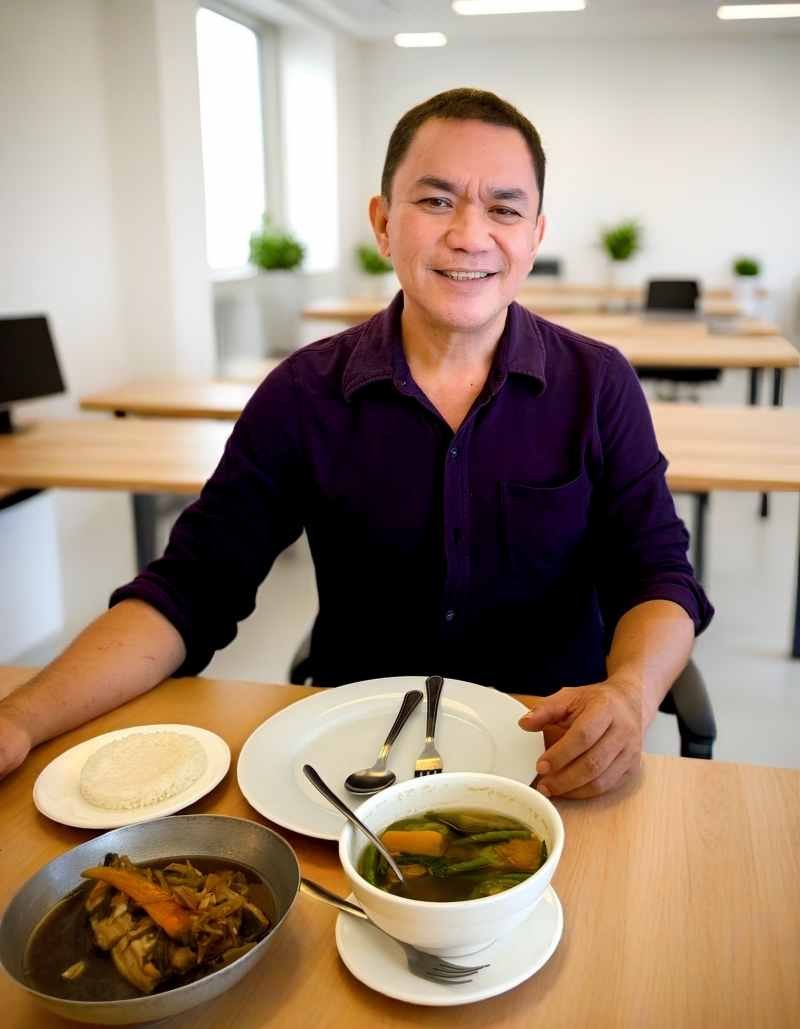
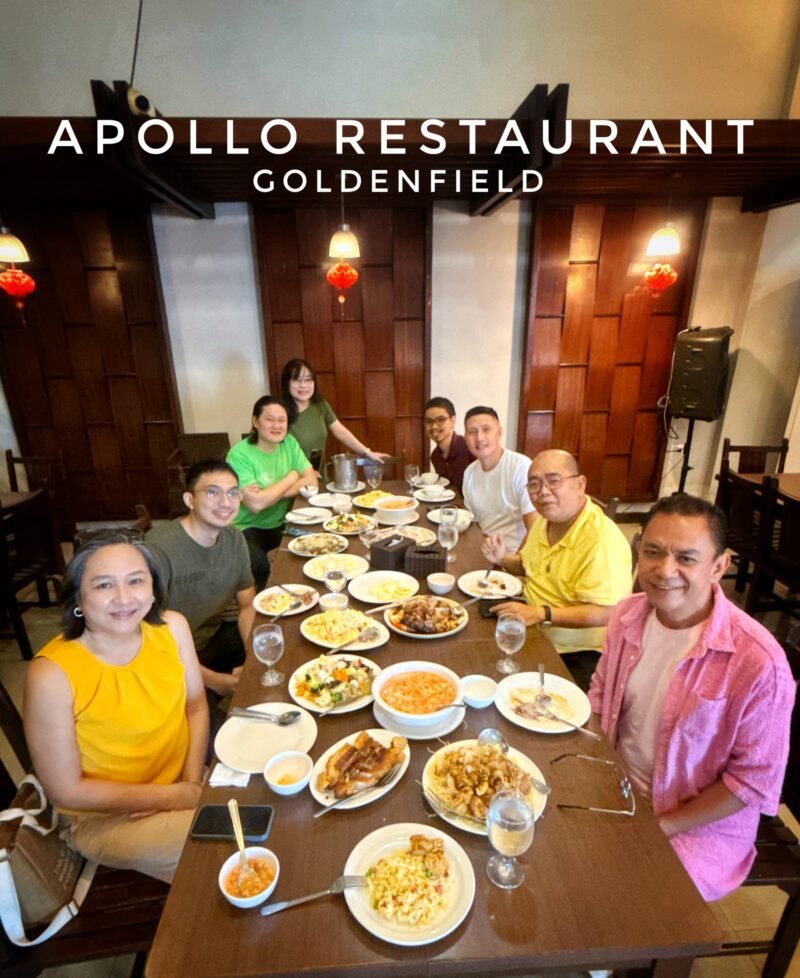
Dining has always been one of our favorite pastimes with friends—and really, who doesn’t enjoy good food? This was taken before my low-carb journey. I still eat out, just more cautious and selective now, of course.
Rice Wasn’t Even My Hardest Goodbye [ Starting Low-Carb ]
In my case, rice wasn’t my biggest struggle.
I was more of a bread eater. I loved fruits. I loved variety. I loved food. And that made my journey just as challenging—maybe even more—because the foods I loved felt innocent, even “healthy.”
But over time, I learned a painful lesson:
what feels normal isn’t always what heals us.


Taken last August in Baguio City, this was during my transition phase. I had started eating shirataki by then, but the trip was challenging—there were moments when I couldn’t find the food options I wanted, especially when we stayed overnight at a friend’s house in Batangas. I even had donuts twice during this trip.
This turned out to be the last time I ate donuts. The moment we arrived back in Bacolod, I immediately committed to a strict low-carb diet.
September 2025 – started my strict low-carb diet
This Was Never a Sudden Decision [ Starting Low-Carb ]
Let me be very clear—this was not a quick change.
Like many Filipinos diagnosed with diabetes, I tried to meet my body halfway. I shifted to shirataki rice, experimented with low-glycemic grains like quinoa and adlai, and followed what many nutrition guides suggested as “better alternatives.”
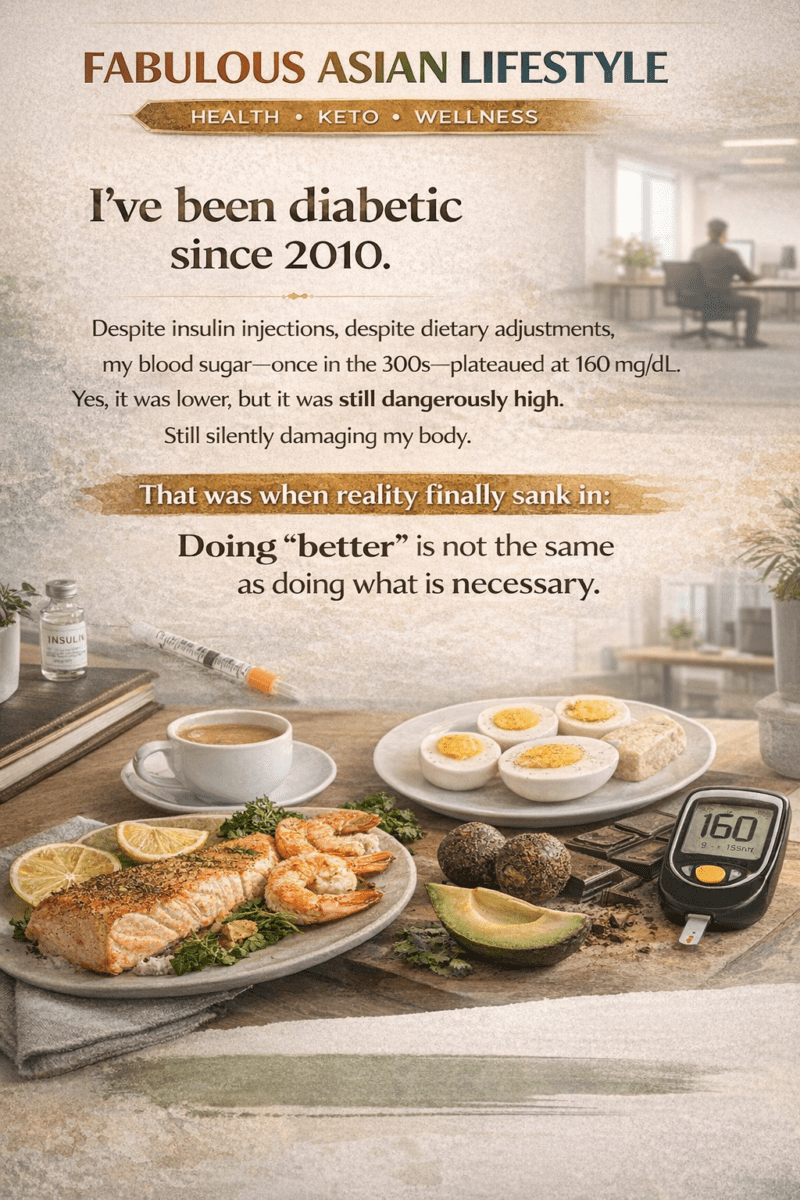
I’ve been diabetic since 2010.
Despite insulin injections, despite dietary adjustments, my blood sugar—once in the 300s—plateaued at 160 mg/dL. Yes, it was lower, but it was still dangerously high. Still silently damaging my body.
That was when reality finally sank in:
Doing “better” is not the same as doing what is necessary.
Reprogramming the Mind, Not Starving the Body [ Starting Low-Carb ]
I realized something crucial—our cravings are learned behaviors. Introduced over time. Reinforced by habit, emotion, and culture.
And if they were programmed into us, then they can be reprogrammed.
So I decided—fully, intentionally, and without shortcuts—to change my lifestyle. Not out of fear alone, but out of love for life. I didn’t want to grow old sick. I didn’t want to collect complications. I wanted to live—not just exist.
And no, let me say this clearly:
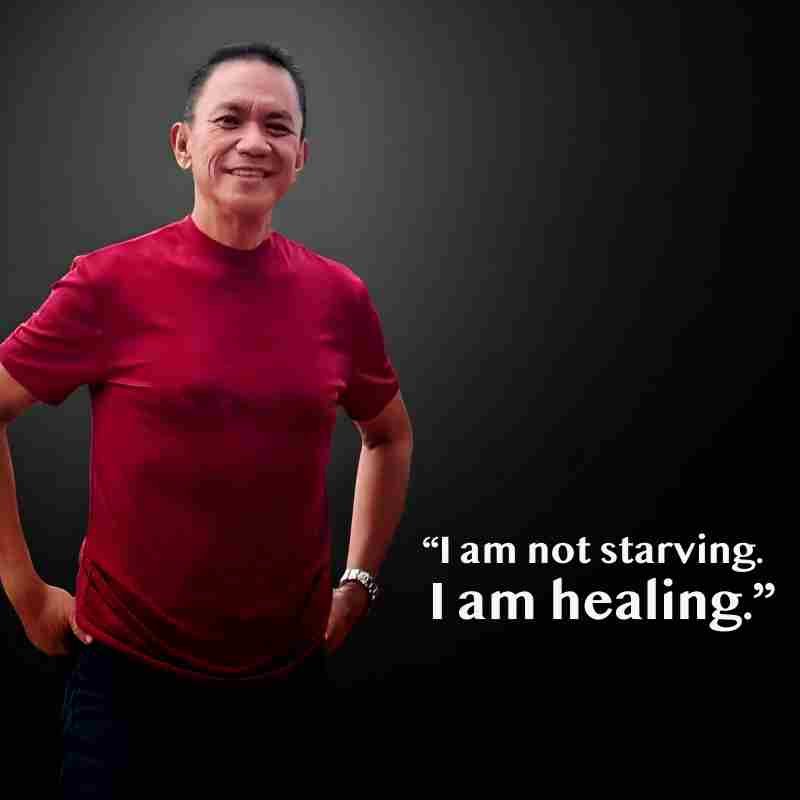
I am not starving. I eat a lot.
I simply changed the combination of foods I eat today.
I still eat lechon.
I enjoy seafood—unlimited, unapologetically.
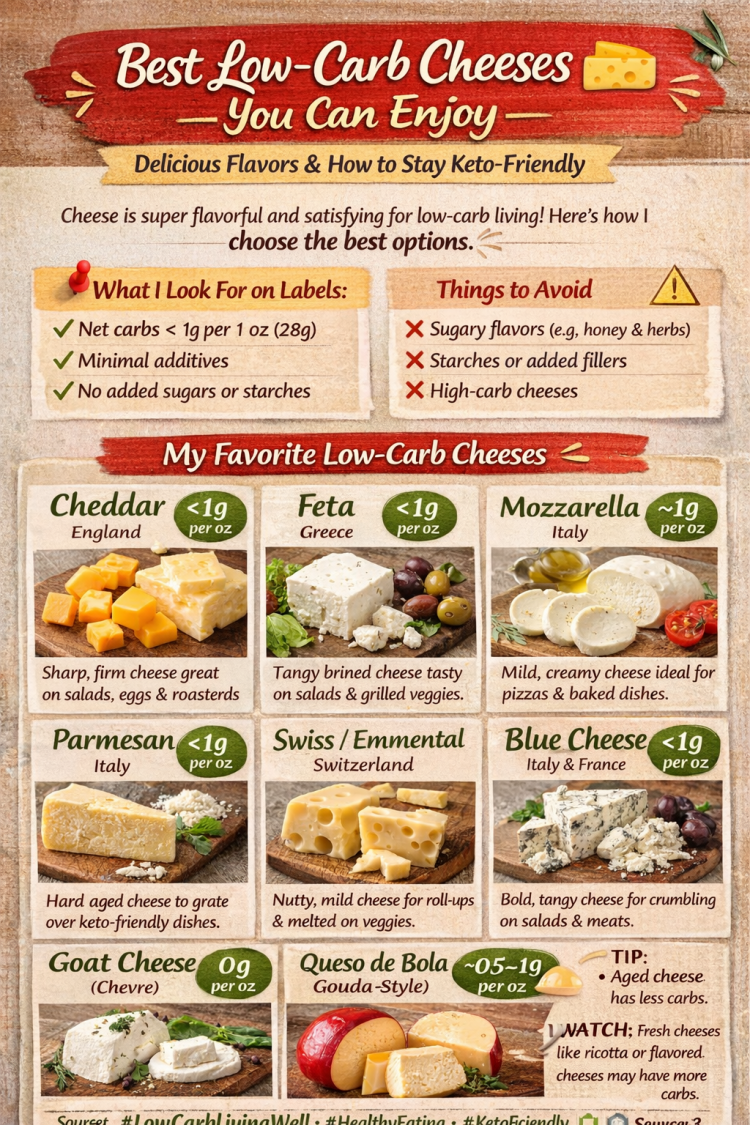
I eat meat, eggs, cheese, and healthy fats.
I even have special keto desserts and low-carb chocolates.
Who says I am starving?
I even laugh sometimes thinking about it—hahaha.
This is not deprivation.
This is redirection.
And Then the Changes Came—Quietly, Powerfully [ Starting Low-Carb ]
Something beautiful happened.
My blood sugar dropped to normal levels—between 87 and 100 mg/dL, depending on timing and testing.
My SGPT normalized, signaling that my liver was finally healing.
My cholesterol is still under monitoring, and I’m scheduled for another lab test soon—including follow-up for fatty liver.
And I remind myself every day:
I am only four months into this lifestyle.
After decades of metabolic damage, I don’t expect miracles overnight. Many doctors emphasize that healing happens differently for everyone—and they are right (see Dr. Jason Fung’s work on insulin resistance: https://www.dietdoctor.com/low-carb/diabetes).
Low-carb is not magic.
It is commitment repeated daily.

I Eat Well—And With Intention
I love salads—and I make them nourishing.
I prepare my own vinaigrette using:
- Olive oil
- Coconut aminos
- Spices
- Apple cider vinegar
Sometimes, I enjoy greens with mayonnaise and generous amounts of cheese. I always add protein—fish, chicken, beef—and eggs, which are almost always part of my meals.
I cook my own food not because I’m obsessive, but because I respect my body now. I want to know what enters it.
Of course, there are moments when eating out is unavoidable. I don’t always know what condiments are used. That’s exactly why I stay disciplined at home. I never cheat on my own meals—so when there are hidden carbs outside, my body can handle it.
As Dr. Eric Westman often says, low-carb works best when it becomes a lifestyle, not a temporary fix
https://www.dukehealth.org/find-doctors-physicians/eric-c-westman-md

The Part People Don’t Prepare You For: Rapid Weight Loss [ Starting Low-Carb ]
One of the hardest emotional challenges was losing weight quickly.
People worried. Some didn’t like how I looked. Others said I looked better before—fuller, healthier in their eyes.
But here’s the truth:
My Body Mass Index (BMI) is normal.
The clothes I wear now are clothes I wore years ago.
This body is not foreign—it is familiar.
Yes, sagging skin happens. Yes, many people appear older during the early months of weight loss. This is well-documented and temporary (https://www.ncbi.nlm.nih.gov/pmc/articles/PMC5452224/).
But I asked myself something important:
If I end up hospitalized, will the people criticizing my appearance pay for my medical bills?
This is my life.
This is my body.
People speak out of concern—and often out of love. We can’t fault them for that. Over time, they adjust. They always do.
And yes—new clothes help.
I personally switched to crew-neck shirts. They frame my body better now. Small changes, but meaningful ones.

What Truly Matters
At the end of the day, I return to a simple truth from The Little Prince:
“What is essential is invisible to the naked eye.”
Healing doesn’t always look good at first.
Health doesn’t always receive applause.
But it is real.
To every Filipino struggling to let go of rice, bread, or sugar—hear this:
You are not weak.
You are not broken.
You are capable of change.
This is not punishment.
This is a new way of living.
I am still enjoying life. I am still grateful. And I pray that God grants me long life—not just for myself, but so I can inspire others who are afraid to begin.
Stay disciplined.
Stay hopeful.
Stay low-carb
References
- Dr. Jason Fung – Insulin Resistance & Diabetes
https://www.dietdoctor.com/low-carb/diabetes - Dr. Eric Westman – Clinical Low-Carb Protocols
https://www.dukehealth.org/find-doctors-physicians/eric-c-westman-md - Virta Health – Diabetes Reversal Research
https://www.virtahealth.com/research - American Diabetes Association – Low-Carb Dietary Patterns
https://diabetesjournals.org/care/article/42/5/731/36564 - Low-Carb and Fatty Liver Disease (NIH)
https://www.ncbi.nlm.nih.gov/pmc/articles/PMC5452224/
More Stories
- Low-Carb Cheeses I Love: Carb Facts, Benefits & Selection Tips
- Greek Feta Salad Recipe | A Refreshing Low‑Carb Meal
- Keto Superfood : Eating Smart on Low Carb
- Avoid Nutritional Imbalance and Malnutrition While On Low Carb
- Autophagy, Fasting on Low-Carb: Cellular Renewal for Health
- Balanced Protein-Focused Low-Carb | My Diet
- Low-Carb Living : How Carbs, Protein, and Fats Really Work
- Low-Carb Journey: A Personal Story and an Evidence-Based Guide
- Low‑Carb Lifestyle | What is It, What To Eat
- Fasting and Low-Carb Diet
- Type 2 Diabetes, Weight Loss in Low-Carb