Fasting and Low-Carb Diet
Table of Contents
Fasting and Low Carb: A Comprehensive Health Guide (with Electrolytes Explained)
CLICK HERE FOR MORE LOW-CARB LIFESTYLE STORIES
Disclaimer
This article is for informational purposes only and is not medical advice. Always consult your doctor or healthcare provider before beginning fasting, low‑carb diets, or electrolyte supplementation — especially if you have health conditions, take medications, are pregnant, or have other medical concerns.
Fasting and low‑carbohydrate eating are two powerful nutritional strategies that many people use for weight loss, blood sugar control, metabolic health, and cellular repair. When combined thoughtfully, they can help shift the body into a fat‑burning state, trigger autophagy, and support overall wellness. But to do it safely and effectively, especially during extended fasting periods, you need to understand not just the eating patterns but also the role of electrolytes — and how to replenish them properly.
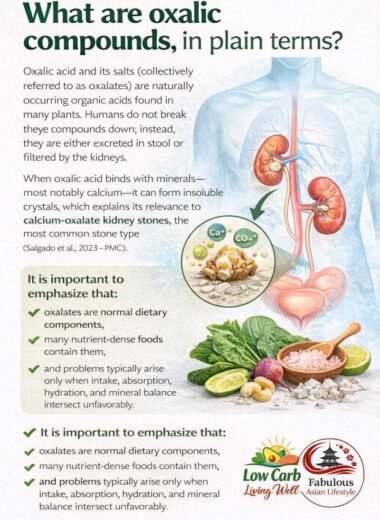
What Are Fasting and Low-Carb?
Fasting means voluntarily abstaining from food (and sometimes caloric beverages) for a set period. Low‑carb eating means reducing carbohydrate intake so the body relies more on fat for energy instead of glucose. Together, fasting and low carb help the body shift from using glucose to burning fat and producing ketones — which many people experience as increased mental clarity and steady energy. Nutrition With Judy
Fasting activates important biological processes, including autophagy — a natural cleanup system where cells remove damaged components and recycle parts for reuse — which is linked to improved cellular health and longevity. Nutrition With Judy
A Brief Biblical Context About Fasting and Low-Carb Diet
Fasting has a long history beyond just health science. In the Bible, people fasted for spiritual purposes:
- Jesus fasted for 40 days and nights, reflecting spiritual dedication and discipline (Matthew 4:2). DIY Alibaba
- The Old Testament describes fasting for repentance and seeking divine guidance (Psalm 35:13). DIY Alibaba
- Early Christians practiced forms like xerophagy — very simple fasting meals with minimal foods. The Institute for Functional Medicine
These practices were primarily spiritual but inadvertently align with fasting patterns modern science now studies for health benefits.

Time Windows: What They Mean [ Fasting and Low-Carb Diet ]
There are several common fasting methods people use with low‑carb eating:
- 16:8 Intermittent Fasting: Fast for 16 hours, eat within an 8‑hour window daily.
- OMAD (One Meal A Day): Eat one meal in about a 1–4 hour window, fasting ~20+ hours.
- TMAD (Two Meals a Day): Eat two meals with a long fasting window (~18–20 hours).
- 5:2 or Alternate‑Day Fasting: Restrict calories on 1–2 days weekly or alternate fasting days. Nutrition With Judy
In general, the longer the fast, the deeper your body goes into fat burning and autophagy, though longer fasts require more careful planning and monitoring. Nutrition With Judy
What Happens in the Body During Fasting
When you fast:
- Glycogen stores deplete and your body switches from glucose to fat for fuel.
- Insulin levels drop, which helps release stored fat.
- Autophagy ramps up, clearing out old or damaged cells. Nutrition With Judy
This process can support weight loss, improved blood sugar control, and metabolic flexibility when done appropriately. The Institute for Functional Medicine

What Are Electrolytes and Why Are They Critical? [ Fasting and Low-Carb Diet ]

Electrolytes are minerals — including sodium, potassium, magnesium, and chloride — that carry an electric charge in your body. They are essential for:
- Maintaining fluid balance
- Supporting nerve and muscle function
- Regulating heart rhythm
- Stabilizing pH and hydration levels Wikipedia
When you fast, especially for extended periods or in a low‑carb state, your body loses more sodium and water because insulin levels drop and your kidneys excrete more sodium. This can lead to symptoms like dizziness, headaches, fatigue, muscle cramps, nausea, and weakness — signs of electrolyte imbalance. LMNT Electrolytes
How Electrolytes Work During Fasting
Research shows that fasting can alter electrolyte levels in the blood — for example, sodium and potassium concentrations may rise or change as the body adapts to fluid and metabolic shifts during fasting. Brieflands
Low sodium intake during fasting — because you’re not eating your regular meals — plus increased sodium excretion can lead to natriuresis (sodium loss). Electrolyte replenishment helps prevent dehydration and uncomfortable fasting side effects without breaking the fast. LMNT Electrolytes

Simple DIY Electrolyte Recipes You Can Use
Below are evidence‑based ways to make your own electrolyte drinks. You can sip these during fasting windows without significantly affecting insulin or breaking your fast (especially if zero‑calorie ingredients are used). LMNT Electrolytes
Dr. Iris Radev Electrolyte Mix (Powder Base)
- ¼ teaspoon magnesium (supports muscle function and energy)
- ¼ teaspoon pink Himalayan salt (provides sodium and trace minerals)
- Optional: a pinch of potassium chloride if available
- Dissolved in about 1 liter (4 cups) of water
Mix these dry ingredients into water and sip slowly throughout your fasting or low‑carb days to help prevent cramps, dizziness, and dehydration. Facebook
This approach is similar to general electrolyte advice in nutrition science, which emphasizes sodium, potassium, and magnesium as key electrolytes for hydration and muscle/nerve function during reduced carbohydrate intake or fasting. DIY Alibaba
Basic Zero‑Calorie Fast‑Friendly Electrolyte Water
Mix in 1 liter of water:
- 2.5 g fine salt (~1,000 mg sodium)
- Optional: 1.25 g potassium chloride (“lite salt”)
- Optional: 300–400 mg magnesium (unsweetened drops)
Stir and chill. Start with the simple salt + water and add potassium or magnesium as needed. Masala Monk
Low‑Sugar Electrolyte (for Fasting or Low Carb)
- 1 L filtered water
- ¼ tsp salt
- ¼ tsp potassium chloride
- ¼ tsp magnesium citrate powder
- Juice of ½ lemon or lime
Refrigerate and sip slowly. Camara
👉 These mixes help replace key minerals while keeping overall calories minimal or zero — useful for longer fasts and extended low‑carb protocols. Masala Monk
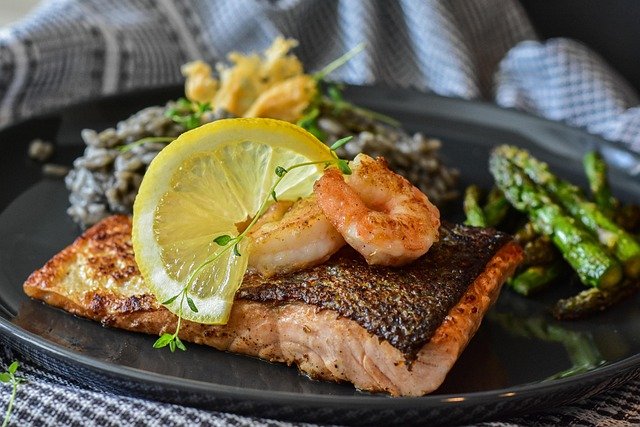
![[ Fasting and Low-Carb Diet ]](https://www.fabasianlifestyle.com/wp-content/uploads/2025/12/fish-2230852_640.jpg)
How to Break a Fast [ Fasting and Low-Carb Diet ]
When ending a fast, start with easy‑to‑digest foods so your body transitions smoothly:
- Bone broth (rich in electrolytes and amino acids)
- Light cooked vegetables or salads
- Lean proteins (eggs, fish, chicken)
- Fermented foods (gentle on the gut)
Avoid high‑carb or heavy meals immediately after a fast as these can spike blood sugar abruptly.

Fasting with Pre‑Existing Conditions
People with conditions like type 2 diabetes, fatty liver, or metabolic syndrome often see benefits from intermittent fasting and low‑carb eating, including improved blood sugar and reduced liver fat. However, these conditions come with increased complexity:
- Fatty liver: Fasting may improve liver fat and metabolic markers, but it must be done with medical supervision. PMC
- Diabetes: Fasting can lower glucose and insulin levels, but medication and glucose monitoring need physician oversight. Nutrition With Judy
Consult your doctor before trying extended fasts or combining fasting with medication.
Is It Right for Everyone? [ Fasting and Low-Carb Diet ]
No. Fasting — especially long fasts — is not recommended for:
- Pregnant or breastfeeding women
- Children and adolescents
- People with a history of eating disorders
- People with serious medical conditions unless supervised
- Anyone taking certain medications that affect blood glucose or hydration
Always consult a healthcare provider before starting fasting. Nutrition With Judy

CLICK HERE FOR MORE LOW-CARB LIFESTYLE STORIES
References
- The importance of electrolytes and sodium during fasting (natriuresis & recommendations). LMNT Electrolytes
- Electrolytes defined and their physiological roles. Wikipedia
- Fasting effects and autophagy mechanisms. Nutrition With Judy
- Changes in serum electrolytes during fasting (study data). Brieflands
- DIY electrolyte recipes for hydration and fasting. Masala Monk+1
- WHO‑based oral rehydration electrolyte formula. DIY Alibaba
More Stories
- Type 2 Diabetes, Weight Loss in Low-Carb
- Miss Cosmo 2025 Crowns USA ; Philippines, First Runner-Up
- Glasshouse Sports Court for Fabulous Living | Megaworld Bacolod
- How Trainers and Educators Should Dress
- Negros Power Lowers Electricity Rates This December 2025
- AI Proofing the Workplace: How to Stay Relevant
- 24 THINGS TO DO IN CHIANG MAI | TOURIST SPOTS
- 25 THINGS TO DO IN CAMBODIA | TOURIST SPOTS
- Elements of Unforgettable Wedding | Fabulous Asian Lifestyle
- Pre-Nuptial Photoshoot: A Guide to Crafting an Unforgettable Moments
- Green Label Cafe | Vegetarian Restaurant: A Review
- Bamboyet Talabahan Seafood Restaurant in Talisay : A Review