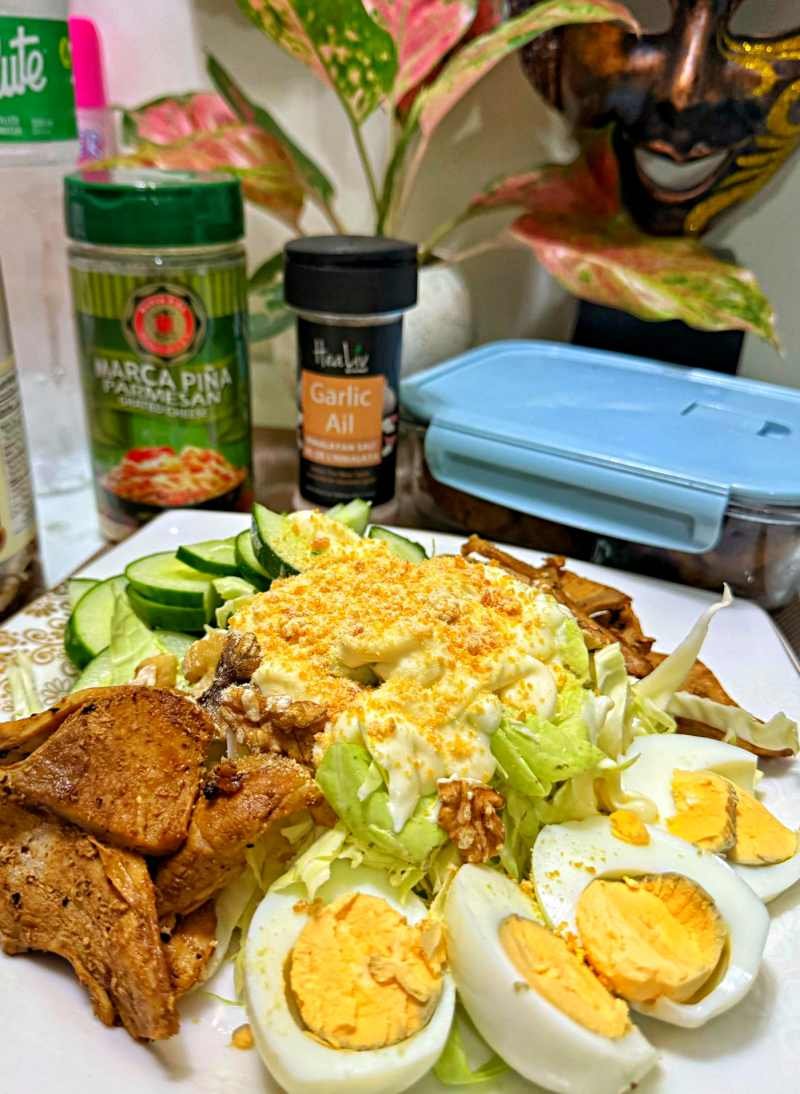
Low-Carb Living | but this was taken before i venture into my new lifestyle
Table of Contents
Low-Carb Living in the Philippines: How Carbs, Protein, and Fats Really Work in Your Body
Disclaimer
This article is for informational purposes only and does not replace professional medical advice. Individuals with diabetes, metabolic disorders, or other health conditions should consult a licensed healthcare provider before making dietary changes.

the first photo was taken 2 years ago and the other one was taken just this December 2025
Many Filipinos grew up with the mantra: “Rice is life.” Breakfast often starts with pan de sal, lunch with white rice and adobo, and dinner might end with a sweet fruit salad or halo-halo. Bread, rice, and fruits are everywhere.
But for people with type 2 diabetes or insulin resistance, these comfort foods can silently sabotage your health. Understanding how carbohydrates, protein, and fats interact in the body can help you regain energy, burn fat, and stabilize blood sugar — even while enjoying Filipino flavors.
Low-Carb Living | Understanding the Three Macronutrients
The body depends on three macronutrients for fuel and structure:
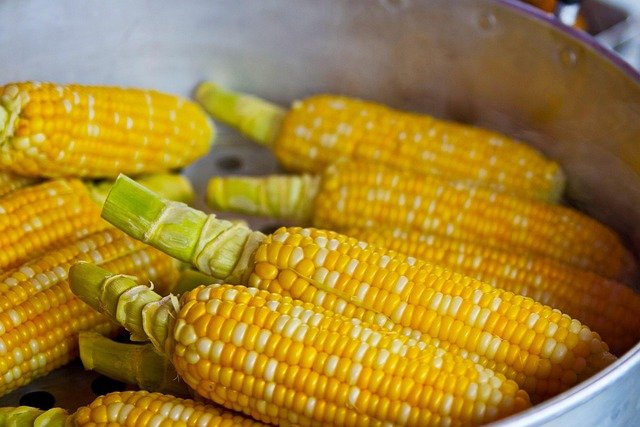
- Carbohydrates (rice, bread, fruits, root crops like kamote)
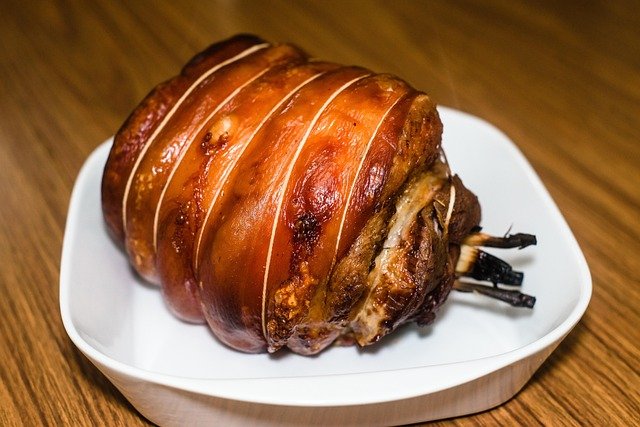
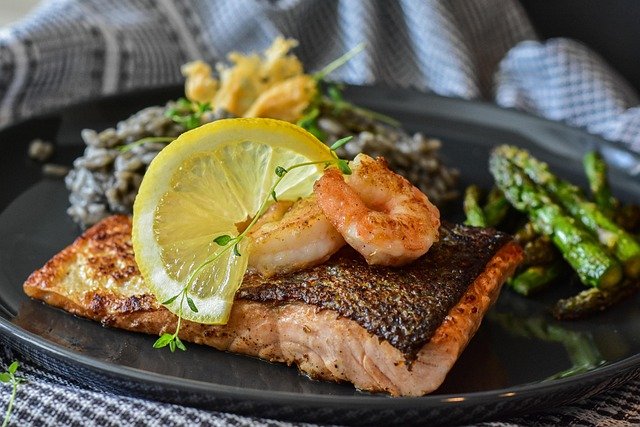
- Protein (chicken, fish, pork, eggs, tokwa)
- Fats (coconut oil, avocado, egg yolks, fish oil, lard in traditional dishes)
Each macronutrient behaves differently once eaten, sending unique signals to your body.
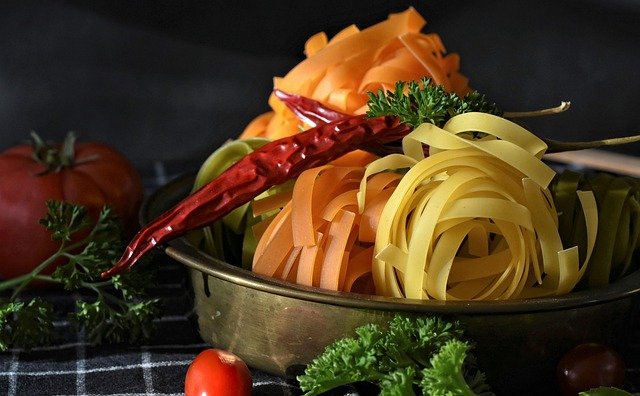
Carbohydrates: Fast Energy That Dominates Fuel Use | Low-Carb Living
Carbohydrates like white rice, pandesal, sweetened pandesal spreads, sugarcane juice, and ripe mangoes are broken down into glucose. Glucose quickly enters your bloodstream, causing insulin release.
The body prioritizes glucose for fuel. When carbohydrates are abundant:
- Glucose is burned first
- Fat burning is suppressed
- Excess glucose can be stored as fat
This is why high-carb Filipino meals can spike blood sugar, even if you are active (Harvard T.H. Chan School of Public Health ).

Protein: The Builder That Protects Muscle | Low-Carb Living
Protein, found in lechon, adobo, grilled tilapia, eggs, tokwa, and longganisa, is used mostly for structure and repair, not immediate fuel.
It supports:
- Muscle repair
- Hormone and enzyme production
- Immune function
Protein can be converted into glucose in emergencies, but the body prioritizes using protein to build, not burn (Cleveland Clinic ).
Fat: The Long-Lasting Fuel | Low-Carb Living
Filipino cuisine naturally contains healthy fats, from coconut oil in sinigang, tinola, avocado shakes, or egg yolks. Fat provides:
- Long-lasting energy
- Hormone support
- Organ protection
But fat is only burned when insulin is low. If carbs are present, the body burns glucose first and stores fat National Institutes of Health .

When Carbs, Protein, and Fat Come Together in Filipino Meals | Low-Carb Living
Consider a typical Filipino plate: white rice + pork adobo + fried egg + a slice of mango.
What happens inside your body:
-
Insulin rises to process the rice and mango sugar
-
Glucose is burned first
-
Fat from adobo and egg waits
-
Excess fat and glucose may be stored instead of burned
Insulin effectively tells your fat: “Wait your turn.”
(Endocrine Society .
When Fat “Waits”: What Happens to the Body
If fat isn’t burned because insulin is elevated:
- Fat gets stored instead of burned – The body keeps existing fat locked in, while storing dietary fat.
- Energy crashes – Relying on carbs causes highs and lows in energy and hunger.
- Metabolic flexibility decreases – The body loses the ability to switch efficiently between glucose and fat as fuel (National Library of Medicine ).
- Insulin resistance can worsen – Fat accumulates in the liver and muscles, increasing inflammation (NIH ).

What Changes on a Low-Carb Filipino Plate
Reducing rice, bread, and high-sugar fruits allows:
- Lower insulin levels
- Access to stored fat
- Stable energy throughout the day
Low-carb Filipino alternatives:
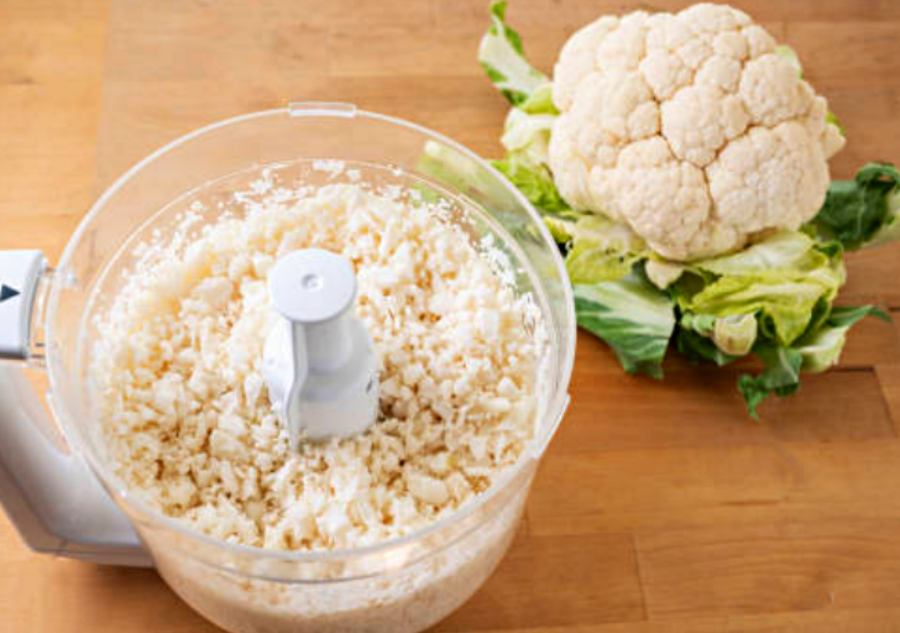
- Cauliflower rice instead of white rice
- Cabbage or shredded ampalaya stir-fry for volume
- Egg, tokwa, or fish as primary protein
- Avocado, coconut milk, or coconut oil for healthy fats
Without carbs, the body enters fat-burning mode (ketosis), producing ketones for fuel while protein remains for structure (Johns Hopkins Medicine ).
Practical Takeaway: Low-Carb Living in a Filipino Context
Carbs are fast fuel, protein is structural, fat is energy you can rely on — once carbs are reduced.
In a low-carb lifestyle:
- Fat stops waiting and starts working for you
- Energy stabilizes
- Hunger decreases
- Blood sugar stabilizes
Switching to low-carb Filipino meals doesn’t mean giving up flavor — it’s about choosing foods that fuel your body instead of storing fat.
CLICK HERE FOR MORE LOW-CARB LIFESTYLE STORIES

References
- Harvard T.H. Chan School of Public Health – Carbohydrates and Blood Sugar
https://www.hsph.harvard.edu/nutritionsource - National Institutes of Health – Dietary Fats
https://www.ncbi.nlm.nih.gov/books/NBK53550/ - Endocrine Society – Insulin Resistance
https://www.endocrine.org - Johns Hopkins Medicine – Ketogenic Metabolism
https://www.hopkinsmedicine.org - National Library of Medicine – Metabolic Flexibility
https://www.ncbi.nlm.nih.gov/pmc/articles/PMC5471879/
More Stories
- Low-Carb Journey: A Personal Story and an Evidence-Based Guide
- Low‑Carb Lifestyle | What is It, What To Eat
- Fasting and Low-Carb Diet
- Type 2 Diabetes, Weight Loss in Low-Carb
- Miss Cosmo 2025 Crowns USA ; Philippines, First Runner-Up
- CREMATION, A CHOICE FOR MANY FILIPINOS | Teresa Development Corporation
- 10 MEN’S FASHION HACKS | DRESS TO IMPRESS
- FOOD PRESENTATION IDEAS | THAILAND
- HOW TO STAY LOOKING YOUNG IN YOUR 40’s
- HOW TO GET RID OF BLACKHEADS