

My Low-Carb Journey | the first photo was taken last August ,while the second was taken this month of December 2025
Table of Contents
My Low-Carb Journey: A Personal Story and an Evidence-Based Guide
CLICK HERE FOR MORE LOW-CARB LIFESTYLE STORIES
Author’s Note (Health Update):
As of this writing, my blood sugar levels are already within the normal range, and my SGPT has returned to normal levels as well. I am scheduled for another round of laboratory tests to assess further changes and improvements in my overall metabolic condition. My doctor has already stopped my insulin injections, which is a significant milestone for me. However, she has also made it clear that my maintenance medications cannot be discontinued yet, as these metabolic conditions have been present for many years. Time, consistency, and continued monitoring are necessary to determine whether these improvements can be sustained and truly reversed.

Low-Carb Journey
For most of my life as a diabetic patient — diagnosed with type 2 diabetes in 2010 — managing my blood sugar was always a delicate balancing act. Diets, medications, and medical advice became part of my routine. But in the last few years, my health challenges expanded beyond blood sugar alone.
I was diagnosed with fatty liver, high cholesterol, especially elevated triglycerides, and high SGPT — a liver enzyme that signals inflammation or injury. On top of that, I have multiple gallstones, which are steadily growing. Although they haven’t caused severe pain yet, I know time won’t wait. I want surgery while I am still strong — not when an emergency strikes and my body is unprepared.
The road has been bumpy. My first attempt to prepare for surgery was suspended because my blood sugar climbed as high as 300 mg/dL, and my SGPT was too elevated. My doctor prescribed insulin to rein in my sugar levels. After the insulin took effect, my readings dropped but then plateaued at around 160 mg/dL on random checks. I felt stuck.
In search of improvement, I tried various dietary strategies: shirataki noodles, skipping meals, swapping white rice for black rice or adlai, and even embracing every “low-glycemic” trend I could find. The results were inconsistent — sometimes 120 mg/dL, sometimes 160 mg/dL.
Then one day, I decided to cut almost all carbohydrates from my diet.
Almost immediately, my random blood sugar readings dropped into the 90s and low 100s, numbers I hadn’t seen in years. With movement or activity, I even saw readings as low as 95 or 90 mg/dL. That experience convinced me: this wasn’t a fad — this was a transformation.
What follows is what I’ve learned about the low-carb diet so far — what it is, how it works, what the research says, its benefits, and its possible downsides — all grounded in clinical evidence.

What Is a Low-Carb Diet? [ Low-Carb Journey ]
A low-carb diet generally involves reducing your intake of carbohydrates — the main source of glucose in the bloodstream — and replacing them with proteins and fats. The degree of restriction varies, but in many clinical studies, “low carb” means significantly lowering carbs below typical dietary guidelines. In contrast, most nutrition recommendations suggest that 45–65% of daily calories should come from carbohydrates. Mayo Clinic
When carbohydrate intake is reduced substantially, the body begins to use fat for fuel instead of glucose, which can affect metabolism, weight, and blood sugar regulation.

How Does It Work for Blood Sugar and Metabolism?
Carbohydrates break down into glucose, which drives insulin release. Insulin helps regulate blood sugar, but in conditions like type 2 diabetes and insulin resistance, this system becomes dysfunctional. By reducing carb intake, you reduce the size and frequency of blood sugar spikes, which can lessen glucose variability and improve overall control.
Multiple randomized controlled trials and meta-analyses show that low-carb diets can significantly improve hemoglobin A1c levels and fasting glucose, particularly in people with diabetes. In one comprehensive meta-analysis involving nearly 1,200 participants with type 2 diabetes, researchers found that low-carb diets reduced HbA1c and fasting glucose, and also lowered triglycerides while increasing HDL (“good”) cholesterol — all beneficial improvements in metabolic health. PubMed

Benefits of a Low-Carb Diet [ My Low-Carb Journey ]
1. Better Blood Sugar Control
Research shows that carbohydrate restriction can improve both short- and intermediate-term glucose control and help reduce HbA1c. Many people with diabetes also experience reduced insulin requirements as their diet stabilizes their glycemic levels. Verywell Health
2. Lower Triglycerides and Improved Lipid Profile
Low-carb eating has been linked to significantly lower triglyceride levels, which is particularly important for people like me who struggle with high triglycerides. In many studies, triglyceride levels drop more on low-carb diets compared with traditional low-fat plans. PubMed
3. Weight Loss and Improved Insulin Sensitivity
Cutting carbs often leads to weight loss — partially because it reduces appetite and may increase fat burning. Weight loss alone has a beneficial effect on insulin resistance, which is central to type 2 diabetes management. PubMed
4. Potential Benefits for Fatty Liver Disease
Some studies suggest that reducing carbohydrate intake, especially refined carbs, may help reduce liver fat and inflammation, which is relevant to fatty liver disease — a condition many diabetics also face. MDPI
5. Possible Reduced Risk of Premature Death (With Quality Diet)
One long-term observational study found that among people with type 2 diabetes, those who followed a low-carb pattern emphasizing plant-based foods and high-quality carbs had a lower risk of premature mortality, cardiovascular disease, and cancer compared with other dietary patterns. Harvard Gazette

Are There Negatives to Low-Carb? [ My Low-Carb Journey ]
Yes — it’s important to understand the potential downsides as well:
1. Short-Term Side Effects
When you first cut carbs, your body needs to adjust. Many people experience:
- Headaches
- Fatigue or weakness
- Constipation
- Bad breath — especially if ketosis starts. These effects are usually temporary. Mayo Clinic
2. Nutrient Imbalances and Fiber Deficiency
Carbohydrate-rich foods often provide vital fiber, vitamins, and minerals. Cutting too many carbs without careful planning can lead to nutrient deficiencies and digestive issues. PubMed
3. Long-Term Evidence Is Still Evolving
While the short- and intermediate-term benefits are well documented, research on the long-term effects of strict low-carb diets — particularly very low carb (e.g., ketogenic levels) — is still limited. Some studies suggest that extremely low carbohydrate intake over long periods may carry potential risks, but more data is needed. PubMed
4. Cholesterol Concerns with Saturated Fat
Some versions of low-carb diets that include high amounts of saturated fat may raise LDL cholesterol in some individuals. This doesn’t happen for everyone, but it is something clinicians monitor closely. OUP Academic
My Personal Experience So Far
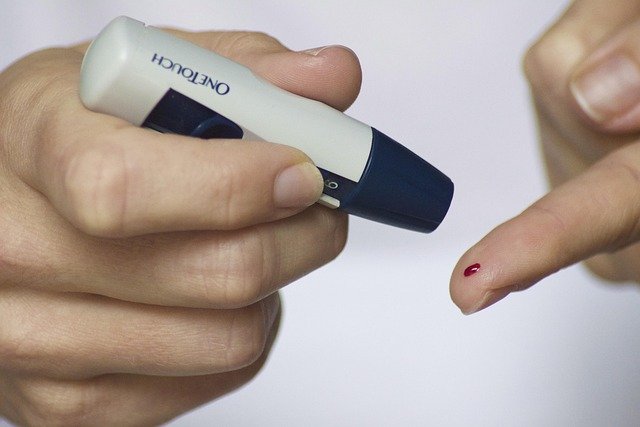
When I eliminated most carbohydrates from my diet, the results were remarkable. My random blood sugar readings fell into the 90–100 mg/dL range — levels I had not experienced in years. That improvement gave me the confidence to stick with the lifestyle rather than treating it as a temporary experiment.
I am careful to include nutrient-dense foods — leafy vegetables, protein sources, and healthy fats. I still monitor my readings with my doctor’s guidance and continue periodic lab tests to track progress.
This journey is ongoing, and I will continue to share updates as I learn more about how low-carb living affects not just my blood sugar but my overall health.

Conclusion
A low-carb diet isn’t a one-size-fits-all solution, but for many — especially those managing type 2 diabetes — it offers a powerful way to stabilize glucose levels, improve triglycerides, and support metabolic health. Research supports that low-carb diets can enhance glycemic control and lipid profiles in people with diabetes, though careful planning and professional guidance are essential.
If you’re considering this lifestyle, consult your healthcare team, personalize your approach, and focus on quality carbohydrates and balanced nutrition.
CLICK HERE FOR MORE LOW-CARB LIFESTYLE STORIES

References
- Mayo Clinic: “Low-carb diet: Can it help you lose weight?” Mayo Clinic
- Meta-analysis: Low-carb diet effects on glucose and lipid metabolism in T2DM patients. PubMed
- Harvard Gazette: Low-carb diet and mortality in type 2 diabetes. Harvard Gazette
- Update on low-carb diets research. PubMed
- Effects of carbohydrate restriction on fatty liver disease. MDPI
- Potential benefits and risks of low-carb in type 2 diabetes. PubMed
- Systematic review on low-carb diet efficacy and safety. PubMed
- Carbohydrate restriction and cardiometabolic risk factors. OUP Academic