

Talisay Coastal Cleanup | Negros Power Ignites Hope and Action
Table of Contents
Negros Power Ignites Hope and Action at Talisay Coastal Cleanup
A Morning of Community Spirit and Environmental Care
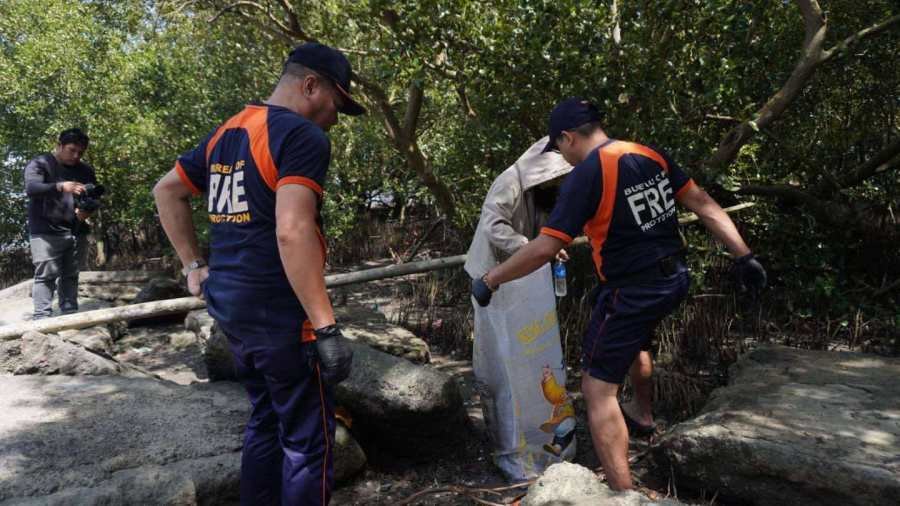
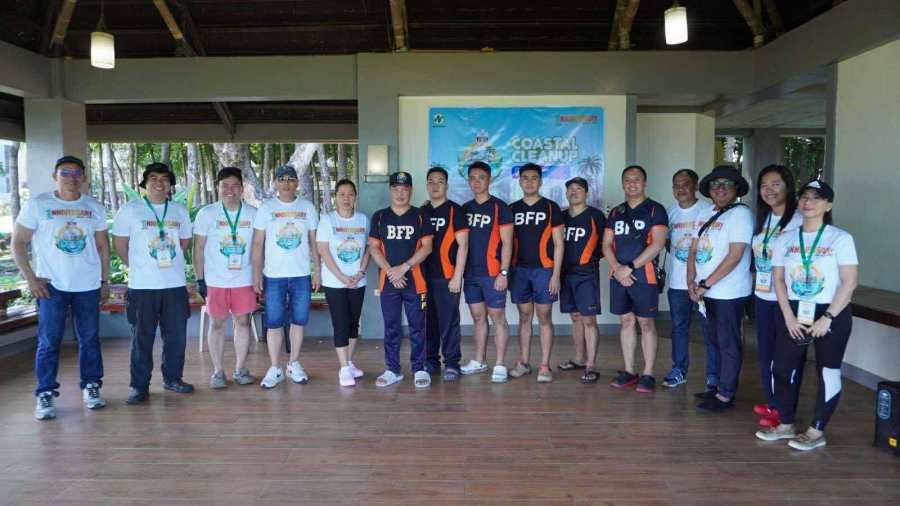
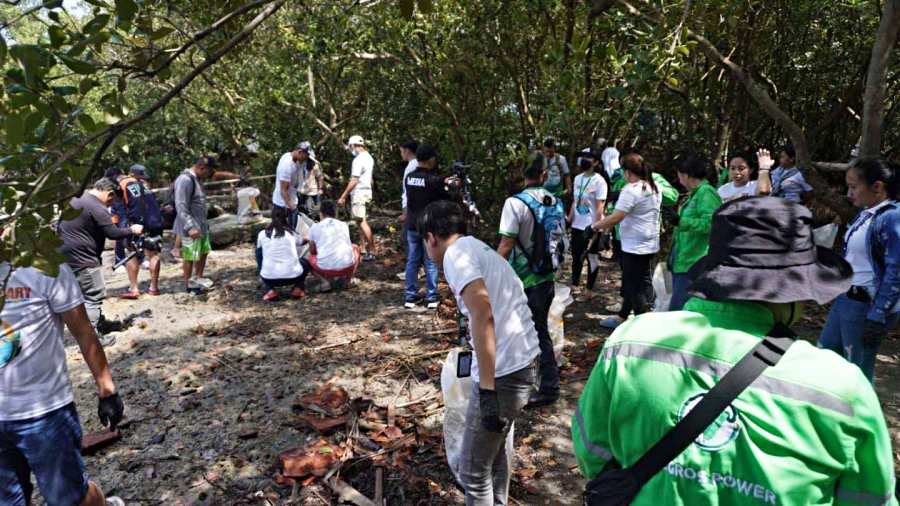
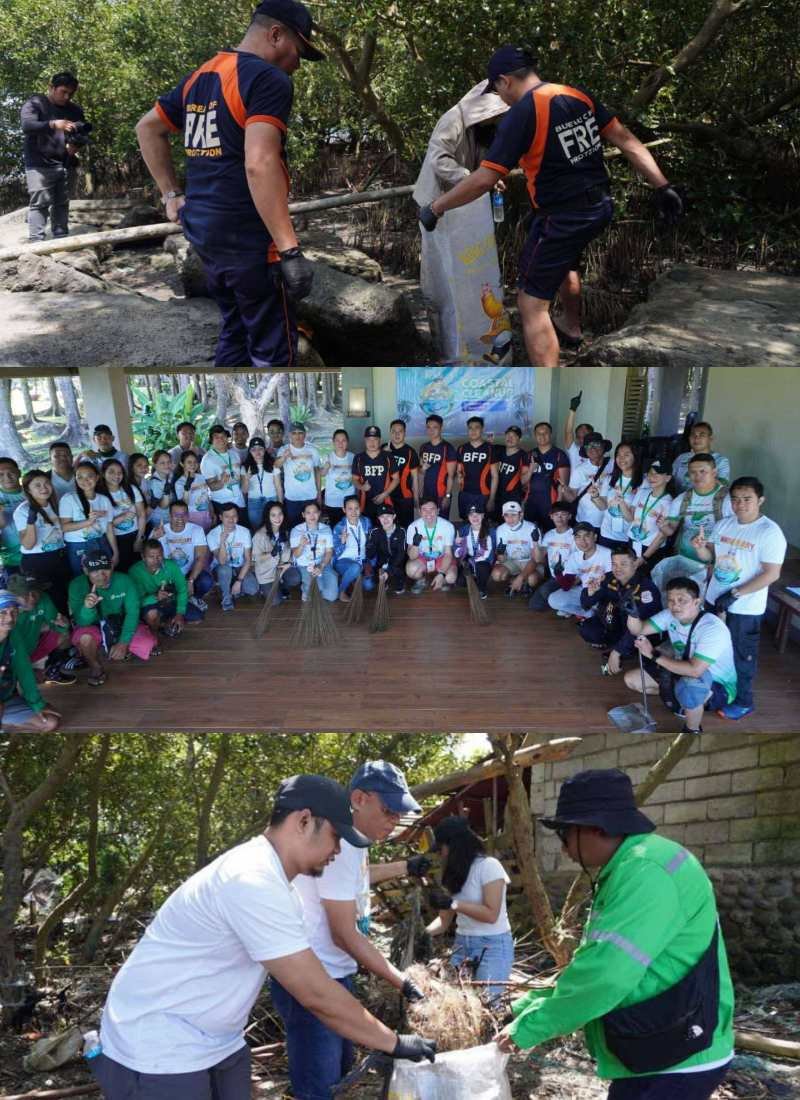
On a bright morning in Purok Tayabas, Barangay Zone 15, Talisay City, a wave of energy swept the shoreline—not from the tide, but from the passionate hearts and helping hands of a community united. As part of its 1st anniversary celebration and the “Ikaw Ang Una” campaign, Negros Power brought together 75 spirited volunteers—employees, Bureau of Fire Protection (BFP) personnel, and community guardians from Bantay Katunggan—to stand shoulder-to-shoulder for the planet.
Cleaning Up for a Cleaner Future
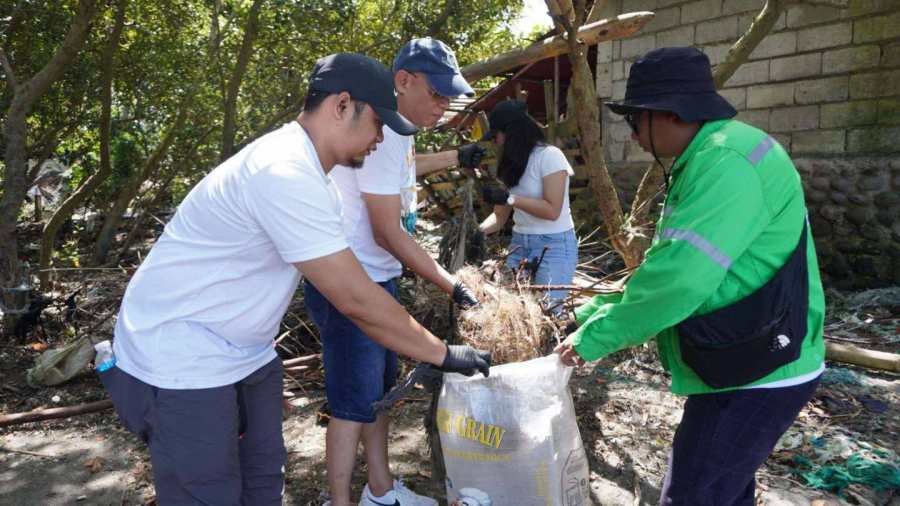
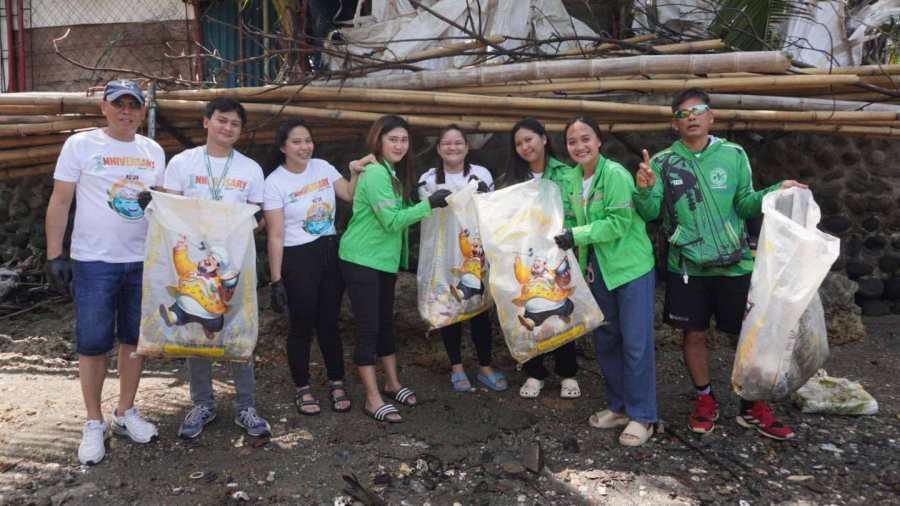
With the glow of service lighting their path, volunteers set to work, combing the coastline for debris that, too often, scars our natural beauty. The effort was not just about picking up plastic or glass, but about reclaiming hope and pride in the land, one sack at a time. By day’s end, they had filled 15 sacks: 5 with non-recyclables (about 70kg), 7 with recyclables (roughly 110kg), and 3 with shards of broken glass and tiles (40kg). Each piece was mindfully sorted and prepared for responsible recycling or disposal—a small act, multiplied by many, with big consequences for a cleaner future.
Beyond Electricity: A Mission of Service and Care
Yet, the cleanup meant more than environmental impact. It was a living testament to Negros Power’s mission: that their responsibility as a utility provider extends well beyond the lines and poles. “We know that delivering electricity is just the start,” shared Maricel Pe, Assistant Vice President for Customer Care. “Being truly present means putting people—our consumers, our neighbors—at the very center. Through ‘Ikaw Ang Una,’ we want everyone to feel that they are first: in service, in safety, in every effort to nurture the world we share.”
Building Connections and Inspiring Hope
For the volunteers, the day offered the gift of connection. Laughter rang as stray wrappers were wrestled from mangroves. New friendships formed in the heat of honest work. Children peered curiously from the sidelines, watching loved ones become heroes, even just for a morning. The event became a ripple of hope—a reminder that everyone, regardless of age or role, can leave a mark on the sand. Those efforts build legacies, not just for Negros Power, but for the entire community.
A Continuing Journey of Community Partnership
The anniversary celebration continues through August, each activity another chance to strengthen ties in Negros Occidental. In every act—whether cleaning coasts, improving systems, or simply lending a hand—Negros Power’s message is clear: progress shines brightest when everyone is part of the journey.
Lighting Up the Future Together
In coastal sunrise and communal sweat, Negros Power’s story is not only one of electrification—but of illumination. For the people of Talisay and beyond, the future is brighter when communities come together, first in heart, then in action.
More Stories
- Typhoon Crising: Negros Power’s Emergency Response
- Strategic Content Creation & Storytelling
- Starting a New Business: A Practical Guide for Beginners
- Foundations of Innovation Management
- Digital Marketing ,Public Relations | The Fundamentals
- Anti-Pilferage Drive | Negros Power Slashes System Losses
- Personal Power : Stabbed but Still Slaying
- Mister Supranational 2025: France Triumphs, Philippines is 4th RU
- Transformative Trainings For Victorias Scholars | Two Seminars, One Mission
- Miss Supranational 2025 | Philippines Placed 3rd Runner – UP










Negros Power’s Talisay Coastal Cleanup CSR Initiative
Sr. Bebiana O. Gavas, OSA, MBA
Introduction
Corporate Social Responsibility (CSR) has evolved from peripheral corporate philanthropy into a strategic tool that aligns business objectives with societal and environmental needs. Negros Power’s Talisay Coastal Cleanup, conducted in celebration of its 1st anniversary and as part of the flagship “Ikaw Ang Una” campaign, exemplifies this transition. The initiative brought together 75 volunteers—including company employees, Bureau of Fire Protection personnel, and community guardians from Bantay Katunggan—to address coastal pollution and promote environmental stewardship in Barangay Zone 15, Talisay City. Beyond waste collection, the activity sought to foster community engagement, strengthen social bonds, and demonstrate the company’s commitment to sustainability and shared value creation.
This reaction paper evaluates the initiative across multiple dimensions: CSR integration into corporate strategy, shared value creation, stakeholder engagement, sustainability framework application, communication effectiveness, innovation, and long-term impact. By analyzing these aspects, the paper aims to determine whether the Talisay Coastal Cleanup reflects authentic, strategic CSR or risks being perceived as a one-off community engagement exercise, while offering insights for enhancing the effectiveness and sustainability of Negros Power’s future CSR initiatives.
Integration of CSR into Corporate Strategy
The coastal cleanup goes beyond a simple community event because it is deeply tied to Negros Power’s core message of putting people first. The company highlights that delivering electricity is only a starting point, and true service includes community care and environmental stewardship. By aligning the event with the “Ikaw Ang Una” campaign, Negros Power positions CSR not as an add-on but as a component of its identity and customer-centered philosophy.
The participation of employees and partner groups demonstrates internalization of CSR across the organization—a key indicator of authentic integration. Through these efforts, the company moves from transactional CSR to relational CSR, where programs support long-term trust-building.
Shared Value Creation or Public Relations?
The cleanup produced direct, measurable outcomes:
• 15 sacks collected, totaling around 220 kg of waste
• 110 kg recyclables, 70 kg non-recyclables, and 40 kg broken glass/tiles
• Responsible sorting and disposal
These quantifiable results create environmental value, while the volunteerism and community bonding create social value. Negros Power benefits through improved reputation, strengthened stakeholder trust, and employee morale—demonstrating shared value.
However, the initiative still faces the risk of being perceived as public relations if similar activities are not sustained or connected to larger, long-term environmental programs. Without consistent monitoring and long-term commitments, stakeholders may view the effort as symbolic rather than transformative.
Application of Sustainability Frameworks
While the initiative demonstrates environmental concern, the statement does not explicitly reference recognized sustainability frameworks such as the UN SDGs, ISO 26000, or GRI Standards. The activity aligns with SDG 14 (Life Below Water) and SDG 11 (Sustainable Communities), but its implementation lacks framework-based planning, baseline assessments, or long-term indicators.
Thus, while the spirit of sustainability is present, the execution could be strengthened by formally adopting recognized frameworks for planning, measuring, and reporting sustainability initiatives.
Stakeholder Engagement
Negros Power successfully engaged diverse stakeholders—employees, BFP members, and Bantay Katunggan—indicating meaningful collaboration. The event also encouraged community involvement as local residents and children witnessed the activity.
Nevertheless, stakeholder engagement could still evolve. Involving LGUs, environmental NGOs, youth groups, and schools could enrich expertise, widen impact, and institutionalize environmental awareness. Stronger partnerships with coastal management authorities could also elevate the initiative from an annual cleanup to a long-term preservation program.
Communication and Transparency
The communication around the event is clear and emotionally resonant. Reporting specific data (sacks collected, types of waste, volunteer numbers) enhances transparency and credibility. Leadership statements reinforce the narrative that Negros Power is committed to customer-centered service.
However, communication can improve by sharing follow-up reports, documenting ongoing CSR commitments, and publishing sustainability updates. Transparent reporting builds public trust and demonstrates accountability beyond event-based announcements.
Innovation, Change Management, and Collaborative CSR
The initiative demonstrates community-focused CSR but remains traditional in approach. Innovation opportunities include:
• Waste upcycling partnerships
• Technology-supported coastal monitoring
• Educational programs on energy and environmental conservation
• Integration of renewable energy CSR initiatives
In terms of change management, Negros Power is taking early steps by involving employees and aligning CSR with company culture. To fully integrate CSR, the company must develop consistent programs, internal CSR departments, and annual sustainability targets. Strengthening partnerships with LGUs, NGOs, and academic institutions would also maximize impact.
Impact and Long-Term Sustainability
The cleanup yields immediate environmental and social benefits. However, long-term sustainability requires:
• Regular coastal monitoring
• Annual or quarterly cleanups
• Community waste management solutions
• Environmental education initiatives
• Systemic interventions addressing root causes of marine pollution
Challenges include resource constraints, volunteer fatigue, and broader environmental issues such as improper waste disposal systems.
Conclusion
The Talisay Coastal Cleanup serves as a compelling demonstration of Negros Power’s commitment to environmental and social responsibility. The initiative not only achieved immediate, measurable results—removing 220 kilograms of waste and fostering community participation—but also reinforced the company’s mission to place people and communities at the center of its operations. By engaging employees and local partners, the company showcased the potential for CSR initiatives to strengthen internal culture, community relationships, and brand credibility simultaneously.
However, for the initiative to move beyond symbolic action and deliver long-term systemic impact, Negros Power must formalize its CSR practices by adopting recognized sustainability frameworks, establishing measurable targets, and creating recurring programs with consistent monitoring and reporting. Expanding stakeholder collaboration to include LGUs, environmental NGOs, schools, and recyclers will further enhance the initiative’s effectiveness. By integrating CSR more deeply into strategic decision-making and operational practices, Negros Power can ensure that environmental stewardship and social impact become enduring pillars of its corporate identity, ultimately fostering a more sustainable future for the communities it serves and reinforcing the company’s role as a responsible, forward-looking utility provider.
Integration and Shared Value
Negros Power’s coastal cleanup initiative shows a sincere effort to integrate CSR into its corporate strategy because it aligns with the company’s commitment to environmental stewardship and community partnership. Instead of being just a one-time event, the project promotes long-term awareness among employees and local residents about protecting coastal ecosystems, which supports sustainable energy operations. However, to ensure it’s not seen merely as a publicity move, the company should continue these cleanups regularly and link them with measurable outcomes—such as waste reduction targets or community livelihood programs related to recycling or coastal management.
Sustainability Frameworks and Stakeholder Engagement
Negros Power appears to follow the principles of sustainability by addressing environmental protection and community involvement. The Talisay coastal cleanup shows collaboration among employees, local government, and community volunteers. Still, the company could enhance its alignment with recognized frameworks such as the UN Sustainable Development Goals (SDG 14 – Life Below Water) or ISO 26000 on Social Responsibility. Also, deeper stakeholder engagement could include local schools, fisherfolk, and NGOs to make the program more inclusive and strategic, ensuring that every group contributes meaningfully and benefits from the initiative.
Communication and Transparency
Negros Power’s communication about its CSR activities is fairly visible, especially through social media posts and community updates. These efforts help promote awareness and inspire participation. However, transparency could be improved by providing detailed reports that include quantifiable results—for example, the volume of waste collected, community feedback, and the environmental impact over time. Internally, the company can strengthen engagement by recognizing employee participation and explaining how their efforts contribute to the company’s sustainability goals. This would build stronger trust and accountability both inside and outside the organization.
Innovation, Change Management, and Collaborative CSR
While coastal cleanup is a traditional CSR activity, Negros Power can innovate by integrating technology and partnerships to expand its impact—for instance, using data to map pollution sources or collaborating with environmental startups and local cooperatives for waste management solutions. Managing change means embedding CSR values into the company culture—encouraging employees to see sustainability as part of their everyday work. By forming partnerships with other businesses, schools, and local government units, the company can turn small actions into a collaborative, long-term environmental movement.
Critical Reflection on Impact and Sustainability
In the long term, the sustainability of Negros Power’s coastal cleanup depends on continuity and scalability. Cleanups alone may not solve deeper environmental issues unless supported by policies, education, and community empowerment. The company may face challenges in maintaining consistent participation, funding, or expanding the initiative to other areas. To strengthen its impact, Negros Power could develop follow-up programs—such as coastal monitoring, environmental education, or livelihood projects that reuse collected waste materials. By addressing root causes, the company can transform a cleanup event into a sustainable and systemic environmental solution.
Integration and Shared Value
• Alignment with core Business
As an energy distributor, Negros Power operates in a sector closely tied to environmental sustainability. Integrating coastal cleanups into CSR shows recognition that their business footprint affects natural resources and communities. Protecting coastlines links directly to responsible energy operations and long-term resource security.
• Long-term Sustainability Commitment
Instead of a one-off event, the cleanup is framed as part of a continuing environmental stewardship program. If the company reports metrics (waste collected, areas rehabilitated, frequency of activities), it reflects CSR that is measurable and sustained.
• Employee and Stakeholder Engagement
Involving employees, local fisherfolk, students, and barangay residents ensures it isn’t just a corporate photo-op. It builds shared ownership and embeds environmental values within the company culture.
• Integration with Broader CSR Themes
If Negros Power ties this initiative with other CSR pillars (like renewable energy adoption, community livelihood support, and climate change education), then the coastal cleanup becomes one component of a holistic strategy rather than an isolated act.
• Contribution to Corporate Reputation and Risk Management
Coastal degradation and climate risk directly affect Negros Island communities. By taking proactive environmental action, Negros Power demonstrates responsibility, builds goodwill, and strengthens its social license to operate—an essential part of long-term business viability.
• Public Accountability and Reporting
Genuine integration is shown when results are transparently communicated (annual sustainability reports, SDG alignment, public updates). This shows accountability rather than tokenism.
The initiative reflects genuine CSR integration when it is strategically aligned, sustained, measurable, participatory, and tied to Negros Power’s core mission of providing responsible energy, instead of being a one-day cleanup drive.
Sustainability Framework and Stakeholder Engagement
Does this initiative create measurable shared value for both the company and its stakeholders, or does it risk being viewed as primarily a public relations activity?
• Brand trust & legitimacy: Demonstrates commitment to sustainability, strengthening its social license to operate.
• Employee morale & culture: Staff participation fosters pride and alignment with corporate values, which can improve retention and productivity.
• Risk mitigation: Cleaner coastlines help reduce flooding, pollution, and climate risks that could disrupt energy distribution operations.
• Regulatory goodwill: Aligns with environmental laws and the government’s clean energy/climate agenda, potentially easing partnerships and compliance.
For Stakeholders/Community
• Environmental benefit: Actual waste removal reduces pollution that threatens fisheries, tourism, and coastal livelihoods.
• Community empowerment: Involving local residents and fisherfolk builds stewardship and environmental awareness.
• Economic resilience: Healthier ecosystems support livelihoods tied to fishing and ecotourism.
• Educational impact: Raises awareness about proper waste management and the link between energy use, pollution, and climate change.
If Negros Power tracks outputs (e.g., kilos of waste collected, number of volunteers engaged, frequency of cleanups) and links them to broader impacts (improved community resilience, ecosystem preservation), then it produces quantifiable shared value.
Communication and Transparency
• Awareness-building: Employees are usually invited to join cleanups and related CSR events, which build ownership and pride.
• Value alignment: Participation is framed as part of the company’s environmental responsibility, reinforcing workplace culture.
• Negros Power’s CSR communication is visible but surface-level. It’s effective in awareness-building but could be more transparent, data-driven, and participatory to build stronger trust and accountability with both employees and the wider community.
• Innovation, Change Management, and Collaborative CSR To what extent does Negros Power demonstrate innovation in its CSR initiatives beyond traditional environmental cleanups? How well does the company manage change to integrate CSR holistically into its business operations and culture? Does it leverage collaborative partnerships within the wider business ecosystem to maximize impact?
• The coastal cleanup is valuable, but not necessarily innovative — many firms in the Philippines conduct similar one-day drives.
Innovation, Change Management, and Collaborative CSR
• Innovation would mean going beyond transactional CSR (cleanups, donations) to transformational CSR (embedding sustainability into energy services, technology, and community development).
Signs of innovation could include:
• Circular economy approaches – turning collected waste into community livelihood projects (e.g., plastics upcycled into eco-bricks).
• Digital engagement – apps or platforms where employees and communities track environmental impact or volunteer opportunities.
• Renewable energy linkages – tying cleanup efforts to broader climate action initiatives (e.g., solar community lighting for coastal barangays).
At present, Negros Power’s CSR appears more traditional than innovative, unless coupled with programs that use technology, co-creation, or business model integration.
Critical Reflection on Impact and Sustainability
Direct outcomes (strong): litter removed, awareness raised, employee engagement.
Systemic outcomes (limited unless integrated): behavior change, coastal ecosystem recovery, waste leakage reduction, and grid/climate resilience require continuity, data, and upstream interventions (segregation, collection, policy, markets for recyclables).
Embed a “theory of change” that links cleanup → upstream waste solutions → resilient operations.
• Inputs: funding, staff time, LGU/NGO partners, logistics.
• Activities: recurring cleanups, source-segregation drives, MRF support, education, policy advocacy.
• Outputs: kg waste diverted, % properly processed, # households trained, partner MOUs.
• Outcomes (1–3 yrs): reduced coastal debris counts, higher barangay diversion rates, fewer flood blockages near assets, higher employee ESG literacy.
• Impacts (3–5+ yrs): healthier coastal habitat, improved fisher income/tourism, reduced outage risk from storm debris, stronger social license.
1. Upstream waste systems – co-fund barangay MRFs, collection routes, and segregation incentives; ensure all cleanup waste goes into verified end-markets (not just hauled to landfill).
2. Nature-based risk reduction – mangrove/reef restoration near vulnerable poles/substations; treat as climate adaptation for critical assets.
3. Operational integration – link CSR targets to business KPIs (e.g., outage minutes avoided from drainage cleared near feeders; % of projects with biodiversity screens).
4. Behavioral programs – schools/fisherfolk eco-stewardship with annual competency checks, not just attendance.
5. Circular livelihoods – support co-ops for plastics upcycling; buy-back commitments create demand certainty.
The cleanup becomes long-term, scalable, and materially impactful when Negros Power treats it as one gear in a bigger machine—upstream waste systems, nature-based protection, operational.
Negros Power’s coastal cleanup is more than just a one-time event—it’s part of their bigger plan to care for the environment and the community. They’ve been working consistently on projects like tree planting and teaming up with local groups, showing that CSR is built into how they operate, not just a PR move. This cleanup helps both the environment and the company: cleaner coasts improve community well-being, while gaining trust and support for a steady and sustainable power.
They also work well with different groups—local governments, community members, and employees—to make these projects successful. Still, involving even more voices and planning with a wider circle could make their programs even stronger.
Negros Power is quite open with their communication. They update employees and the community about their efforts, which helps build trust. That being said, there’s always room to improve how they share info and listen to feedback to make connections even stronger.
While they focus a lot on traditional cleanups, they also show some fresh thinking by managing partnerships and improving how CSR fits into their business. This helps keep their efforts meaningful and not just a checkbox.
Looking ahead, their work seems to have a positive, lasting impact, but growing these projects and tackling bigger issues like climate change and renewable energy challenges will take more effort and collaboration. They’ll need to keep building partnerships and linking their CSR work with bigger goals to make a real difference over time.
In short, Negros Power’s cleanup shows real commitment to community and environment, creating real value for everyone involved. It’s clear they want to do good, not just look good—but growing these efforts will take ongoing work and teamwork.
Negros Power’s coastal cleanup initiative reflects a genuine integration of CSR into its corporate strategy rather than being a standalone community event, which they value and establish a strong integration of CSR program in their business strategy to avoid wrong perception in the organization, but purely a public relations, especially aligning the business mission and their long-term commitment. Negros Power collaborates with other organizations that also demonstrate strong strategic and institutionalized commitment in the organization. Aligning the business mission for the company and as well as stakeholders, where they will create positive public perceptions that build trust and shared value for the community a cleaner and healthier environment that would benefit and strengthen engagement to local communities and especially fostering environmental stewardship.
There is a risk that such an event that could be perceived as a public relations activity, evidence in sustaining partnerships, alignment with the company’s core values, and a focus on a measurable outputs such as the number of sacks trash collected and sorted that somehow may help mitigate the risk through a proper planning and execution of the activity. Negros Power is somehow working on one of the SDGs from UN where they were able to reflect the emerging engagement with partnered organizations such as the BFP or the Bureau of Fire Protection, together with Bantay Katunggan Group. Through these partnerships, they were able to connect with missions that extend beyond the involvement, which could be more strategic and visibly impactful in the community. And using these partnerships, it can possibly partner to other institutions as part of their goal in partnering or involving organizations that would somehow enhance inclusivity and strategic align
Negros Power’s communication is clearly their goal for transparency and effectiveness in their activities both internally to employees and externally to the community and even in stakeholders as it appears to limited in scope but strategic in their message to the community. Though the company communicated their acitivity for coastal clean up “Ikaw ang Una” campaign, is an initiative goals and progress as to create impact and build better trust and accountavility. In case of raising concern as to giving feedbacks and addressing concerns, establishing channels is ideal in enhancing concern for transparency and accountability. To build greater trust and accountability, Negros Power can further enhance as to their formal reporting and sustainability of their program.
Negros Power demonstrates innovation in its CSR initiatives beyond traditional environmental cleanups, the company’s broader tagline Ikaw and Una and Negros Konek or Negros Kolek is an initiative for a good campaign of their CSR that addresses directly the fundamental need of the customers, linking operational improvements to community welfare as well. This integrates an approach of innovation in CSR such as their new management style and even collaborative partnerships actively leveraging participating partnerships to Government agencies and also to organizations that share the same passion and mission. Creating more partnerships in the future can be more strategic alliances to widen the business ecosystem in maximizing the impact by working for awareness and sustainability of the program implemented. Coastal clean up is more valuable representing a traditional environmental CSR approach.
Considering the scale and scope of the coastal clean-up of Negros Power’s CSR efforts, the long-term sustainability of the program and its impact created is important to continuously support the program in the long term. Though it reflects positive and visible effort, its long-term and sustainability can face several potential challenges in addressing environmental or social issues relevant to their business. Creating more lasting impact and sustainability of the program by addressing also its symptoms to action such as plastic pollution and even pollution as well also such as promoting proper waste management, waste segregation, and even recycling infrastructure to the community. Initiating more programs for a possible broader community impact. The company can face challenges in transition from local and direct approach despite its renewable potential it can highlight the environmental issues. As the company effectively partnered to organizations, Negros Power’s CSR efforts integrated into corporate strategy to effectively engage in more partnerships. Ensuring the programs sustainability and address the systematic process issues that woulod benefit from a formal; sustainability framework and more strategic focus on tackling the root causes of environmental problems beyond its visible effects. The long-term sustainability and impact of Negros Power’s coastal cleanup may face several challenges but by sustaining this project would involve also aligning this program more on environmental issues and initiativessuch as supporting renewable energy goals.
In what ways does Negros Power’s coastal cleanup initiative reflect a genuine integration of CSR into its corporate strategy rather than being a standalone community event?
NEPC CSRs are Enhanced Power Distribution and Customer Service, Focus on sustainability, Community engagement, Investment in Modernization, Collaboration and Partnerships, and Transparency and Openness. Coastal cleanup demonstrates the integration of the CSRs. The first is sustainability since it cares about the environment by removing the various wastes from the coastal area, of which they collected 15 sacks of trash. In its first-year anniversary, the theme “Ikaw ang Una” is implemented and actively imposed. Putting consumers and neighbors at the center of the company’s strategies is a brilliant statement. People in the community, such as NEPC employees, BFP staff, and community guardians, made this event possible. In other words, it implies that it’s not a stand-alone community event since different people participated. Furthermore, NEPC is demonstrating through their CSRs that “their obligation as a utility supplier extends well beyond the lines and poles,” according to AVP Customer Care Maricel Pe.
Does this initiative create measurable shared value for both the company and its stakeholders, or does it risk being viewed as primarily a public relations activity?
Since this project carries out the company’s Corporate Social Responsibility and is therefore endorsed by the stakeholders, I think it creates quantifiable shared values. CSR was developed by both parties and cannot be carried out by one or the company alone. Since PR is primarily about marketing or building a favorable reputation or image for the business, it isn’t even public relations. Since it began during the first anniversary, it is actually enforcing its CSR role, and it will continue to do so on subsequent anniversaries. It demonstrates the company’s commitment to the community and its beliefs and strategies in relation to its mission.
How effectively does Negros Power apply recognized sustainability frameworks in planning and executing its CSR programs, such as the Talisay coastal cleanup? Are all relevant stakeholders—employees, local government, community groups—meaningfully engaged in the process, or could their involvement be more comprehensive or strategic?
The application of the sustainability framework is, in my opinion, quite successful because it takes into account social, economic, and environmental concerns. The image below demonstrates that NEPC actually created a thorough and well-thought-out sustainability framework. To ensure that every component of the structure was in place, careful preparation was done. It has taken into account every relevant factor. Additionally, the planning was followed during execution. Because all pertinent parties took part in the cleanup effort, the planning and execution were significant and had an impact.
How transparent and effective is Negros Power’s communication concerning its CSR activities both internally to employees and externally to the community and other stakeholders? Are there areas where communication could improve to build greater trust and accountability?
The fact that the public is aware of it makes it extremely transparent. Doc Vito’s blog, Fabulous Asian Lifestyle, features it. The communication is open because the cleanup drive involved a variety of people. Additionally, 75 people helped make it a success.
Several more local government offices should have participated, including representatives from the mayor’s office, municipal planning and development, Barangay officials or members of SK could have also taken part. In order to maintain the ecology, they may also start a campaign to clean up the area and raise awareness among the local population. The big deal is keeping it clean, but the cleanup is the initial step.
To what extent does Negros Power demonstrate innovation in its CSR initiatives beyond traditional environmental cleanups? How well does the company manage change to integrate CSR holistically into its business operations and culture? Does it leverage collaborative partnerships within the wider business ecosystem to maximize impact?
What sets this cleanup apart from other conventional cleanups, in my opinion, is the creativity in the way the debris is sorted out for recycling. Coastal debris can be utilized as raw materials to make innovative products. Because recycling rubbish may be used to create new products, it enforced sustainability. The company had a history of improving our local electricity and renovating facilities. As we can see, progress is being made, and in the process, it is incorporated that they not only illuminate our lives but also attend to community requirements like environmental preservation, sustainability, and cleanup drives. Currently, they can expand their cooperative relationship by working with different barangays in different cities throughout.
Considering the scale and scope of the coastal cleanup, how sustainable and impactful are Negros Power’s CSR efforts in the long term? What challenges might the company face in scaling up such initiatives or addressing more systemic environmental or social issues relevant to their business?
The report states that the cleanup was done in Purok Tayabas, Brgy 15, which may seem like a minor effort, but the rubbish that was gathered from the region allowed the efforts to encourage and implement sustainability. It makes a difference, no matter how tiny. As long as the business fulfilled its strategic CSR obligations by being visible in both lighting our houses and keeping the town clean, the scale won’t matter. If they completed this task in a single day and were promised to continue throughout the month, it would be possible for them to clean more than Talisay’s 27 barangays. It suggests that the entire city can be cleaned by them. What a fantastic community involvement! Similar to this, they were given more time to repair the required power supply or lines so that they could provide us with the improved service we are entitled to. One line at a time, one neighborhood at a time, it takes time. It will be worthwhile in the end.
Integration and Shared Value
Negros Power’s coastal clean-up initiative reflects genuine integration of CSR into its corporate strategy because it is embedded within the company’s broader “Ikaw ang Una” anniversary campaign, which emphasizes customer welfare and community development rather than treating CSR as a standalone add-on. By aligning environmental action with its core mandate as a utility provider, Negros Power demonstrates that social responsibility is not separate from business but complementary to it. This is further strengthened by its major operational initiatives-such as reducing system losses through smart metering, expanding electrification to marginalized sitios, and undertaking underground cabling projects that enhance safety and resilience, which directly generate shared value for both the company and its stakeholders. The cleanup itself creates immediate community goodwill, employee engagement, and visible environmental improvements, but it gains greater credibility because it is situated alongside measurable, large-scale contributions in energy efficiency and accessibility. Without this context, the cleanup might risk being seen as a symbolic or PR-driven activity; with it, however, the initiative becomes part of a holistic CSR approach that blends environmental stewardship, operational excellence, and community trust-building.
Sustainability Frameworks and Stakeholder Engagement
The effectiveness of Negros Power’s CSR programs, such as the Talisay coastal cleanup, can be evaluated against recognized sustainability frameworks like the UN Sustainable Development Goals (SDGs), Global Reporting Initiative (GRI), and ISO 26000. The cleanup supports SDG 14 (Life Below Water) by addressing marine debris, while the company’s energy-related projects align with SDG 7 (Affordable and Clean Energy) and SDG 11 (Sustainable Cities and Communities). Stakeholder engagement has been meaningful, with employees, the Bureau of Fire Protection, coastal protection groups, and local communities all actively participating in the cleanup, demonstrating a multi-sector approach. Similarly, Negros Power’s infrastructure initiatives are coordinated with local government units and regulators, reflecting a recognition of shared responsibility in urban planning and electrification. Yet, while stakeholder involvement exists, it could be deepened through more structured, participatory processes, for instance, through regular consultation forums, joint monitoring systems, and academic partnerships for data collection. Formalizing reporting using GRI or 1000SES standards, setting measurable targets. And disclosing long-term outcomes would not only enhance accountability but also solidify the perception that these efforts are systematic, inclusive, and sustainable.
Communication and Transparency
Negros Power has taken positive steps toward transparent communication by publicly sharing detailed outcomes of both its CSR and operational projects, such as the volume and types of waste collected during the coastal cleanup, the percentage reduction in system losses, and the number of sitios electrified. This approach fosters trust and shows accountability in both community engagement and service delivery. However, communication could be elevated by shifting from reporting activities and outputs to highlighting outcomes and long-term impacts. For example, not only stating how many kilograms of waste were collected, but also disclosing whether recyclables were processed or how cleanup sites improved over time. Internally, more structured reporting could help employees see the link between their day-to-day work and the company’s CSR impact, while externally, a quarterly sustainability dashboard or scorecard aligned with GRI indicators would provide stakeholders with consistent, comparable data. Incorporating third-party validation or academic collaboration would further enhance credibility, ensuring that communication is not perceived as self-promotional but rather as a genuine effort to be accountable and transparent to the public.
Innovation, Change Management, and Collaborative CSR
Negros Power demonstrates innovation in its CSR by integrating environmental, operational, and social initiatives in ways that go beyond traditional community projects. The use of smart metering and system-loss reduction directly contributes to both efficiency and climate impact mitigation, while underground cabling projects improve urban resilience and safety, showing an ability to link infrastructure modernization with broader social benefits. Electrifying remort sitios is another innovative CSR dimension, as it promotes inclusivity and social equity by extending access to underserved communities. To embed these changes into organizational culture, the company must strengthen its change management processes by aligning with corporate performance targets, setting clear ESG objectives for executives and employees, and institutionalizing cross-functional collaboration through an ESG or CSR council. Partnerships have been central to Negros Power’s strategy, such as working with LGUs, fire protection units, and coastal groups, but there is potential to expand collaboration to academia, NGOs, and recycling enterprises to maximize the impact of environmental programs. By cultivating multi-sectoral partnerships, the company can transform its CSR from reactive cleanups into proactive systemic interventions, addressing upstream waste management challenges and broader sustainability concerns.
Critical Reflection on Impact and Sustainability
The Talisay coastal cleanup, while commendable for its immediate impact on community awareness and shoreline cleanliness, remains limited in scope compared to the magnitude of systemic environmental challenges. Its sustainability depends on consistent replication, integration with local waste management systems, and partnerships that ensure collected waste is properly diverted or recycled rather than merely disposed of. The greater long-term sustainability and impact of Negros Power’s CSR lies in its operational improvements: system-loss reduction lowers environmental and financial costs, electrification promotes inclusive growth, and underground cabling enhances safety and resilience in urban environments. These efforts generate enduring shared value that benefits both the company and society. However, Negros Power faces challenges in scaling up its CSR initiatives, including the risk of its environmental projects being perceived as tokenistic if not backed by measurable outcomes, the need for stronger governance structures to sustain CSR programs, and the difficulty of addressing systemic issues like solid waste mismanagement and the energy transition, which require collaboration beyond the company’s direct control. A strategic shift toward outcome-based targets, cross-sectoral partnerships, and transparent long-term monitoring will be essential if Negros Power is to scale its impact and ensure its CSR remains credible, holistic, and sustainable.
In what ways does Negros Power’s coastal cleanup initiative reflect a genuine integration of CSR into its corporate strategy rather than being a standalone community event?
How Negros Power’s Coastal Cleanup Reflects Genuine CSR Integration
Alignment with Corporate Mission and Campaign
The cleanup initiative is part of Negros Power’s broader campaign “Ikaw ang Una” (You Come First), which emphasizes community-centered service. By linking the activity to its brand identity, the company demonstrates that environmental responsibility is not peripheral but part of its corporate values and mission (Daily Guardian, 2025).
Partnership with Key Institutions
Negros Power collaborated with the Bureau of Fire Protection (BFP) during the cleanup, extending the program’s impact beyond waste management to include fire safety and public welfare. This partnership shows the company’s effort to integrate CSR with public safety and sustainability goals, reflecting a long-term, systemic approach rather than a one-off activity (NDB Online News, 2025).
Sustained Environmental Commitment
The coastal cleanup is not an isolated event; it is part of a series of activities including tree planting, disaster-prevention campaigns, and other community-based projects. Such continuity indicates that CSR is embedded in the company’s operational and strategic framework (Bacolod Lifestyle, 2025).
Creating Shared Value
By improving coastal conditions, the company enhances environmental quality for communities, while at the same time strengthening its reputation as a responsible utility provider. This dual benefit reflects Michael Porter and Mark Kramer’s (2011) concept of “Creating Shared Value” (CSV), where business success and social progress are mutually reinforcing.
Does this initiative create measurable shared value for both the company and its stakeholders, or does it risk being viewed as primarily a public relations activity?
Perhaps yes,
If Not Sustained, If the initiative is only conducted once or inconsistently, it risks being seen as a “greenwashing” or PR stunt.
If Impact is Not Measured – Without clear metrics (e.g., amount of waste collected, number of participants, improvement in coastal conditions), stakeholders may doubt its authenticity.
If Not Integrated with Core Operations – If CSR remains separate from core energy services (e.g., renewable energy promotion, waste-to-energy programs), the cleanup might be perceived as “image repair” rather than strategy.
However, this initiative will create measurable impact for both the company and the stakeholders such as,
Community & Environmental Benefits.The cleanup improves coastal water quality, waste management, and local ecosystems, directly benefiting nearby residents who rely on coastal areas for livelihood and recreation.
This aligns with SDG 14 (Life Below Water) and SDG 11 (Sustainable Cities and Communities), showing measurable contributions beyond symbolic action.
Stakeholder Engagement & Trust. By partnering with the Bureau of Fire Protection (BFP) and involving local volunteers, the initiative strengthens multi-stakeholder collaboration.Such engagement builds community trust and goodwill, which is critical for an energy distribution company operating in a highly regulated industry.
Corporate Benefits
Enhanced corporate image → strengthens the company’s “Ikaw ang Una” campaign (putting people and community first).
Improved stakeholder perception reduces social license risks and increases customer loyalty.Long-term environmental programs reduce operational risks tied to climate change, resource depletion, and disaster vulnerability. This fits into Porter & Kramer’s (2011) Creating Shared Value framework, where business competitiveness and societal progress reinforce each other.
How transparent and effective is Negros Power’s communication concerning its CSR activities both internally to employees and externally to the community and other stakeholders? Are there areas where communication could improve to build greater trust and accountability?
Negros Power demonstrates strong efforts in CSR visibility and engagement—especially externally—through community events, educational campaigns, and service improvement updates. To fully establish trust and accountability, the company should humanize its digital outreach, improve anticipation in communications around service facts or disruptions, and reinforce internal alignment with clear, transparent employee communication.
To what extent does Negros Power demonstrate innovation in its CSR initiatives beyond traditional environmental cleanups? How well does the company manage change to integrate CSR holistically into its business operations and culture? Does it leverage collaborative partnerships within the wider business ecosystem to maximize impact?
Organizational Culture of Innovation & Adaptation
Negros Power emphasizes adaptability, innovation, and openness to change as cornerstones of its corporate culture, signaling a tilt toward forward-looking, integrated operations rather than sporadic CSR gestures.
Embedding CSR in Brand Identity
The campaign “Ikaw ang Una” (You Come First) and the distribution of “Promise Mugs” to customers reflect how CSR is embedded into daily operations and brand messaging—making it central rather than peripheral to company identity.
Operational Partnerships for System Improvements
Negros Power’s collaboration with CENECO and MORE Power to rehabilitate s
Leveraging Collaborative Partnerships in the Business Ecosystem
Joint Venture & Operational Synergies
Negros Power’s formation as a joint venture with CENECO and MORE Power stands as a strategic partnership delivering shared infrastructure upgrades, blending CSR with modernization and system efficiency.
Multi-Sector Engagement
By aligning with the Bureau of Fire Protection (BFP) and participating in social protection programs like Sitio Electrification (SEP), Negros Power extends CSR participation across government, community, and corporate sectors, multiplying social impact.
Considering the scale and scope of the coastal cleanup, how sustainable and impactful are Negros Power’s CSR efforts in the long term? What challenges might the company face in scaling up such initiatives or addressing more systemic environmental or social issues relevant to their business?
Negros Power has repeatedly partnered with the Bureau of Fire Protection (BFP) and local groups on coastal cleanups (e.g., Bacolod/Pahanocoy, Talisay City), positioning them as safety-and-environment drives and tying them to their anniversary/brand campaigns. These are visible, recurring actions, not a single event. Cleanups have clear outputs (volunteers mobilized, kilos of trash collected) and strengthen local ties—useful for a utility that needs public trust. The firm also runs education-centric CSR (e.g., the interactive “Power Flow Diorama” during Renewable Energy Week), which elevates CSR from pure cleanup to citizen energy literacy—a closer fit to its core business. Impact beyond the beach. In parallel, Negros Power reports infrastructure modernization (e.g., Alijis substation rehab; 30-km Bacolod–Silay line upgrade). While these are operations, not “CSR,” communicating them as part of a social value narrative (reliability, safety, fewer outages) shows a path to holistic impact where CSR and core service reinforce each other. As currently executed, coastal cleanups are sustainable as repeatable community engagement and brand trust-building. They become truly impactful long-term when paired with (and measured alongside) energy-sector outcomes: safer rights-of-way, reduced system losses, disaster resilience, and community safety education
Challenges to scaling & tackling systemic issues
Event dependency & volunteer fatigue. Cleanups are episodic; impact plateaus without upstream waste solutions or year-round programs. (Local precedent shows many groups run cleanups; sustained results require municipal waste systems.)
“PR risk” without rigorous metrics. If posts highlight photo-ops more than data (kg removed, hotspots remediated, policy changes influenced), the public may read it as marketing, not stewardship. (Local social coverage is strong; consistent third-party-style reporting is less visible.)
Core-business alignment. As an electric utility, the bigger environmental/social levers are grid safety, vegetation management, e-waste handling, system losses, and consumer energy literacy. Cleanups must link to those levers to avoid “cause-washing.” (Their education booths point the right way.)
Partnership orchestration. Multi-actor drives (BFP, LGUs, schools) are good, but scaling needs MOUs, shared KPIs, and annual plans—not just event collaborations.
1. Integration and Shared Value
Negros Power’s cleanup shows real CSR integration by linking its anniversary and “Ikaw Ang Una” campaign with community care. It benefits both the company (building trust) and stakeholders (cleaner environments and stronger ties). If continued, it creates shared value; if one-time only, it risks being seen as Public Relations.
2. Sustainability Frameworks and Stakeholder Engagement
The program engages employees, BFP, and community groups, showing good collaboration. However, involvement could be more strategic by adding schools, Local Government unit and local business’s to long-term waste management plans.
3. Communication and Transparency
Negros Power highlights its CSR efforts well through campaigns and media. To build stronger trust, it should share clear results, updates, and long-term plans more openly with both employees and the public.
4. Innovation, Change Management, and Collaborative CSR
The coastal cleanup is a positive step but still traditional. Greater innovation could mean education drives, recycling projects, or renewable energy awareness. Partnerships with schools, NGOs, and other companies would maximize impact.
5. Critical Reflection on Impact and Sustainability
The cleanup is impactful but small in scale. For long-term results, Negros Power must create continuous programs. Challenges include funding, volunteer consistency, and addressing deeper issues like waste systems and climate resilience
1. The Negros power coastal cleanup initiative reflects a genuine integration of CSR into its corporate strategy such as, the initiative is part of Negros Power’s ongoing commitment to sustainability, community partnership, and environmental protection rather than a one-time standalone event. This continuity signals that it is embedded into the company’s broader corporate responsibility and sustainability efforts. Also the
initiative emphasizes partnership with local communities, demonstrating that the company involves stakeholders directly affected by its operations, thus integrating social and environmental concerns meaningfully into its business activities.Another is by targeting environmental protection through coastal cleanup, the initiative aligns with sustainable business practices, which is key to CSR integration as defined by its corporate responsibility frameworks.
In terms of measurable shared value the initiative creates shared value by preserving natural coastal resources which benefits the community and ecosystem while also supporting the company’s long-term sustainability goals.This kind of CSR activity translates to sustainability for the business itself by preserving the environment it operates in, thus ensuring continued operational viability and community support.
The Risk of PR event is always inevitable, while any public CSR event risks being perceived as mere public relations, Negros Power’s approach—through its ongoing and partnered nature—positions the coastal cleanup as more than just PR or a one-off event.
2. Negros Power applies recognized sustainability frameworks in its planning and execution of CSR programs, including the Talisay coastal cleanup, with a commitment to sustainable energy and community engagement. While specific frameworks like GRI or ISO are not detailed and publicly available information on Negros Power, the company aligns its CSR with broader sustainability principles focused on environmental stewardship, community partnership, and economic development consistent with best practices in sustainability. Negros Power’s approach to CSR shows effective application of sustainability concepts and good stakeholder collaboration, but there could be additional opportunities for more structured and strategic engagement of all relevant stakeholders to maximize impact and shared value in initiatives such as Talisay coastal cleanup.
3. Negros Power demonstrates a strong commitment to transparent and effective communication concerning its CSR activities both internally and externally. Internally, the company has cultivated a service-oriented culture where employees are engaged and aligned with the company’s mission of delivering reliable and sustainable electricity services. This internal communication ensures that the workforce is motivated and well-informed about the company’s CSR and operational goals. Externally, Negros Power actively communicates with the community and stakeholders through various channels. The company regularly reports key achievements and improvements in infrastructure and services, such as in the recent comprehensive progress presentations made to consumer groups, business leaders, and local government representatives. These sessions highlight the company’s transparency, fostering trust among stakeholders. Stakeholder feedback during these communications indicates high appreciation for the company’s transparency and responsiveness, which has helped restore public confidence. However, some areas for potential improvement include increasing the frequency and depth of CSR-specific communications and further involving stakeholders in dialogic and strategic discussions about CSR direction and impact. More comprehensive reporting on CSR outcomes and sustainability metrics could also strengthen stakeholder trust and accountability.
4. Negros Power demonstrates notable innovation in its CSR initiatives beyond traditional environmental cleanups. The company emphasizes adaptability, innovation, and openness to change as core cultural values, supporting ongoing learning and empowerment within its workforce. This innovation is reflected in its broader commitment to modernizing power distribution and integrating sustainability into business operations, with a focus on a sustainable energy future for its consumers.
Regarding collaborative partnerships, Negros Power actively engages with a broad ecosystem of stakeholders, including community groups, local governments, and other business entities. This collaborative approach maximizes the impact of their CSR programs and ensures shared ownership and stewardship of initiatives. Such partnerships allow for resource pooling, shared knowledge, and expanded reach, embedding CSR initiatives more deeply within the community and business environment.
5. Negros Power’s CSR efforts, including coastal cleanups, demonstrate a meaningful impact, especially in supporting environmental sustainability and community well-being in the short to medium term. However, considering the scale and scope of these initiatives, the long-term sustainability and impact face several challenges, such as impact on sustainability Negros Island is recognized as a renewable energy capital with abundant renewable resources like solar, biomass, geothermal, and hydropower. This rare attribute forms a strong foundation for sustainable CSR efforts rooted in clean energy support and environmental protection. The coastal cleanup efforts aligns with the broader goal of maintaining environmental health, which supports biodiversity and community.
While the company excels in environmental initiatives like cleanups, addressing broader systemic environmental issues, such as transitioning fully to renewable energy and ceasing coal dependency, remains complex and requires multi-sector collaboration, policy advocacy, and long-term commitment.
Scaling initiatives requires expanding stakeholder engagement, resources, and coordination with local government units, communities, and energy stakeholders, which can be resource-intensive.
Socio-economic disparities and vulnerable communities require more comprehensive social CSR programs beyond environmental cleanups. Negros Power could face challenges integrating social development, education, and economic empowerment with its environmental CSR to foster more holistic and systemic community development.
Negros Power’s coastal cleanup was not done for the sake of a PR stunt, but as part of its 1st anniversary celebration under the “Ikaw Ang Una” campaign. The activity also emphasizes the company’s mission goes out of their day to day operations, to add pun and say they are going above and “beyond lines and poles” and that consumers are “First in service, in safety, in every effort to nurture the world we share.” The coastal clean-up shows that Negros Power Corporation has integrated CSR into its corporate identity and customer-care strategy, making it a platform to build trust and shared value not only with its employees, but also their consumers, and most especially serve a much wider purpose to the local communities.
The event was in collaboration of Negros Power employees, Bureau of Fire Protection, Bantay Katunggan, and local residents, which indicates the alignment of the sustainability framework that promotes multi-sector participation and community guardianship. The activity indeed did show genuine engagement, scaling the framework into a much long-term and systemic program. For example, doing it with local government units, NGOs, and possibly with schools in the future, would definitely strengthen the depth of the activity.
Negros Power Corporation has communicated its intentions clearly through campaign message, “Ikaw Ang Una”, and it is reinforced by public statements from its Assistant VP for Customer Care, Maricel Pe. The activity not only highlighted the open acknowledgment and responsibility beyond providing electricity to consumers. The activity and the message builds credibility and a follow-up impact assessments, or annual CSR reports will further create greater trust.
The activity also did show innovation in meaning-making, because coastal clean-up both means a lot environmentally and socially. Such as, volunteers were not just picking up the wastes but rather reclaiming hope and pride in the land. Also, children were seen as engaged observers of role models, creating intergenerational impact. And, waste was segregated responsibly among their classification whether they are recyclable, non-recyclable, glass, tiles, which points to sustainable practices rather than symbolic clean-up. With this activity, the change management is evident in how Negros Power Corporation positions their CSR as holistic to its business ethos: that electricity is “just a start,” and care for the community and environment is part of its DNA.
The coastal cleanup had an immediate impact, with 75 volunteers collecting and responsibly sorting about 220kg of debris. Beyond the numbers, the activity fostered positive community spirit and showed Negros Power’s commitment to shared responsibility. As part of a month-long anniversary program, it signals the company’s intent to build ongoing partnerships with local communities. The challenge moving forward is to move from symbolic cleanups toward lasting solutions, like stronger waste management systems and broader policy support. Overall, the effort reflects a good start in aligning CSR with corporate strategy, but long-term success will depend on how well Negros Power turns these events into sustained, meaningful programs.
1. Integration and Shared Values
Negros Power’s coastal cleanup shows that the company is doing more than just providing electricity. It is an act of Corporate Social Responsibility (CSR), carried out under their “Ikaw Una” campaign, which reflects their mission of putting communities first. The initiative created real shared value – not only for the company but also for the volunteers, including employees, Bureau of Fire personnel and community guardians – who worked together to collect and properly dispose of 7 sacks of waste. This effort benefited both the environment and the local community. While some might view it as a public relations activity, its lasting impact proves otherwise. For me, it stands as clear testament of Negros Power’s genuine commitment to CSR, making it far more than just a publicity relations effort.
2. Sustainability Frameworks and Stakeholder Engagement
The cleanup supports key sustainability frameworks, particularly the UN Sustainable Development Goals (SDGs). It reflects Clean Water and Sanitation by promoting proper waste disposal and protecting water resources; Life Below Water by safeguarding marine ecosystems; and Partnerships for the Goals by fostering community collaboration for sustainable development.
Negros Power brought together various stakeholders – its employees, the Bureau of Fire Protection, and community groups like Bantay Katunggan – making the initiative a collaborative effort. This widened the impact of the activity. Still, the engagement could become even more strategic by involving schools, local businesses and broader local government participation. Expanding these partnerships would not only increase the reach of future cleanups but also ensure their long-term sustainability.
3. Communication and Transparency
Negros Power has effectively communicated its corporate social responsibility (CSR) efforts both within the company and to the broader community. Internally, employees participated in the cleanup, which helped strengthen their sense of purpose and connection to the organization. Externally, the company shared its goals and actions with the public, reflecting its values of service and care. This approach not only enhances Negros Power’s reputation but also encourages community involvement, reinforcing the message that “progress shines brightest when everyone is part of the journey.”
However, communication can be further improved by sharing follow-up activities and reporting on the actual impact of the cleanup—such as its environmental and community benefits. This transparency would inspire more people to participate in future initiatives. Consistent and clear communication builds trust, shows accountability and proves that Negros Power’s CSR is not just a corporate strategy but a measurable and ongoing commitment.
4. Innovation, Change Management, and Collaborative CSR
While the coastal cleanup is a meaningful initiative, it represents a more traditional approach to CSR. Innovation would mean going beyond this by introducing programs such as renewable energy awareness campaigns and sustainable livelihood projects.
To fully integrate CSR into its core operations, Negros Power could align its electricity services with sustainability goals. This might include promoting energy efficiency, supporting clean energy sources or helping customers transition to greener practices.
It’s encouraging to hear in the news that Negros Power supports the Bacolod LGU’s vision of becoming a super city powered by green energy. This alignment is a strong example of how CSR can be embedded in business strategy—not just benefiting communities, but also contributing to broader environmental goals.
By partnering with other companies, NGOs, local government units, schools and the wider community, Negros Power can widen its impact. This collaborative approach reinforces the idea that CSR is a shared responsibility, not just the work of a single organization.
5. Critical Reflection on Impact and Sustainability
The coastal cleanup is a meaningful initiative, but its impact is limited if it remains small in scale and occasional. For lasting change, efforts like this need to be repeated and expanded into broader, long-term programs. However, scaling up CSR initiatives can be challenging, especially for an electric company like Negros Power, as it often involves significant investment—particularly when addressing sector-specific issues like outdated infrastructure and limited access to clean energy technologies. These systemic challenges require both financial resources and strategic planning. To create a lasting impact, Negros Power must align its CSR efforts with its core business, making CSR not just an add-on, but a natural part of its identity and growth.
Critical Examination of Negros Power’s Coastal Cleanup Program
Corporate Social Responsibility (CSR) has come from the fringes of the corporate world to become an integral part of sustainable business strategy. Firms are no longer just required to make a profit but to make shared value for stakeholders and play meaningful roles in the sustainability of the environment and society. Negros Power’s recent coastal cleanup effort in Talisay City presents a good case study to assess whether such efforts are indicative of true CSR integration or merely symbolic public relations efforts. This essay critically analyzes the efforts in integrating and sharing value, sustainability frameworks, stakeholder engagement, communication and transparency, innovation and change management, and long-term impact lenses.
Integration and Shared Value
On the surface, the coastal cleanup program conveys something more than a simple civic activity. Its coordination with the anniversary celebration of the company instills CSR in a significant corporate event, implying integral incorporation and not a superficial, isolated act. By inviting participation from employees and having the trash sorted and disposed of appropriately, Negros Power reflected concern for environmental responsibility in line with CSR.
The program generated shared value by simultaneously addressing both community and corporate requirements. For the community, it enhanced environmental quality and sustained coastal livelihood based on clean ecosystems. For the corporation, it enhanced its reputation, built goodwill, and positioned Negros Power as a responsible corporate citizen at the beginning of its operations. Yet if such activities are intermittent and with no tangible outputs, they will be more likely to be seen as symbolic activities intended to create good press.
Sustainability Frameworks and Stakeholder Engagement
Successful CSR programs are usually rooted in established sustainability frameworks like the United Nations Sustainable Development Goals (SDGs) or ISO 26000 standards. Although Negros Power’s project was aligned mostly with environmental sustainability, no clear connection was made to the frameworks. Its absence of structured alignment decreases its ability to be measured against worldwide corporate accountability standards.
Stakeholder participation is seen in the presence of the company’s employees during the cleanup. However, active involvement of local government units, community groups, and civil society organizations cannot be observed. Greater collaboration would not only increase inclusivity but also foster longer-term sustainability via collective ownership of environmental performance. CSR initiatives gain more legitimacy when co-created and co-implemented with stakeholders, as opposed to being headed solely by the corporation.
Communication and Transparency
CSR activities are greatly reliant on communication to establish legitimacy and credibility. Negros Power’s announcement of the coastal cleanup shows some commitment to outside visibility. Nevertheless, figures on the quantifiable impacts—amount of garbage collected, number of volunteers, or improvement made—were not provided. Without such information, transparency is incomplete, and stakeholders might be concerned with the extent of the firm’s dedication.
Internally, as workers joined in the cleanup, it is doubtful how much the company disclosed its long-term environmental goals. CSR messages must do more than promote activities – they must express long-term aims, progress reports, and tie employee action to a vision of sustainability. Far more open and quantifiable reporting would underpin stakeholder trust and create accountability.
Innovation, Change Management, and Collaborative CSR
Traditional environmental cleanups, while valuable, are limited in scope and impact. The coastal cleanup largely followed conventional CSR practices without introducing innovative or transformative elements. For CSR to evolve, companies must integrate innovation, such as developing community-based recycling programs, investing in renewable energy advocacy, or creating livelihood opportunities linked to sustainability.
From a change management point of view, tying the activity to a company anniversary indicates an early attempt at integrating CSR into company culture. Far greater integration would involve aligning CSR initiatives with operational planning, educating employees in sustainability disciplines, and formalizing CSR policies. Cooperative partnerships with local governments, NGOs, and other companies could better enhance impact by sharing resources and solving systemic environmental issues more effectively.
Critical Reflection on Impact and Sustainability
Although the coastal cleanup had immediate beneficial results, the long-term sustainability of such activities can be questionable. Single-shot efforts, as symbolic as they are, do not necessarily translate to long-term effect unless bolstered by follow-through programs, continuity, and monitoring programs. Negros Power’s woes in scaling up such efforts involve prioritizing CSR expenditures alongside core business operations, employing enough resources for the effort, as well as dealing with underlying structural issues like infrastructure for waste management and educating communities.
For long-term influence, the firm needs to turn CSR into a strategic program rather than a symbolic practice. This means integrating CSR into its business model, setting quantitative environmental objectives, and building institutional arrangements for monitoring and evaluation. This way, the firm can transition from symbolic action to systemic change.
Conclusion
Negros Power’s coastal cleanup program is an encouraging albeit nascent integration of CSR as part of its corporate approach. Through the employee engagement and community environment improvement, the firm took the first steps in building shared value. Yet, the program lacks direct connection with sustainability frameworks, extensive stakeholder involvement, open reporting, and innovative program design. Without these, the program can be seen as being largely a public relations effort.
Integration and Shared Value
In what ways does Negros Power’s coastal cleanup initiative reflect a genuine integration of CSR into its corporate strategy rather than being a standalone community event? Does this initiative create measurable shared value for both the company and its stakeholders, or does it risk being viewed as primarily a public relations activity?
Ans. What struck me about Negros Power’s coastal cleanup is that it didn’t feel like a random CSR event done just for show. The company tied it directly to its first anniversary and its “Ikaw Ang Una” campaign, which already emphasizes putting people and communities first. For me, that reflects a deeper integration of CSR into their identity—like they’re saying that providing power isn’t enough, they also want to be a responsible neighbor. When I saw how they carefully sorted waste into recyclable, non-recyclable, and even broken glass, I felt this wasn’t just symbolic but a practical effort that adds value to the community.
At the same time, I can’t ignore the reality that people often view company cleanups as PR stunts. What makes the difference for me is whether they measure and continue the impact. If Negros Power follows up with regular cleanups or initiatives to reduce plastic use, then the shared value becomes real. Otherwise, it risks being seen as a one-time feel-good activity, even if well intentioned.
Sustainability Frameworks and Stakeholder Engagement
How effectively does Negros Power apply recognized sustainability frameworks in planning and executing its CSR programs, such as the Talisay coastal cleanup? Are all relevant stakeholders—employees, local government, community groups—meaningfully engaged in the process, or could their involvement be more comprehensive or strategic?
Ans. I appreciate that Negros Power didn’t do the cleanup alone—they brought in employees, the Bureau of Fire Protection, community residents, and the Bantay Katunggan group. That sense of collaboration is powerful because it shows the company doesn’t see itself as the hero but as part of a wider community effort. Personally, that makes me feel the initiative is more genuine. It reflects respect for different stakeholders and gives everyone a shared sense of ownership.
Still, I think there’s room to strengthen this by using established sustainability frameworks. For example, connecting the project to specific UN SDGs or creating long-term waste reduction targets would make it more strategic. I’d also love to see them invite experts or schools to co-create environmental education programs. For me, that would take stakeholder engagement from “helping out on the day” to really shaping a long-term environmental vision together.
Communication and Transparency
How transparent and effective is Negros Power’s communication concerning its CSR activities both internally to employees and externally to the community and other stakeholders? Are there areas where communication could improve to build greater trust and accountability?
Ans. From what I’ve seen, Negros Power has been vocal in celebrating the cleanup, and I like that their leaders didn’t just highlight the action but also shared their commitment to being a “catalyst for change.” Hearing those words feels motivating, but I think what really builds trust is when the communication includes numbers, lessons learned, and next steps. For me, that kind of transparency makes a company’s CSR message stronger and more credible.
I do wonder how much of this communication reached employees internally, beyond those who joined the cleanup. If I were part of the organization, I’d want regular updates on CSR outcomes, maybe through newsletters or town hall sessions, so I’d feel that I’m contributing to a bigger purpose, not just my daily work. That’s an area I feel they can improve—making sure their own people are fully engaged and proud of the company’s impact.
Innovation, Change Management, and Collaborative CSR
To what extent does Negros Power demonstrate innovation in its CSR initiatives beyond traditional environmental cleanups? How well does the company manage change to integrate CSR holistically into its business operations and culture? Does it leverage collaborative partnerships within the wider business ecosystem to maximize impact?
Ans. While the cleanup was inspiring, I feel it still falls under the “traditional” category of CSR—helpful, but not necessarily innovative. What excites me is the possibility of going beyond cleanups: maybe introducing renewable energy-powered trash collection, sponsoring eco-friendly community projects, or even piloting circular economy solutions. If Negros Power leaned into innovation like this, I think it would show that CSR is embedded in their business DNA, not just in side projects.
From a change management perspective, I’d love to see how they integrate CSR into everyday company culture. For example, if employees were encouraged to lead small eco-projects at work, or if CSR achievements were tied to performance recognition, it would normalize sustainability inside the company. For me, that would be a clear sign that they’re not just reacting to environmental issues but proactively leading change.
Critical Reflection on Impact and Sustainability
Considering the scale and scope of the coastal cleanup, how sustainable and impactful are Negros Power’s CSR efforts in the long term? What challenges might the company face in scaling up such initiatives or addressing more systemic environmental or social issues relevant to their business?
Ans. On the day itself, the cleanup clearly made a difference—you could see the sacks of trash collected, and people worked together with pride. I found it hopeful to see that kind of immediate impact. But I also know from experience that environmental issues can’t be solved in one event, no matter how successful. What matters to me is whether Negros Power builds on this momentum and makes it a sustained commitment.
The real challenge is scaling up. Sustaining volunteer energy, securing funds for bigger projects, and addressing deeper issues like plastic pollution or weak waste management systems—all of that is harder than organizing a cleanup. If Negros Power takes this further by partnering with government agencies and NGOs on policy and education, they could influence long-term environmental change. Personally, that’s the kind of leadership I’d admire and fully support.
Integration and Shared Value
In what ways does Negros Power’s coastal cleanup initiative reflect a genuine integration of CSR into its corporate strategy rather than being a standalone community event? Does this initiative create measurable shared value for both the company and its stakeholders, or does it risk being viewed as primarily a public relations activity?
Ans. What struck me about Negros Power’s coastal cleanup is that it didn’t feel like a random CSR event done just for show. The company tied it directly to its first anniversary and its “Ikaw Ang Una” campaign, which already emphasizes putting people and communities first. For me, that reflects a deeper integration of CSR into their identity—like they’re saying that providing power isn’t enough, they also want to be a responsible neighbor. When I saw how they carefully sorted waste into recyclable, non-recyclable, and even broken glass, I felt this wasn’t just symbolic but a practical effort that adds value to the community.
At the same time, I can’t ignore the reality that people often view company cleanups as PR stunts. What makes the difference for me is whether they measure and continue the impact. If Negros Power follows up with regular cleanups or initiatives to reduce plastic use, then the shared value becomes real. Otherwise, it risks being seen as a one-time feel-good activity, even if well intentioned.
Sustainability Frameworks and Stakeholder Engagement
How effectively does Negros Power apply recognized sustainability frameworks in planning and executing its CSR programs, such as the Talisay coastal cleanup? Are all relevant stakeholders—employees, local government, community groups—meaningfully engaged in the process, or could their involvement be more comprehensive or strategic?
Ans. I appreciate that Negros Power didn’t do the cleanup alone—they brought in employees, the Bureau of Fire Protection, community residents, and the Bantay Katunggan group. That sense of collaboration is powerful because it shows the company doesn’t see itself as the hero but as part of a wider community effort. Personally, that makes me feel the initiative is more genuine. It reflects respect for different stakeholders and gives everyone a shared sense of ownership.
Still, I think there’s room to strengthen this by using established sustainability frameworks. For example, connecting the project to specific UN SDGs or creating long-term waste reduction targets would make it more strategic. I’d also love to see them invite experts or schools to co-create environmental education programs. For me, that would take stakeholder engagement from “helping out on the day” to really shaping a long-term environmental vision together.
Communication and Transparency
How transparent and effective is Negros Power’s communication concerning its CSR activities both internally to employees and externally to the community and other stakeholders? Are there areas where communication could improve to build greater trust and accountability?
Ans. From what I’ve seen, Negros Power has been vocal in celebrating the cleanup, and I like that their leaders didn’t just highlight the action but also shared their commitment to being a “catalyst for change.” Hearing those words feels motivating, but I think what really builds trust is when the communication includes numbers, lessons learned, and next steps. For me, that kind of transparency makes a company’s CSR message stronger and more credible.
I do wonder how much of this communication reached employees internally, beyond those who joined the cleanup. If I were part of the organization, I’d want regular updates on CSR outcomes, maybe through newsletters or town hall sessions, so I’d feel that I’m contributing to a bigger purpose, not just my daily work. That’s an area I feel they can improve—making sure their own people are fully engaged and proud of the company’s impact.
Innovation, Change Management, and Collaborative CSR
To what extent does Negros Power demonstrate innovation in its CSR initiatives beyond traditional environmental cleanups? How well does the company manage change to integrate CSR holistically into its business operations and culture? Does it leverage collaborative partnerships within the wider business ecosystem to maximize impact?
Ans. While the cleanup was inspiring, I feel it still falls under the “traditional” category of CSR—helpful, but not necessarily innovative. What excites me is the possibility of going beyond cleanups: maybe introducing renewable energy-powered trash collection, sponsoring eco-friendly community projects, or even piloting circular economy solutions. If Negros Power leaned into innovation like this, I think it would show that CSR is embedded in their business DNA, not just in side projects.
From a change management perspective, I’d love to see how they integrate CSR into everyday company culture. For example, if employees were encouraged to lead small eco-projects at work, or if CSR achievements were tied to performance recognition, it would normalize sustainability inside the company. For me, that would be a clear sign that they’re not just reacting to environmental issues but proactively leading change.
Critical Reflection on Impact and Sustainability
Considering the scale and scope of the coastal cleanup, how sustainable and impactful are Negros Power’s CSR efforts in the long term? What challenges might the company face in scaling up such initiatives or addressing more systemic environmental or social issues relevant to their business?
Ans. On the day itself, the cleanup clearly made a difference—you could see the sacks of trash collected, and people worked together with pride. I found it hopeful to see that kind of immediate impact. But I also know from experience that environmental issues can’t be solved in one event, no matter how successful. What matters to me is whether Negros Power builds on this momentum and makes it a sustained commitment.
The real challenge is scaling up. Sustaining volunteer energy, securing funds for bigger projects, and addressing deeper issues like plastic pollution or weak waste management systems—all of that is harder than organizing a cleanup. If Negros Power takes this further by partnering with government agencies and NGOs on policy and education, they could influence long-term environmental change. Personally, that’s the kind of leadership I’d admire and fully support.
1. The cleanup drive led by the Negros Power employees on Aug. 2, 2025 in Talisay City, as part of their month long activities in line with its “Ikaw Ang Una” campaign reflects a genuine ingtegration of CSR into its corporate strategy rather than being a standalone community event. The Negros Power through their environmental initiative gathered 75 volunteers composed of employees from Negros Power, personnel from the Bureau of Fire Protection (BFP), and community members guided by the Bantay Katunggan coastal protection group of Talisay City.
The coastal cleanup reflects Negros Power’s ongoing commitment to sustainability, community partnership, and environmental protection which emphasizes consumer care and inclusive growth through proactive community initiatives.
Negros Power recognized that their responsibility as a utility provider goes beyond delivering electricity. It includes being a catalyst for positive change in the communities they serve.
Through their ‘Ikaw Ang Una’ campaign, Negros Power wants there consumers to feel that they are truly first, whether in service, safety, or shared action for the environment.
Negros Power’s first anniversary celebration continues throughout August with activities aimed at strengthening its connection with the people of Negros Occidental and honoring its commitment to service excellence, environmental responsibility, and customer-first values.
2. To reiterate, the coastal cleanup reflects Negros Power’s ongoing commitment to sustainability, community partnership and environmental protection.
Negros Power gathered 75 volunteers, composed of employees from Negros Power, personnel from the Bureau of Fire Protection (BFP), and community members guided by the Bantay Katunggan coastal protection group of Talisay City who collected a total of 15 sacks of coastal waste, properly categorized for responsible disposal and recycling:
* Non-recyclable waste — five sacks (approximately 70 kilos)
* Recyclable materials — seven sacks (approximately 110 kilos)
* Broken glass and tiles — three sacks (approximately 40 kilos)
Volunteers involvement in the coastal cleanup led by Negros Power is comprehensive which brought environmental sustainability and stakeholder engagement composed of Negros Power’s employees, personnel from the Bureau of Fire Protection (BFP) and community members guided by the Bantay Katunggan coastal protection group of Talisay City which aimed at strengthening its connection with the people of Negros Occidental and honoring its commitment to service excellence, environmental responsibility and customer-first values.
3. Negros Power assumed the electric distribution operations in Central Negros for 1 year. Negros Electric and Power Corporation (Negros Power) reported significant improvements in infrastructure, service reliability, and consumer engagement, signaling a transformative era for local power consumers.
Aside from achieving their goal has been to modernize the system, restore public confidence, and extend reliable, responsive electric service to all in a very short period of time, Negros Power’s commitment as to sustainability, community partnership and environment protection are likewise implemented on their 1st year anniversary.
Through this coastal clean up drive, Negros Power effectively communicate its CSR activities not only to their employees but at the same time they partnered with other stakeholders such as to the personnel from the Bureau of Fire Protection and the community members. This shows how effective and transparent the Negros Power as to their communication concerning their CSR programs.
Yes, there are areas where communication could improve to build greater trust and and accountability by involving the electric power consumers and all other stakeholders showing them that Negros Power does not only focus on their business goals but also committed to sustainability, community partnership, and environmental protection which emphasizes consumer care and inclusive growth through proactive community initiatives.
4. Negros Power has assumed the electric distribution operations in Central Negros only of a year. Negros Power has significantly contributions as to improvements in infrastructure, service realibity and consumer engagement, signaling a transformative era for local power consumers.
Despite having celebrated the 1st anniversary, Negros Power included in their activities the coastal clean up drive integrating their social responsibility involving other stakeholders. This drive demonstrated innovation in its CSR initiatives beyond traditional environmental cleanups by engaging in multi-stakeholders collaborations and fostering circular economy practices from moving beyond simply reducing waste to designing products for reuse and recycling. Here, 75 volunteers collected 15 sacks and segregated 7 sacks for recyclable materials which can be reused and recycled. CSR innovation extends to investments in social enterprises, community development projects alongside environmental protection. This involves a shift towards holistic approaches that address systematic issues and create shared value, rather than solely focusing on mitigation of negative environmental impacts.
Negros Power manages very well to integrate CSR holistically into its business operations and culture because even though Negros Power has newly assumed the electric distribution operations in Central Negros, still Negros Power integrates CSR holistically into its business operations and culture which means that Negros Power are true to their commitment as to sustainability, community partnership and environmental protection.
Yes, the clean up drive done by Negros Power leverages collaborative partnerships within the wider business ecosystem that maximize impact. Negros Power employees together with other volunteers who collected a total of 15 sacks of coastal waste, properly categorized for responsible disposal and recycling, including non-recyclable waste – 70 kilos, recyclable materials – 110 kilos, broken glass and tiles – 40 kilos.
5-A. Considering the scale and scope of the coastal cleanup, how sustainable and impactful are Negros Power’s CSR efforts in the long term?
Negros Power’s coastal cleanup, while impactful in the short term, faces challenges in achieving long-term sustainability and widespread impact. While the event itself is a positive step, its success hinges on sustained community engagement, addressing root causes of pollution, and integrating environmental stewardship into broader development plans.
Coastal cleanups directly remove visible trash, improving the immediate environment and potentially boosting tourism which raises awareness, foster a sense of collective responsibility, and encourage volunteerism. For Negros Power, this efforts contribute to a positive brand image and demonstrate a commitment to social responsibility. However, cleanups alone don’t address the underlying issues like inadequate waste management infrastructure, lack of public awareness about proper disposal, and industrial pollution. A single cleanup event, even if well-attended, is a temporary fix. Long-term impact requires continuous effort and broader community involvement. To have a long term impact, Negros Power should invest in public education campaigns, promote responsible waste management practices, and advocate for stronger environmental regulations; integrate coastal cleanups into comprehensive waste management strategies and development plans; support community-led initiatives for waste reduction and recycling, ensuring long-term ownership and participation; and track changes in waste generation, pollution levels, and community behavior to assess the effectiveness of the program. By addressing these challenges and implementing a more holistic approach, Negros Power can enhance the long-term sustainability and impact of its CSR efforts, contributing to a cleaner, healthier, and more vibrant coastal environment.
5-B. What challenges might the company face in scaling up such initiatives or addressing more systemic environmental or social issues relevant to their business?
Scaling up sustainability initiatives and addressing systemic issues presents several challenges for businesses. These include securing adequate funding, managing resource constraints, balancing short-term profitability with long-term sustainability goals, navigating complex regulations and stakeholder expectations, and overcoming resistance to change within the organization.
These are some detailed challenges the company may face in scaling up such initiatives or addressing more systematic environment or social issues relevant to their businesses, to wit:
A. Financial Constraints- Implementing sustainable practices often requires significant upfront investment in new technologies, infrastructure, and employee training. Securing financing for these initiatives can be difficult, especially for smaller businesses or those perceived as higher risk. B. Resource Limitations- Sustainability projects can be resource-intensive, requiring access to financial capital, skilled labor, and natural resources. Companies may face challenges in allocating these resources effectively and efficiently. C. Balancing Profitability and Sustainability-A key challenge is balancing the need for short-term profits with the long-term goals of sustainability. Some sustainability initiatives may not immediately generate revenue or may require significant upfront investments, potentially impacting short-term financial performance. D. Stakeholder Engagement and Collaboration- Successfully scaling up sustainability efforts requires collaboration and buy-in from various stakeholders, including employees, customers, investors, suppliers, and communities. Managing diverse perspectives and expectations can be challenging. E. Regulatory and Compliance Issues-Environmental and social regulations vary across different regions and industries. Navigating these complex regulatory landscapes and ensuring compliance can be a significant hurdle. F. Resistance to Change- Implementing sustainable practices often requires significant changes to business processes, technologies, and organizational culture. Overcoming resistance to change from employees, management, or other stakeholders is crucial for successful scaling.
*ASSIGNMENT*
Integration and Shared Value
1. In what ways does Negros Power’s coastal cleanup initiative reflect a genuine integration of CSR into its corporate strategy rather than being a standalone community event?
Answer:
The coastal clean-up initiative by Negros Power exemplifies a true integration of Corporate Social Responsibility (CSR) with their flagship program “Ikaw ang una,” which highlights their genuine attention to consumer welfare and collective progress. Ms. Maricel Pe, Assistant Vice President for customer care, stated that they acknowledge their duty extends beyond just providing electricity, reflecting their dedication to all stakeholders and the environment. This initiative is also incorporated within the company’s larger framework rather than being a standalone act of generosity.
Question:
Does this initiative create measurable shared value for both the company and its stakeholders, or does it risk being viewed as primarily a public relations activity?
Answer:
I believe the participation of different government agencies and community itself are significantly showing a shared value. But This can be strengthened if Negros Power and stakeholders will continue their partnership to the activity that they have been started. For example; to the company, they must strengthens its public trust and brand reputation which is crucial for a regulated utilitiy, foster employee morale and directly engage their staff in visible community activity that will create an impact. For stakeholder and the community, they must maintain improvement of coastal cleanliness and waste management practices, enhance awareness among local residents about responsible environment stewardship and strengthen social capital though collective action encouraging continues collaboration in future environmental programs. By doing so, they could establish a measurable impact for both company and stakeholders.
Sustainability Framework
1. How effectively does Negros Power apply recognized sustainability frameworks in planning and executing its CSR programs, such as the Talisay coastal cleanup?
Answer:
*The clean-up initiative by Negros Power in the coastal area of Talisay demonstrates the principles of the triple bottom line (TBL) framework, which supports the sustainability of their operations. The three components of the TBL are Social, represented by people; Environment, represented by the coastal area; and Economics, represented by Profit. TBL serves as a strategic approach for sustainable operations that impacts both society and the environment while ensuring profitability. In the context of the TBL framework’s social aspect, their long-term commitment to the initiated activity is evidenced by the participation of 75 volunteers, including employees, community members, the Bureau of Fire Protection (BFP), and the Bantay Katunggan coastal protection group. This showcases a collaborative effort that goes beyond mere corporate-led initiatives. Regarding the environmental aspect, Negros Power’s efforts directly tackle marine waste and coastal preservation through responsible waste disposal practices that promote ecological sustainability. Finally, in terms of economic benefit, Negros Power should prioritize long-term sustainability over immediate profit by implementing Corporate Social Responsibility (CSR) practices, such as coastal clean-up activities, to enhance brand reputation, regulatory goodwill, and consumer trust.
Question:
Are all relevant stakeholders—employees, local government, community groups—meaningfully engaged in the process, or could their involvement be more comprehensive or strategic?
Answer:
As per the report published on August 4, 2025, by the Daily Guardian, certain groups were genuinely involved, but their impact could be enhanced by including young people in the activity and collaborating with local businesses to create a more extensive and lasting effect.
Communication and Transparency
1. How transparent and effective is Negros Power’s communication concerning its CSR activities both internally to employees and externally to the community and other stakeholders? Are there areas where communication could improve to build greater trust and accountability?
Answer:
The coastal cleanup initiative by Negros Power in Talisay can be seen as an early move towards fostering transparency and innovation. This action enhances the trust of stakeholders in the company, which will lead to a significant future impact. According to Ms. Maricel Pe’s statement, the Assistant Vice President for Customer Care, through the “Ikaw ang Una” campaign, we aim for our consumers to truly feel prioritized, be it in service, safety, or collective environmental actions. This message underscores the importance of trust and accountability. Nevertheless, despite Negros Power’s initiative and the strong comments from their Assistant VP for Customer Care, the company needs to enhance its communication since the current messaging may come across as merely an activity and participation for some observers. I believe they should provide a detailed report on the long-term effects of their initiatives. Conversely, social media reports tend to focus solely on the positive outcomes while neglecting to highlight the challenges faced, lessons learned, and future actions that could mitigate potential issues. Addressing these aspects will help the company maintain its strong position.
Innovation, Change Management, and Collaborative CSR
1. To what extent does Negros Power demonstrate innovation in its CSR initiatives beyond traditional environmental clean-ups? How well does the company manage change to integrate CSR holistically into its business operations and culture? Does it leverage collaborative partnerships within the wider business ecosystem to maximize impact?
Answer:
Negros Power is currently enhancing its CSR initiatives to reinforce its dedication to service excellence, environmental responsibility, and a customer-first philosophy. These commitments reflect a promise of accountability that extends beyond the activities themselves, ensuring continuity in their efforts. In contrast to traditional environmental clean-up efforts that often fade away due to a lack of ongoing planning and dedication, Negros Power’s innovative approach to CSR emphasizes sustained commitment. The strategies employed by Negros Power in reaffirming their values will bolster the company’s resilience in facing future challenges. By consistently evaluating the triple bottom line, the company aims to maintain a balanced approach that could foster a comprehensive CSR ethos within its business practices and culture. Finally, Negros Power’s initiatives could yield a greater impact if they engage the youth and local businesses within the community. Such collaborative efforts could form a powerful alliance, eliminating issues of trust and accountability. This approach would also ensure strong support from a diverse range of consumers committed to sustainable practices.
Critical Reflection on Impact and Sustainability
1. Considering the scale and scope of the coastal cleanup, how sustainable and impactful are Negros Power’s CSR efforts in the long term? What challenges might the company face in scaling up such initiatives or addressing more systemic environmental or social issues relevant to their business?
Answer:
At present, Negros Power has initiated its journey toward creating a long-term impact, but achieving this goal is feasible if the company enhances the Talisay cleanup and aligns it with the “Ikaw ang Una” initiative to foster ongoing coastal resilience in collaboration with other organizations. This innovative approach offers the potential for enduring CSR impacts and shared value. However, if the initiative is perceived merely as a periodic anniversary event without sustained action, it risks being regarded as merely a public relations effort. Conversely, Negros Power may face several challenges as it seeks to expand its initiatives, particularly in capacity building due to a lack of expertise in environmental systems, as well as issues related to data gathering and monitoring. Additionally, the company must consider how to integrate CSR into its business model, recognizing that CSR requires sustainable funding for initiatives like cleanup drives and the challenge of balancing return on investment with the indirect benefits of CSR, which can make it difficult to justify larger expenditures to shareholders. Ultimately, failing to transition from occasional cleanups to a comprehensive environmental impact strategy could overload the company and result in reputational damage.
——————-Nothing follows————————
Integration and Shared Values
Because Negros Power’s coastline cleanup is based on the “Ikaw Ang Una” campaign, which prioritizes people and communities in its strategy, it shows true CSR integration. Instead of being a corporate gesture, it shows the company’s pledge in action by including locals and staff in a collaborative endeavor that has a significant positive social and environmental impact. This produces quantifiable value: cleaner coasts, increased awareness, and improved teamwork help the community, while employees feel proud and more aligned with the company’s ideals.
Although some may initially perceive the latest administration transition as a PR-driven endeavor, maintaining consistency will be crucial to changing opinions. Negros Power demonstrates that its CSR is a sustained, values-driven commitment that enhances both community trust and company credibility by integrating this initiative into long-term projects and consistently involving stakeholders.
Sustainability Frameworks and Stakeholder Engagement
From an HR standpoint, evaluating Negros Power’s application of sustainability frameworks based on a particular project, such as the coastline cleanup in Talisay, can be challenging. Nevertheless, it’s a good place to start. The project already demonstrates values that are in line with established frameworks, such as community engagement, stakeholder involvement, and environmental stewardship. Particularly for the younger generation, which observes community and business values at work, the company’s engagement of local residents in addition to its employees is noteworthy because it presents a positive example of teamwork and collective action.
Naturally, strategy will be a part of any corporate-driven endeavor, but in this instance, it serves a social benefit in addition to organizational credibility. Deepening and expanding stakeholder participation going forward will present both a problem and an opportunity, as it will guarantee that more community organizations, schools, and local governments are systematically involved. Negros Power may transition from discrete initiatives to a long-term, integrated strategy to sustainability that benefits the business and the communities it serves if it keeps going in this route and keeps broadening the scope of its CSR initiatives.
Communication and Transparency
Speaking as someone coming from an HR background, assessing the transparency and effectiveness of Negros Power’s communication around its CSR activities can be nuanced. Internally, it may be difficult for an outsider to fully gauge how voluntary participation was, but based on the article’s content highlighting genuine smiles, joy, and willingness to help. It seems clear that employees came with a pure heart, ready to contribute. That speaks volumes about how well the initiative was communicated and embraced within the organization.
Externally, it appears that expectations were properly managed with community partners, which is crucial in CSR work. One of the most important principles when engaging with communities is to never create promises that cannot be fulfilled, particularly in moments of excitement or sentiment. False hopes can erode trust more quickly than silence. What sustains credibility is not lofty commitments but consistent, visible action. In this sense, the saying “actions speak louder than words” applies strongly. Ongoing presence and follow-through will build far greater trust and accountability than any statement alone.
That said, there is always room to strengthen communication by making updates more regular, transparent, and inclusive of multiple stakeholders’ voices. Highlighting not just the company’s contributions but also the community’s role can create a more balanced narrative and reinforce the sense of shared ownership. Over time, this approach will deepen trust both inside and outside the organization.
Innovation, Change Management, and Collaborative CSR
Negros Power demonstrates a thoughtful level of innovation in its CSR by embedding initiatives like the coastal cleanup into its mission-driven philosophy of “Ikaw Ang Una” placing people, safety, and community at the center of its efforts. The fact that the activity was well-planned, executed in collaboration with external stakeholders, and gathered 75 participants reflects not only strong organizational commitment but also effective change management in aligning CSR with the company’s culture. It shows that CSR is not limited to paperwork or compliance, but extends into genuine actions that directly benefit people and the environment.
What stands out is the company’s ability to move beyond a traditional cleanup by using it as a platform for stakeholder engagement and community partnership. This approach highlights that help should go beyond work, pen, and paper. It should be lived and felt. However, for greater impact, strengthening partnerships will be essential. As a power provider that many business ecosystems rely on, Negros Power has a unique opportunity to leverage its position to foster broader collaborations, amplify results, and make CSR an integral driver of sustainability in the region.
It may be a small step at first, but the long-term impact is clear: by embedding CSR into its operations and culture, Negros Power positions itself not only as a service provider but as a partner in community building and environmental stewardship.
Critical Reflection on Impact and Sustainability
From an HR perspective, the sustainability and long-term impact of Negros Power’s CSR efforts will largely depend on consistency and clarity of execution. As mentioned, consistency builds credibility. Every repeated action reinforces visibility, truthfulness, and trust. If Negros Power can sustain this momentum and gradually expand partnerships beyond Talisay, the ripple effect could extend to more communities across the island, multiplying both environmental and social benefits.
The challenges, however, are real. Scaling up initiatives may lead to comparisons or perceptions of favoritism with some communities questioning why they were not included. To address this, it would be helpful for the company to establish clear criteria for project selection and communicate these openly. This not only avoids misunderstandings and gossip but also reinforces transparency and fairness.
Another challenge is perception: some stakeholders may view the initiatives as more strategic than heartfelt. While it’s true that we cannot please everyone, Negros Power can mitigate this risk by letting actions speak louder than words. A published calendar of CSR activities, along with consistent reporting of outcomes, would help showcase sincerity while also providing accountability.
Ultimately, the key is to frame CSR not as isolated events but as part of a long-term, values-driven journey. If Negros Power maintains this consistency and expands thoughtfully, it will prove that kindness, when backed by strategy and persistence, creates real and lasting impact.
After reading the article I would like to commend to Dr. Jojo Vito, on an inspiring and well-written article! Your piece on Negros Power’s coastal cleanup beautifully captures the essence of corporate social responsibility in action. You didn’t just report an event you highlighted the power of community, the importance of environmental stewardship, and the growing role of businesses in shaping a more sustainable future. Thank you for shedding light on initiatives that truly matter. Keep up the meaningful work!” Mabuhay ang Negros Power!
I. Integration and Shared Value
In what ways does Negros Power’s coastal cleanup initiative reflect a genuine integration of CSR into its corporate strategy rather than being a standalone community event? Does this initiative create measurable shared value for both the company and its stakeholders, or does it risk being viewed as primarily a public relations activity?
The Talisay Coastal Cleanup initiative aligns well with genuine CSR integration as it reflects the company’s values, engages partners, and produces measurable environmental outcomes. The shared value for both for Negros Power as it enhanced brand trust, and community visibility and for stakeholders it promotes cleaner environment, engagement.
To prevent perceptions of it being primarily a PR effort or publicity, Negros Power should practice : Transparent reporting on environmental and social impacts (e.g., follow-up metrics, behavioral shifts), Sequenced CSR efforts linked to core operational enhancements demonstrating improvement in service alongside community program Long-term stakeholder collaboration, ensuring initiatives extend beyond symbolic gestures.
Points to Ponder:
A single act of goodwill, like a coastal cleanup, inspires—but only when woven into a company’s long-term mission does it transform from public relations into purposeful impact.”
Negros Power will therefore become very effective in implementing this CSR activity if it promotes symbolic events and strategic CSR, emphasizing the need for integration, continuity, and genuine value creation.
II. Sustainability Frameworks and Stakeholder Engagement
How effectively does Negros Power apply recognized sustainability frameworks in planning and executing its CSR programs, such as the Talisay coastal cleanup? Are all relevant stakeholders—employees, local government, community groups—meaningfully engaged in the process, or could their involvement be more comprehensive or strategic?
Negros Power CSR activities align with Sustainable development goals SDG 14 (Life Below Water) and SDG 13 (Climate Action) that can be a good strength and very great initiatives from the company. The article also highlights strong employee involvement, reflecting internal mobilization and company-wide participation. The presence of community volunteers shows outreach efforts and community inclusion in the activity. The participation or partnership of local government units (LGUs), barangay leaders, environmental NGOs, or educational institutions are key factors in ensuring continuity, policy support, and great impact not just on community level but the whole locality. The strategic engagement, stakeholders should be included in planning, monitoring, and post-event evaluation for CSR to become holistic and effective.
Points to Ponder:
CSR is not just about doing good—it’s about doing good strategically, sustainably, and with everyone at the table.” e Negros Power can evolve their CSR efforts from action to strategy, from participation to partnership and collaboration in order to be able to achieve strategic socially responsible initiatives beyond electrification business, humanitarian contribution, and love for their environment.
III. Communication and Transparency
How transparent and effective is Negros Power’s communication concerning its CSR activities both internally to employees and externally to the community and other stakeholders? Are there areas where communication could improve to build greater trust and accountability?
The Internal Communication within the company , there is active participation of employees, indicating that the company effectively communicates CSR initiatives internally and fosters a culture of engagement which a great indication of good communication internally. In this article CSR is not just a management-level effort, but one that involves and motivates staff strengthening internal alignment
In the External Communication the coverage of the cleanup with famous vlogger and Academe Master Dr. Jojo Vito’s article itself shows Negros Power is proactive in sharing its CSR initiatives with the public, using media and storytelling to highlight its community involvement. Negros Power may invite more famous Vloggers and Social Media Influencer to publicize more of CSR efforts , more collaboration in order to strengthen accountability and build deeper trust with stakeholders. More invites for Dr. Jojo Vito to write and publicize their regular updates, success stories, and plans shared through social media, reports, and local media to promote continuity and sustainability
Points to Ponder:
Transparency is the currency of trust—without it, even good intentions risk being misunderstood.” It is very important to invite credible bloggers and writers like Dr. Jojo Vito for information dissemination not just internally but externally to have effective communication with their CSR efforts.
IV. Innovation, Change Management, and Collaborative CSR
To what extent does Negros Power demonstrate innovation in its CSR initiatives beyond traditional environmental cleanups? How well does the company manage change to integrate CSR holistically into its business operations and culture? Does it leverage collaborative partnerships within the wider business ecosystem to maximize impact?
Negros Power’s CSR, as seen through the Talisay coastal cleanup, shows foundational efforts in building community engagement and environmental care. However, the initiative remains largely traditional in form, with limited evidence of innovation, systemic change management, or strategic collaboration. To be to evolve and maximize impact, Negros Power may Embed CSR into core business processes, pursue innovative and tech-driven programs, build strategic alliances across the public and private sector, Adopt a long-term sustainability roadmap.
Moreover Negros Power’s CSR appears to remain within the traditional boundaries of corporate volunteering and environmental beautification. It is important to develop of long-term green programs or circular economy models Without social innovation, such initiatives risk being episodic rather than transformational.
Furthermore, the participation of company employees suggests that a CSR is becoming part of the corporate culture, not just a PR activity. It shows that internal change management efforts are in place to promote a shared sense of social responsibility.
Points to Ponder:
“Innovation in CSR doesn’t mean doing more it means doing differently, with impact, intention, and inclusion.” Negros Power is indeed very effective in their transformation, their pro active efforts is social responsibility program implementation clearly shows their great improvement, it inspires the Bacolenos of their human contribution not just electrification but also environmental care.
V. Critical Reflection on Impact and Sustainability
Considering the scale and scope of the coastal cleanup, how sustainable and impactful are Negros Power’s CSR efforts in the long term? What challenges might the company face in scaling up such initiatives or addressing more systemic environmental or social issues relevant to their business?
The coastal cleanup reflects strong community engagement and environmental awareness, which are essential foundations for long-term sustainability. Employee and volunteer participation show that the company is building a culture of environmental stewardship. However to be sustainable monitoring, evaluation, or follow-up activities, which are essential to assess and sustain impact not just on community level but also to the whole locality.
Moreover, the cleanup delivers immediate environmental benefits, such as cleaner coastlines and increased public awareness. It fosters goodwill and strengthens the company’s image in the community. However sustainability is very important in any CSR efforts of the company, its outlook should long term impact continued investment, or integration with systemic environmental solutions (e.g., waste management programs, education, or conservation), the initiative risks being symbolic rather than transformational.
Furthermore, Integration with Core Business is very essential, the cleanup initiative is adjacent to, but not clearly integrated with, Negros Power’s role as an energy provider. Long-term sustainability would benefit from aligning CSR with core business operations, such as promoting clean energy, reducing emissions, or investing in energy access for underserved communities. It should strengthen collaboration with LGUs, environmental NGOs, schools, or other private entities. It should Addressing systemic environmental or social issues requires multi-sector partnerships and a shared vision. These are some of the challenges prevalent in their CSR efforts.
Points to Ponder:
“Real impact is not measured by how much waste you collect in a day, but by how much change you create over time.” Organizational development and Organizational change has been seen with the new management of Negros Power, it gives bacoloenos a reflection of how hardworking their management and employees as the extend their services not just in serving the public toward electrification but also extends to CSR activities which can be seen as PR or outreach program, if the continue these productive initiative and efforts, it will give the Bacolenos an inspiration of how the company respond to environmental needs and community based activities that helpful and meaningful.
1. Integration and Shared Value
Evidence of Integration into Corporate Strategy
For Negros Power’s coastal cleanup initiative to count as genuine integration rather than a one-off CSR event, it should:
• Align with Core Business Goals
If Negros Power is in the energy sector, maintaining healthy coastal ecosystems could be linked to:
o Protecting biodiversity near energy facilities
o Ensuring compliance with environmental regulations
o Strengthening its ESG (Environmental, Social, and Governance) profile to attract investors.
• Embed in Long-term Sustainability Plans
Integration means it’s not just a single beach day, but part of an ongoing environmental stewardship program with targets, budgets, and employee engagement.
• Involve Operations, Not Just CSR Teams
If operations teams, engineers, and leadership participate and tie results into sustainability reporting, it’s more than symbolic.
• Measure Environmental Impact
Tracking metrics like tons of waste collected, reduction in marine litter near power facilities, and community awareness levels would demonstrate operational relevance.
2. Creating Measurable Shared Value
Shared value means the initiative produces tangible benefits for both the company and its stakeholders.
For Negros Power:
• Enhanced ESG performance improves investor confidence
• Stronger community trust and brand loyalty
• Employee pride and engagement boost retention
• Reduced operational risk if facilities are near coasts
For Stakeholders (community, environment, government):
• Cleaner coastlines support local fisheries and tourism
• A healthier environment reduces coastal flooding and pollution risks
• Opportunities for livelihood (recycling, waste management jobs)
• Education and awareness on waste management
If Negros Power integrates waste reduction into its supply chain (e.g., minimizing plastics in operations) and partners with local businesses for recycling, the benefits compound.
3. Risk of Being Seen as PR
It could be viewed as PR if:
• It’s an annual “photo op” without ongoing programs.
• No clear link is made to the company’s core environmental footprint.
• No measurable targets or public reporting are shared.
• The initiative isn’t embedded into broader ESG commitments.
>A red flag would be if the event is marketed heavily but lacks transparency on outcomes.
Summary:
Negros Power’s coastal cleanup initiative demonstrates potential integration of CSR into its corporate strategy if it aligns with the company’s core business objectives, such as environmental stewardship, operational sustainability, and long-term stakeholder trust. Genuine integration is seen when the initiative is embedded into policies, employee engagement programs, and supply chain practices—rather than existing as a one-off activity. The initiative can create shared value if it measurably benefits both the community (healthier coastal ecosystems, enhanced local livelihoods, climate resilience) and the company (enhanced brand reputation, stronger regulatory relationships, and a more engaged workforce). However, without clear KPIs—such as reduction in waste volume over time, employee participation rates, or partnerships with local groups—it risks being perceived as a public relations gesture with limited long-term impact.
Conclusion:
If Negros Power integrates the coastal cleanup into a sustained environmental strategy supported by measurable goals, regular reporting, and stakeholder collaboration, it can transcend the perception of CSR as charity and become a model of shared value creation. The key lies in moving from symbolic action to systemic impact—where coastal protection is not just a community service, but a strategic investment in environmental and corporate resilience. Without this integration, the initiative may struggle to differentiate itself from ad-hoc PR activities.
2. Sustainability Frameworks and Stakeholder Engagement?
1. Evidence of Sustainability Initiatives
• Talisay Coastal Cleanup (August 2, 2025): As part of its “Ikaw Ang Una” campaign, Negros Power mobilized 75 volunteers—including employees, Bureau of Fire Protection personnel, and local community members (via Bantay Katunggan)—to collect 15 sacks of waste, responsibly categorized into non-recyclables (~70 kg), recyclables (~110 kg), and broken glass/tiles (~40 kg) .
2. Frameworks and Reporting
• There’s no publicly stated evidence that Negros Power explicitly maps its CSR work to internationally recognized frameworks such as the UN SDGs, GRI, or ISO standards.
• Their “Ikaw Ang Una” campaign suggests a values-based approach, emphasizing community and environmental stewardship, but lacks transparent alignment or reporting against standardized sustainability metrics.
3. Structured Stakeholder Engagement
• In terms of stakeholder engagement (employees, authorities, community), clear participation is evident in cleanup events—employees and government agencies joined, and community groups like Bantay Katunggan were involved. However, there’s no indication of ongoing stakeholder forums, impact assessments, or integrated planning processes beyond these events.
• Their corporate side does include investor relations and an internal audit function for governance, but this doesn’t appear connected to CSR or community outreach.
Opportunities for Growth:
1. Formalize Stakeholder Dialogues: Establish regular forums for local residents, barangay leaders, fisherfolk, and NGOs to provide input on which community or environmental needs to prioritize.
2. Framework Integration & Reporting:
> Adopt universally recognized frameworks (e.g. UN SDGs) to structure, measure, and report CSR impact.
> Publish a sustainability or CSR report detailing goals, metrics, stakeholder consultations, and outcomes.
3. Expand Reach Beyond Events:
> Complement cleanups with continuous programs like environmental education, livelihood training, or waste-management systems developed with communities.
> Engage schools, youth groups, and barangay councils in co-designed initiatives for long-term impact.
4. Transparent Feedback Mechanisms: Enable community feedback systems—surveys, complaint hotlines, participatory assessments—to monitor and adjust CSR activities over time.
In Summary:
Negros Power demonstrates a practical commitment to environmental stewardship and community involvement via well-coordinated clean-up events. Yet, the approach appears tactical rather than strategically integrated. Bridging to widely recognized sustainability frameworks, embedding CSR into structured stakeholder dialogue, and expanding beyond singular events into sustained, measurable programs would greatly enrich their impact.
Conclusion:
Negros Power’s Talisay coastal cleanup is a commendable and visible CSR activity that reflects genuine intent to foster environmental stewardship and community goodwill through participation and proactive waste management.
3.Communication and Transparency
External Communication: Community & Stakeholders
What’s Working Well:
• Regular Progress Reporting
Since stepping into operations in August 2024, Negros Power has publicly shared substantial updates. Highlights include infrastructure upgrades, reliability improvements, reduced service interruptions, and initiatives like the Sitio Electrification Program—benefiting over 1,600 households with nearly ₱26 million in investments.
• Multi-Channel Engagement
The company maintains consistent advisories, real-time service updates on social media, and a 24/7 customer service team accessible via helplines and Facebook Messenger .
• Community Outreach via “PaKAPe” Program
Negros Power has implemented grassroots-level dialogue through the PaKAPe Program—hosting barangay-level forums and town hall meetings. This has drawn praise from ACCESS for encouraging democratic participation and strengthening ties with local residents .
• Consumer Group Feedback
ACCESS has lauded the company for communicating clearly and making service improvements transparent. However, they’ve also voiced an ongoing demand for deeper transparency and accountability .
Bottom Line
Externally, Negros Power demonstrates a commendable level of communication through progress updates, customer service, and outreach initiatives. The “PaKAPe” program and favorable feedback from consumer groups indicate a positive trajectory. However, there’s ample room to elevate both transparency and stakeholder trust with more structured reporting and interactive engagement.
Internally, the absence of available data represents a missed opportunity—enhanced communication and employee participation in CSR can reinforce alignment and authenticity from within.
4.Innovation, Change Management, and Collaborative CSR
1. Innovation Beyond Traditional “Cleanups”
• “Saya sa Barangay” community events
Rather than purely responding to disruptions, they transform them into joyful occasions—hosting traditional games during power interruptions to foster empathy and deepen community goodwill. This is a clever twist on CSR, turning an inconvenience into a shared positive experience .
• Digital customer solutions and inclusive service upgrades
Through programs like Negros Konek, Korek, Kolek, Update, Protek, and Upgrade, they’ve revamped the customer experience: enabling barangay-level applications, replacing aging meters with digital ones, streamlining bill payments through 103 local centers, facilitating account updates, combating electricity theft, and rolling out a 5-year upgrade plan.
These go well beyond standard environmental cleanups—focusing on empathy, digital transformation, and accessibility for customers.
2. Change Management & Cultural Integration
• Holistic modernization strategy
Since taking over operations in August 2024, Negros Power has undertaken comprehensive upgrades: rehabilitating substations (like Alijis), renovating a 30 km subtransmission line, installing efficient transformers, automation (circuits, reclosers, insulated wires), deploying drone-based inspections, GIS mapping, and setting up a centralized control center with SCADA systems
• Consumer-centered vision and communication
The leadership emphasizes restoring trust, modernizing systems, delivering responsive service, and maintaining affordability. These efforts are anchored in their brand promise, symbolized by their “Power of Service” mug—underscoring a cultural shift toward empathy, adaptability, and transparency
3. Collaborative Partnerships & Ecosystem Engagement
• Support from MORE Power
Negros Power’s launch was bolstered by support from its sister company, MORE Power—bringing in vehicles, staff, and operational know-how to ensure a smooth transition and operational readiness .
• Tree-planting with diverse stakeholders
They co-sponsored a tree-planting event under IBP’s “Justice for Environment” campaign, engaging employees, Guardians of the Environment, government officials, and Indigenous Peoples—demonstrating cross-sector collaboration
• Broader industry alignment
The community-backed Negros Island Region-Integrated Power System initiative aims to consolidate power utilities (Negros Power, NORECO, NOCECO) to drive efficiency, lower rates, and accelerate renewables—reflecting a collaborative vision among stakeholders .
Conclusion:
Negros Power exhibits substantial innovation in their CSR—not limiting efforts to standard environmental cleans but using interactive education and community-driven experiences to foster trust and awareness. Their commitment to change management is evident through a thorough modernization roadmap, responsive customer service, and cultural alignment that embraces adaptability and engagement. Furthermore, their collaborative approach—whether with government agencies, legacy partners, or peer utilities—amplifies their capacity to deliver meaningful, community-centered impact.
In short, Negros Power stands out as a utility provider that not only renovates infrastructure but thoughtfully reshapes their role in society—one that values empathy, inclusion, and transformational growth in how they serve both energy and the people who rely on it.
5.Critical Reflection on Impact and Sustainability
The coastal clean-up is a good start and clearly engaged staff and partners, but on its own it’s low-material to a power distributor’s biggest impacts. To be sustainably impactful long-term, Negros Power should treat clean-ups as one strand in a broader, business-linked program (grid reliability, loss reduction, clean supply, access, disaster resilience) with hard targets and public reporting.
What the clean-up actually achieved (so far)
• 1st-anniversary Talisay City drive: ~15 sacks of coastal waste collected (≈70 kg non-recyclables, 110 kg recyclables, 40 kg glass/tiles) with ~75 volunteers from Negros Power, BFP, and the Bantay Katunggan group.
• Earlier (Mar 12, 2025) BFP-led clean-up in Bacolod: Negros Power participated alongside ~300 volunteers.
> How sustainable/impactful is it long term?
Impact: Periodic clean-ups improve local environments and trust, but they don’t materially shift a DU’s core footprint (service reliability, system losses, emissions from purchased power, equitable access). Negros Power’s core levers—grid modernization, loss reduction, CSP/renewable procurement, and last-mile electrification—drive far larger social and environmental gains. The company has publicly committed to modernization and reports early operational improvements, which is the right vector to pair with community work.
Sustainability: If clean-ups become programmatic (e.g., “adopt-a-coast” with monitoring, waste audits, and LGU co-ownership), they can be sustained with reasonable budget and yield steady coastal health gains. But lasting legitimacy comes from aligning CSR to the firm’s mandate and franchise obligations in Central Negros (RA 12011) and showing measurable movement on material topics.
> Likely challenges when scaling or tackling systemic issues:
1. Materiality mismatch / greenwashing risk – If beach clean-ups grow while grid issues (SAIDI/SAIFI, outages, losses) lag, the narrative turns skeptical. Keeping CSR proportional to core performance is key.
2. Volunteer fatigue & resourcing – More frequent events need rotating partners, incentives, and integration into HSE calendars to avoid burnout. (Implied by the ramp from one-off to recurring.)
3. Waste-systems dependency – Without LGU/MRF capacity, collected trash can re-enter the environment; scale demands formal MOAs for hauling, sorting, and tracking. (Supported by event descriptions emphasizing segregation and proper disposal.)
4. Regulatory and cost pressures – As a regulated DU, capex for grid modernization and CSP compliance competes for attention and may limit CSR budgets unless outcomes are business-linked.
5. Climate/disaster resilience – Systemic coastal issues (erosion, storm surge) intersect with network hardening needs; scaling requires engineering + community planning, not just clean-ups. (Context from modernization commitments.)
> How to make the program both impactful and business-relevant
Make clean-ups a pillar, not the tent:
Adopt-a-Coast & Mangrove” (multi-year): fixed sites with quarterly clean-ups, mangrove planting + 12-month survival audits, and citizen-science litter transects. Publish dashboards. Partner with Bantay Katunggan/LGUs.
• E-waste & appliance swap-outs: run take-back days with accredited recyclers; couple with energy-efficiency education and lifeline-rate outreach.
• Loss-reduction + community safety: integrate anti-pilferage amnesty, wiring safety checks in coastal barangays, and pre-storm vegetation management—report % loss reduction and incident declines. Ties directly to the modernization thrust.
Summary:
Negros Power’s coastal cleanup initiative demonstrates visible short-term environmental benefits, community engagement, and positive brand reputation. Its scale and scope highlight the company’s commitment to environmental stewardship, but its sustainability depends on consistent follow-up activities, integration into broader environmental programs, and partnerships with local stakeholders. While impactful in raising awareness and reducing waste in targeted areas, the initiative alone may not address the root causes of coastal pollution or broader environmental degradation. Scaling up would require greater resource allocation, strategic partnerships, and alignment with the company’s core operations to ensure relevance and long-term effectiveness.
Conclusion:
The coastal cleanup is a commendable CSR effort with meaningful local impact, but its long-term sustainability hinges on embedding the initiative within a broader, systemic environmental strategy. To amplify impact, Negros Power should move beyond one-off activities toward sustained programs that address underlying issues such as waste management infrastructure, community education, and policy advocacy. Challenges in scaling include funding, logistical complexity, and ensuring measurable, lasting outcomes, but these can be mitigated through collaboration, innovation, and alignment with the company’s operational strengths.
Integration and Shared Value
In what ways does Negros Power’s coastal cleanup initiative reflect a genuine integration of CSR into its corporate strategy rather than being a standalone community event? Does this initiative create measurable shared value for both the company and its stakeholders, or does it risk being viewed as primarily a public relations activity?
Sustainability Frameworks and Stakeholder Engagement
How effectively does Negros Power apply recognized sustainability frameworks in planning and executing its CSR programs, such as the Talisay coastal cleanup? Are all relevant stakeholders—employees, local government, community groups—meaningfully engaged in the process, or could their involvement be more comprehensive or strategic?
Communication and Transparency
How transparent and effective is Negros Power’s communication concerning its CSR activities both internally to employees and externally to the community and other stakeholders? Are there areas where communication could improve to build greater trust and accountability?
Innovation, Change Management, and Collaborative CSR
To what extent does Negros Power demonstrate innovation in its CSR initiatives beyond traditional environmental cleanups? How well does the company manage change to integrate CSR holistically into its business operations and culture? Does it leverage collaborative partnerships within the wider business ecosystem to maximize impact?
Critical Reflection on Impact and Sustainability
Considering the scale and scope of the coastal cleanup, how sustainable and impactful are Negros Power’s CSR efforts in the long term? What challenges might the company face in scaling up such initiatives or addressing more systemic environmental or social issues relevant to their business?