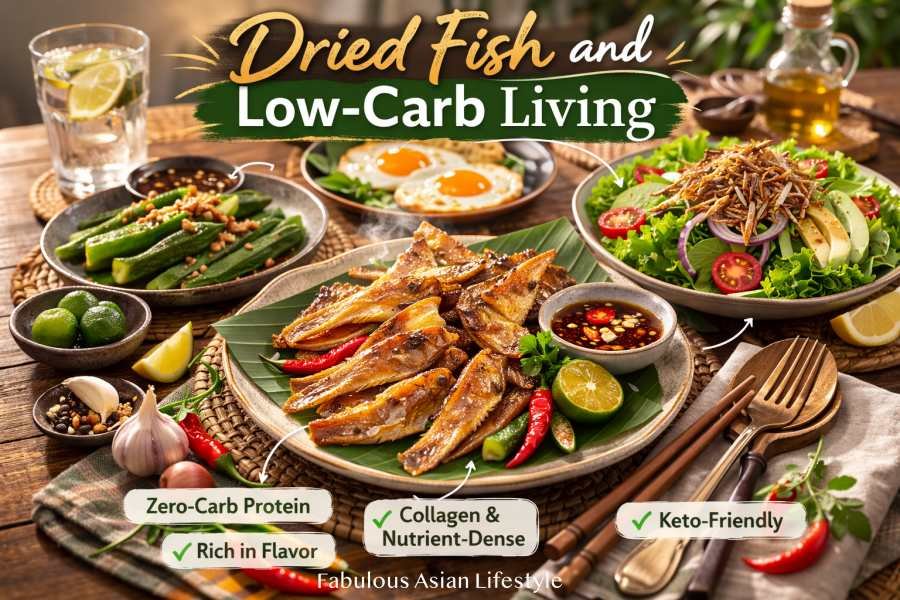
Dried Fish and Low-Carb Living
Table of Contents
Dried Fish and Low-Carb Living: A Practical, Research-Backed Guide (from my kitchen to yours)
I’m a low-carber who prefers keeping things real, practical, and grounded in experience — not hype. Lately, I’ve been enjoying dried fish (daing or tuyo) as an occasional protein and flavor booster. It’s salty, deeply savory, and essentially zero-carb.
But this topic came up recently because a friend of mine is actually afraid to eat dried fish. He told me his doctor said that salt and sugar are basically the same as far as his diabetes is concerned. Honestly, that was the first time I’d ever heard that idea. So I did what I usually do — I asked my own doctor. She had a different view.
I also paid attention to my own body. Every time I eat dried fish, I test my blood sugar — and so far, I haven’t seen any spike at all.
That curiosity pushed me to dig into the science, compare perspectives, and better understand how dried fish fits into low-carb living. What follows is what I learned — and how I now use dried fish wisely, without fear and without excess.
Quick bottom line (so you can snack or skip)
- Dried fish is keto/low-carb friendly (virtually zero carbs, high protein) and can help with flavor and satiety.
- Salt is the real issue — daing or tuyo is sodium-dense, so use it as an occasional condiment rather than your main electrolyte source.
- Does it raise blood sugar? Not directly — it has negligible carbs. But very high sodium diets have been associated with insulin resistance and higher diabetes risk in some studies, so moderation and monitoring matter, especially for people with diabetes.
Why dried fish makes sense for low-carbers
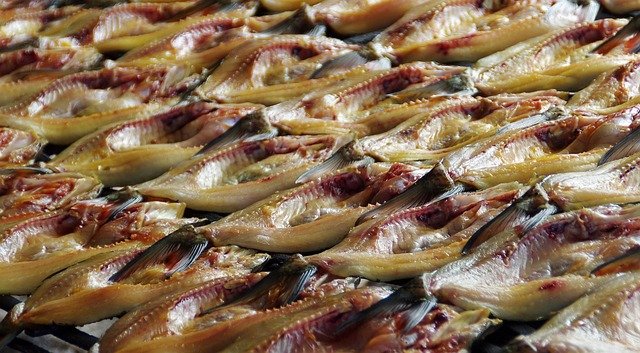
As a low-carber I focus on protein, healthy fats, and keeping carbs low. Dried fish fits that profile: it’s protein-rich, low in carbs, and packed with umami. For many cultures, daing or tuyo are also a dense source of micronutrients (calcium, phosphorus, some B vitamins) because you’re often consuming whole, small fish or fish powders where bones and organs remain. That matters when you want nutrient density on a low-carb plate.
Sodium: why low-carbers need to think differently
When you go low carb, your kidneys excrete more water and sodium, especially in the early days. That’s why many of us use electrolyte drinks or add salt to food to avoid headaches, cramps, and fatigue. Authoritative keto and clinical resources recommend monitoring electrolytes and not ignoring sodium entirely.
So yes — salt is not “the enemy” for low-carbers. It’s necessary. The question is how much and where it comes from. Dried fish can be a concentrated and convenient source of sodium — which is useful — but it’s best used deliberately and in moderation.

The diabetes question: can dried fish increase blood sugar?
Short answer: daing or tuyo itself will not spike blood glucose because it contains negligible carbohydrates. However, the relationship between high sodium intake and insulin resistance / diabetes risk is a subject of scientific study and not fully settled.
- Several controlled and observational studies have shown associations between high sodium intake and markers of insulin resistance (and some evidence of higher diabetes risk in large cohorts). These findings suggest excessive sodium may worsen metabolic health in certain contexts.
- Other studies are mixed — some show no effect or context-dependent effects. Overall, the evidence suggests moderation: don’t assume salty food is harmless simply because it has no carbs. If you have diabetes or metabolic syndrome, discuss sodium targets with your clinician and monitor your blood glucose and blood pressure.
So: dried fish ≠ instant sugar spike. But over-relying on sodium-dense foods could—over time and in certain people—contribute to metabolic strain. Keep it occasional, paired with vegetables and fluids, and test if you’re worried.
Dried Fish | Nutrition & contamination concerns: what to watch for
They can be nutritious (protein, minerals, omega-3s in some species), but processing and safety vary widely:
- Heavy metals and contaminants: Some studies have found elevated heavy metals in dried fish samples depending on species and location — rinse and source carefully.
- Preservatives or added salt: Commercially processed daing or tuyo sometimes uses extra preservatives or very high salt; read labels where possible.
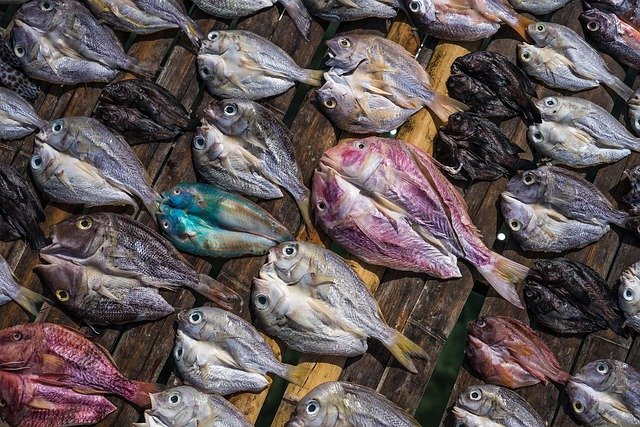
- Microbial and toxin risks: Improper drying and storage can cause quality/safety issues; buy from reputable sources or dry/process at home with good hygiene.
How often should a low-carber eat dried fish?
My personal rule (and practical guidance based on sodium content and balance):
- 1–3 small servings per week as a condiment or side — not as your primary protein every day. This gives the flavor and nutrient boost without long runs of excess sodium.
- If you have hypertension, kidney disease, or are salt-sensitive, cut back further and follow your clinician’s advice. Agencies vary on sodium targets (some suggest <2,300 mg/day; others recommend tighter limits for certain patients), so individualized guidance matters.
Practical safety & selection tips (how I do it)
I’m picky because I want flavor and safety:
- Choose reputable sources. Buy from trusted sellers or brands that list ingredients and mention no harmful preservatives.
- Inspect and smell. Fresh-smelling, not musty. Avoid products with odd discoloration.
- Rinse lightly before cooking. This reduces surface salt and dust.
- Soak briefly if extremely salty. A short soak and quick drain can make a salty piece manageable.
- Use as a flavoring, not the base. Pair with low-carb veg, eggs, or proteins — keep portions small.
- Rotate foods. Don’t rely on one food for all nutrients or sodium — rotate with other protein sources.

Dried Fish Cooking & serving ideas for the low-carber
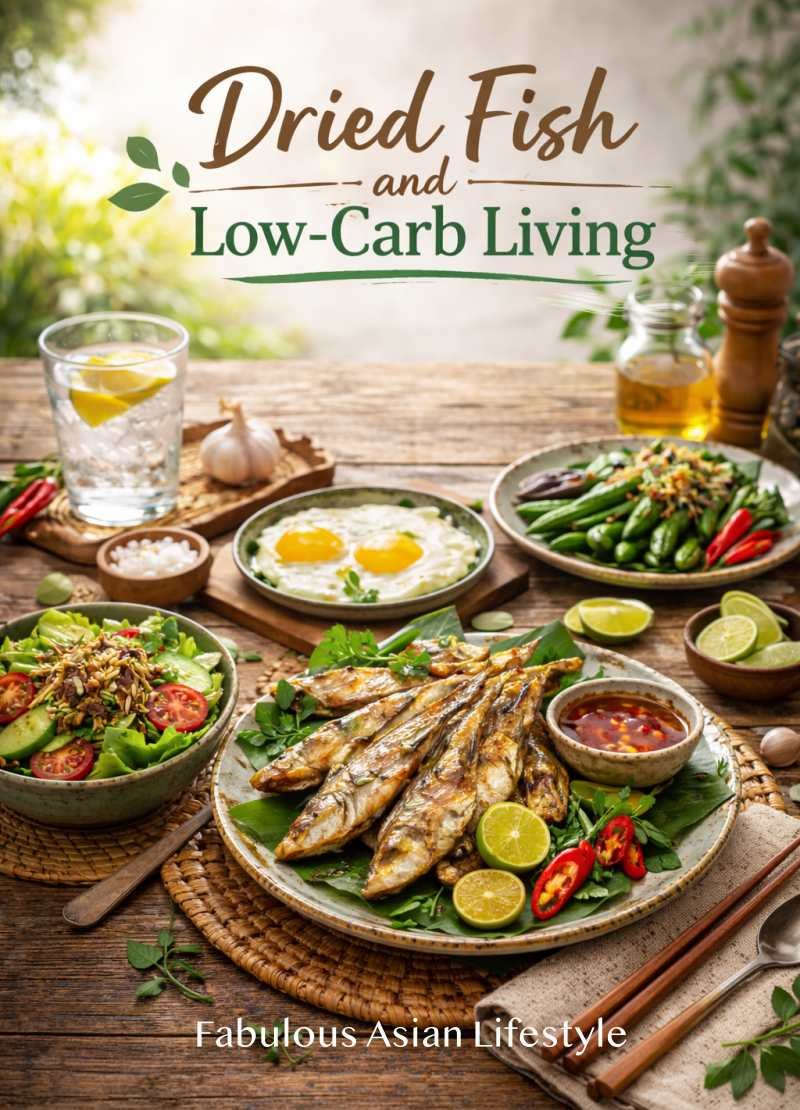
- Shred small daing or tuyo into a stir-fried cabbage or sautéed greens.
- Crumble over salads or roasted vegetables as an umami garnish.
- Pair with avocado or eggs for a satisfying low-carb plate.
These approaches keep the flavor but limit sodium per serving.
If you have diabetes — specifics to consider when eating Dried Fish
- Test & observe. If you have diabetes, test your blood glucose after a meal containing dried fish. Most likely you won’t see a spike from the dried fish itself, but note how the whole meal behaves.
- Watch total sodium intake. Observational studies have linked frequent added salt with increased diabetes risk; while not proof of causation, it’s a signal to be cautious.
- Consult your clinician. They may recommend specific sodium caps or monitoring strategies based on your blood pressure, kidney function, and glycemic control.
Final practical checklist (my short, usable rules)
- Dried fish = keto-friendly, use occasionally.
- Rinse / soak to reduce surface salt.
- Pair with vegetables and water/broth for balance.
- If you have diabetes, hypertension or kidney disease — get personalized advice and monitor.
References (research + government sources )
- 1. Dried small fish as nutrient-dense foods
Byrd, K.A., et al. (2021). Dried small fish provide nutrient densities important for the first 1000 days.
https://pmc.ncbi.nlm.nih.gov/articles/PMC8476445/ - 2. Processing, safety, and quality of dried fish
Fitri, N., et al. (2022). A Comprehensive Review on the Processing of Dried Fish. Foods (MDPI).
https://www.mdpi.com/2304-8158/11/19/2938 - 3. Sodium intake and insulin sensitivity
Donovan, D.S., et al. (1993). Effect of sodium intake on insulin sensitivity.
https://pubmed.ncbi.nlm.nih.gov/8498495/ - 4. Dietary salt and diabetes risk
Lin, Y., et al. (2021). Association Between Dietary Salt Intake and Risk of Type 2 Diabetes.
https://pmc.ncbi.nlm.nih.gov/articles/PMC8699762/ - 5. Heavy metals in dried fish
Rakib, M.R.J., et al. (2021). Health risk assessment of heavy metals in dried fish.
https://pmc.ncbi.nlm.nih.gov/articles/PMC8290005/ - 6. Ketogenic diet and electrolyte considerations
NCBI Bookshelf – Ketogenic Diet.
https://www.ncbi.nlm.nih.gov/books/NBK499830/ - 7. Nutrient composition of fish and seafood
USDA FoodData Central
https://fdc.nal.usda.gov/ - 8. Sodium intake and metabolic effects (overview of evidence)
He, F.J., et al. Salt intake, insulin resistance, and cardiovascular risk.
https://pubmed.ncbi.nlm.nih.gov/9324100/
More Stories
- Spicy Keto Chicken Feet Recipe : High-Collagen, Low-Carb
- Creamy Parmesan Crunch Salad Recipe | Health Benefits
- Dried Mushrooms Health Benefits, Healing Properties
- Negros Power Rate Reduction for February 2026
- Motivation to Travel: Understanding What Drives People to Explore
- HOW TO STAY LOOKING YOUNG IN YOUR 40’s
- HOW TO GET RID OF BLACKHEADS
- SWIMSUITS FOR WOMEN | FASHION GUIDE
- SKINCARE ROUTINE FOR OILY SKIN
- Say YES to the JVA! | Joint Venture Agreement – Primelectric and CENECO
- Marketing and Entrepreneurship Department Teambuilding [USLS]
- Kimono: Unveiling the Timeless Elegance and Cultural Significance
- Quan Delicacies | Party Bilao: Elevating the Delight of Native Flavors