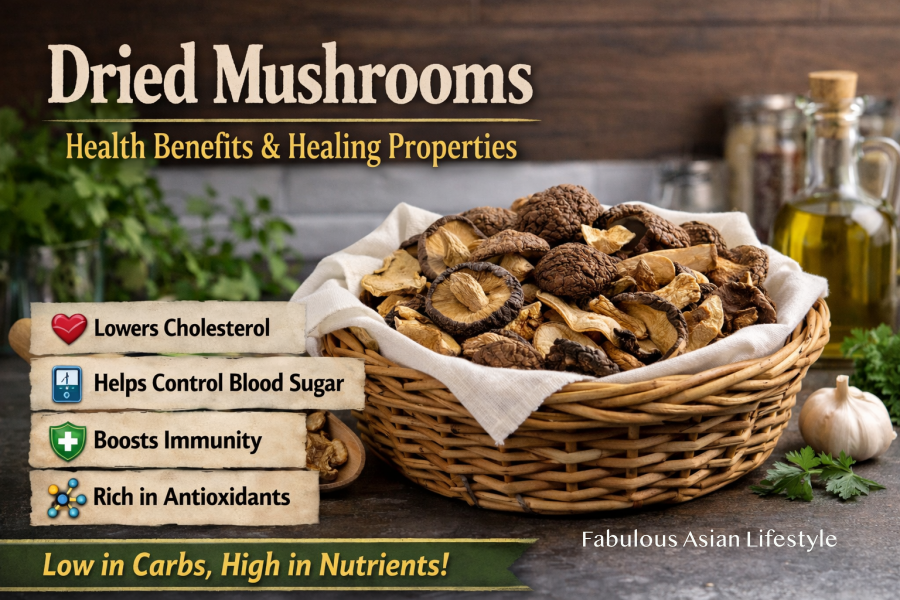
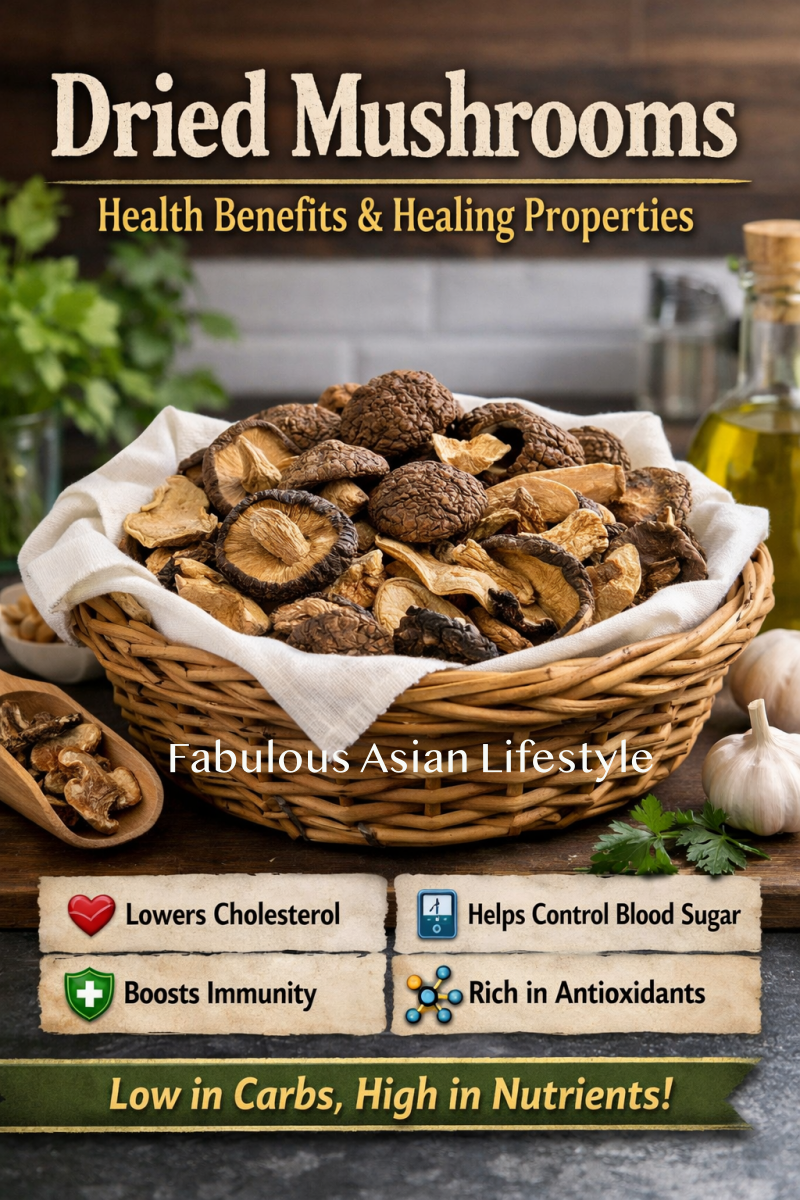
Dried Mushrooms Health Benefits, Healing Properties
Table of Contents
The Truth About Dried Mushrooms — Health Benefits, Healing Properties, and How to Eat Them (My Low-Carb, Diabetes + Cholesterol Perspective)
I’ll be honest with you — as someone living a low-carb lifestyle while battling high cholesterol and diabetes, I’m always looking for foods that are nutritious, low in calories, and naturally beneficial to metabolic health. One food that consistently comes up in research and kitchen experiments alike is mushrooms — especially the dried ones.
But what are dried fungi really, are they better than fresh, and should you eat them regularly? Let’s break it down in plain terms.
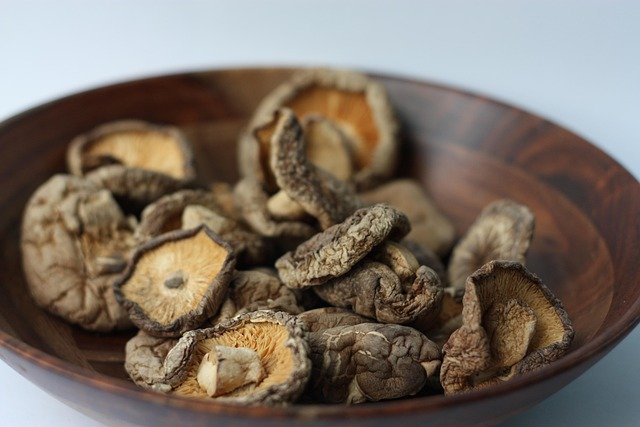
What Makes Them So Healthy (Even Dried Ones)? [ Dried Mushrooms Health Benefits, Healing Properties ]
Mushrooms aren’t technically vegetables — they’re a kind of fungus — but they’re one of the most *nutrient-rich foods you can add to your diet.
Key Nutrients & Bioactive Compounds
- Beta-glucans: a type of soluble fiber linked to improved cholesterol and immune support.
- Antioxidants (ergothioneine & glutathione): protect cells from oxidative damage tied to diabetes, inflammation, aging, and heart disease.
- B vitamins (niacin, riboflavin): help with energy metabolism.
- Minerals (selenium, potassium, copper): support heart, nerve, and immune health.
- Prebiotic polysaccharides: feed good gut bacteria.
Low calories, low carbs, no cholesterol, no added fat — that’s why I always look at these foods first when I want a nutrient bump without blood sugar spikes.
Potential Health Effects Supported by Research
Lower risk of early mortality: Higher consumption is linked to lower all-cause mortality risk in adults.
Better cholesterol and blood sugar profiles: Clinical evidence suggests mushrooms may improve glucose and lipid levels in humans.
Anti-inflammatory and antioxidant effects: Studies show that these foods can reduce inflammation and oxidative stress.
Dried vs Fresh — What’s the Real Deal? [ Dried Mushrooms Health Benefits, Healing Properties ]
If you’re wondering whether drying them hurts their nutrients, here’s the honest explanation:
✔️ What Drying Does
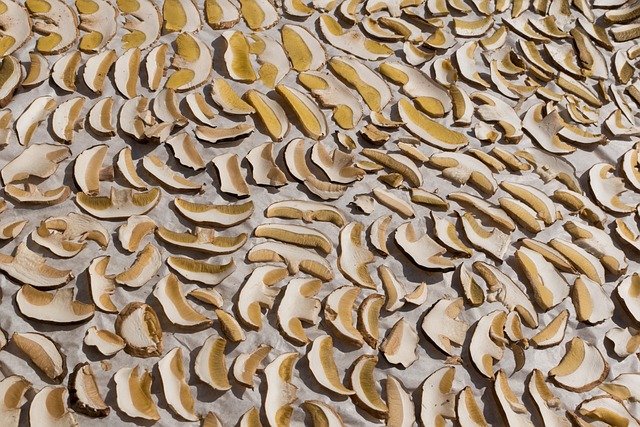
When mushrooms are dried, their water is removed, concentrating the nutrients. That means per gram, dried ones appear richer in protein, fiber, and minerals than fresh ones.
Drying also extends shelf life, intensifies flavor, and makes storage easier — especially if you want to stock up for soups, teas, or powders.
⚠️ What Might Be Lost
Some heat-sensitive nutrients such as vitamin C and certain antioxidants can degrade during drying — though other beneficial compounds like beta-glucans and phenolics may actually become more concentrated.
Bottom line: dried fungi can be more nutrient-dense by weight, but fresh mushrooms may have more of some fragile micronutrients. Both have value — and in my kitchen, dried mushrooms are the most useful because they last and are easy to dose.
Ways to Include Them in Your Diet [ Dried Mushrooms Health Benefits, Healing Properties ]
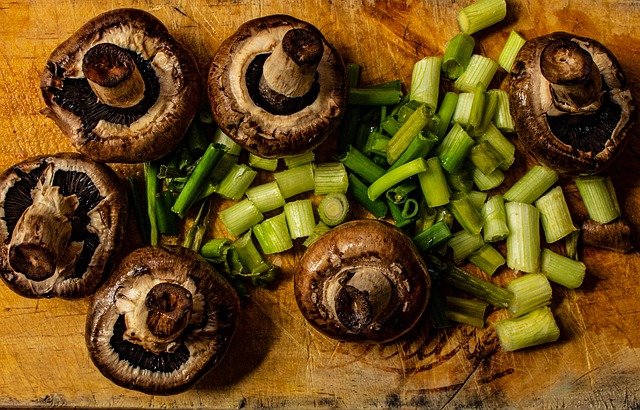
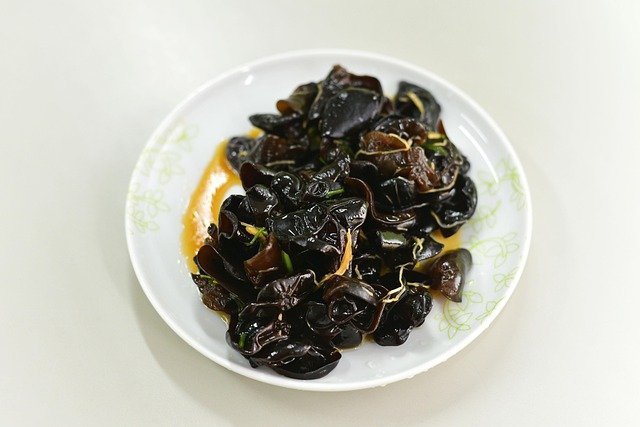
Here are simple, practical ways I use dried fungi in my low-carb meals:
🥣 1. Rehydrate for Soups & Broths
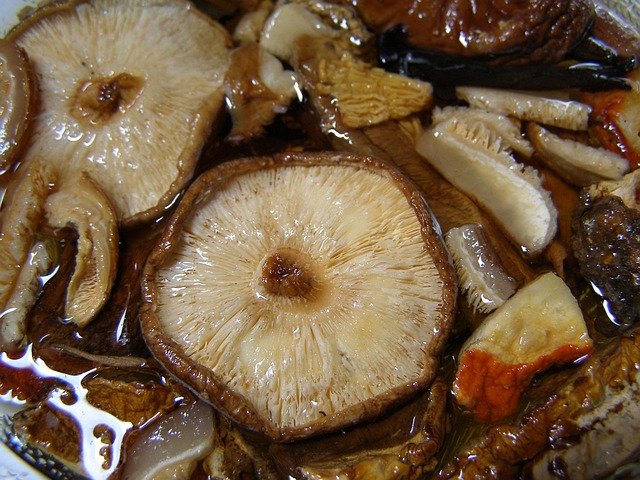
Soak dried shiitake or porcini in warm water for 20 minutes, then use both the mushrooms and the mushroom-infused broth for flavor and nutrients.
🥘 2. Stir-Fries & Curries
Toss rehydrated fungi into cauliflower rice stir-fries, Thai green curries, or vegetable mixes for umami depth.
🍲 3. Mushroom Powder Boost
Grind dried varieties into a powder — this goes great in sauces, soups, or even soups stirred into eggs for a savory boost.
🥓 4. Meat Substitute Texture
Because of their umami and “meaty” texture, mushrooms make fantastic low-carb stand-ins for ground meat in dishes like tacos or Bolognese.
🍵 5. Functional Teas
Some medicinal mushrooms (like reishi) make great teas — especially when I want immune support during seasonal changes.
How Much Should You Eat Per Week? (Real Talk) [ Dried Mushrooms Health Benefits, Healing Properties ]
Most research that associates fungi eating with lower chronic disease risk involves moderate consumption, not huge doses. A few servings per week seems to be linked with benefits.
There isn’t a strict scientific weekly maximum for dried fungi, but a reasonable range could be:
✅ 2–5 servings per week (where a serving = ~½ cup cooked mushrooms or a handful of rehydrated dried).
More occasionally is fine — but I wouldn’t recommend daily medicinal doses unless guided by your physician.
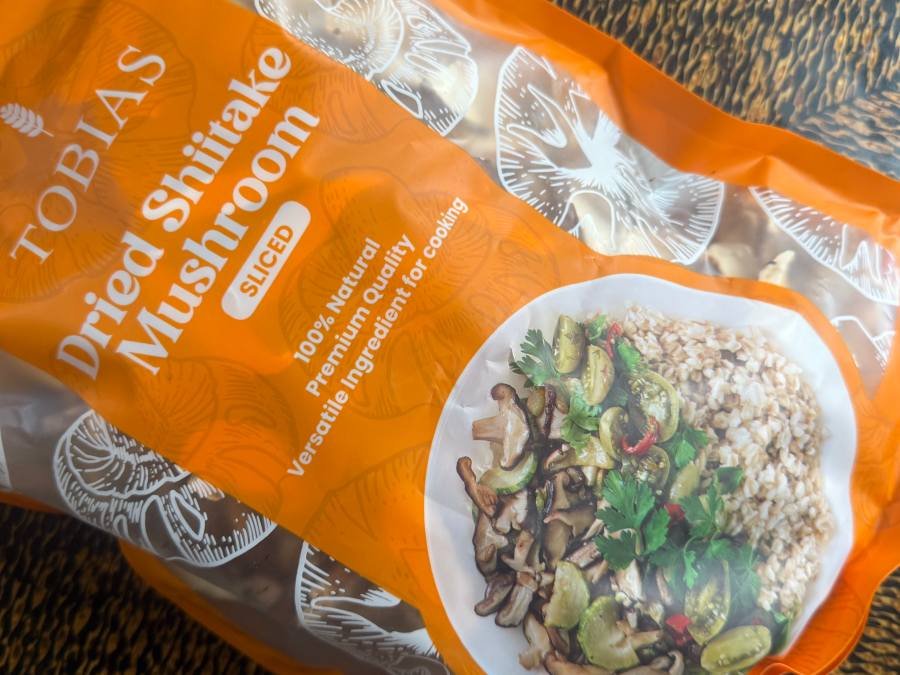
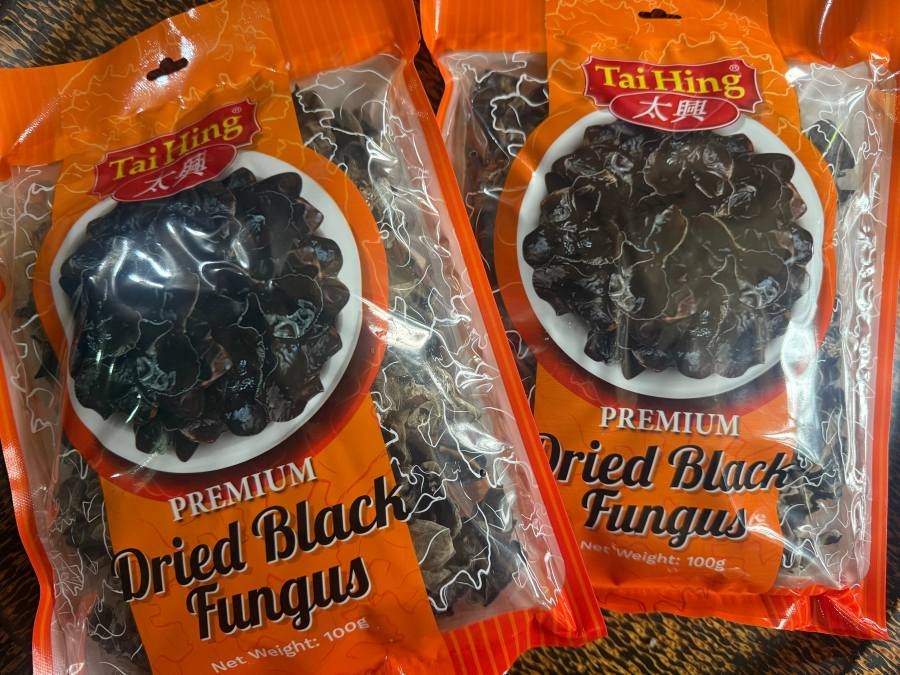
What to Avoid or Be Careful With [ Dried Mushrooms Health Benefits, Healing Properties ]
Before you go crazy with fungi powders and tinctures, here are important cautions:
❌ 1. Avoid Wild Mushrooms Unless You’re an Expert.
Some wild species are toxic and can cause serious illness or death. Always buy from trusted vendors.
❌ 2. Be Careful With Supplements.
Fungi extracts and coffees sometimes claim too much benefit — and can interact with medications, especially blood sugar or blood thinning drugs.
❌ 3. Some People Have Sensitivities
Even edible fungi can cause gas, nausea, or allergies in some folks — especially if eaten in high amounts suddenly.
❌ 4. Not a Replacement for Medical Care
If you have medications for cholesterol or diabetes, don’t skip them just because you eat mushrooms. Think of these food as supportive food, not a cure.
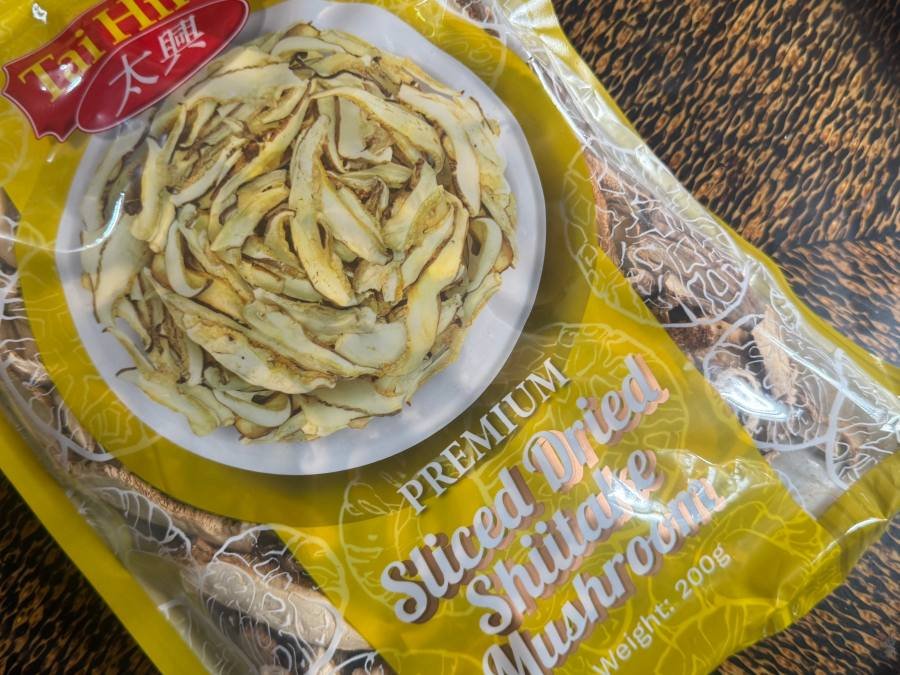
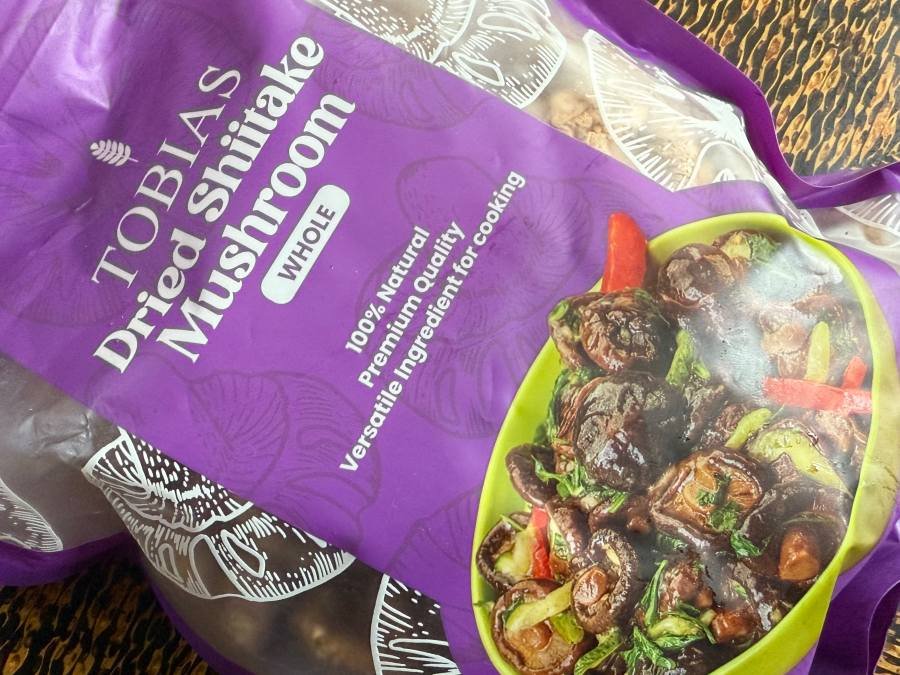
Final Thoughts — Are They Worth It? [ Dried Mushrooms Health Benefits, Healing Properties ]
From my experience — and backed by solid science — free dried fungi have a place in whatever healthy diet you want:
✨ They’re nutrient-dense, low-calorie, and great for blood sugar and cholesterol support.
✨ They make cooking exciting and flavorful without adding carbs.
✨ They offer unique antioxidants few other foods provide.
But like everything, balance matters — eat a variety of foods, don’t rely on one miracle ingredient, and always check with health professionals if you have specific conditions or medications.
References
- 7 Health Benefits of Mushrooms (UCLA Health)
- Meta‑analysis: Mushroom Consumption & Mortality Risk
- Mushroom Consumption & Cardiometabolic Health Review
- Mushrooms: The Nutrition Source (Harvard)
- Five Health Benefits of Mushrooms (Cedars‑Sinai)
- Fresh vs Dried Mushrooms Comparison
- Do Dried Mushrooms Lose Nutrients?
- Dietary Mushrooms & Chronic Disease Risk Review
- Mushrooms & Food Pathogen Risk
- 8 Potential Side Effects of Mushroom Coffee
- 8 Ways Mushrooms Enhance Health
More Stories
- Crispy Chicken High-Protein Low-Carb Salad Recipe
- Strawberry Chia Comfort Cup | Low Carb Dessert Recipe
- Phone‑First Photography: For Social Media & E‑commerce
- Gen X Childhood: Why I Am Who I Am Today ( Part 1 )
- Kristin’s Steakhouse | Ending the Day With Steak
- Ship Shops: Still Floating After 25 Years
- NEPC Holds IEC Activity for Bacolod City Vendors
- CEBU TOURIST SPOTS | THINGS TO DO
- FOOD PRESENTATION IDEAS | THAILAND
- 25 THINGS TO DO IN CAMBODIA | TOURIST SPOTS
- BEST OF THE BESTS: Top Colorful Festivals in the Philippines
- Egg Facial Mask: A Nourishing and Rejuvenating Skincare Treatment
- Mayonnaise Hair Treatment: DIY Bonding Session for Luscious Locks
- Compassion: A Path to Fabulous Living and Lasting Legacies
- Haters Gonna Hate, Learn from Them | Stay Fabulous!