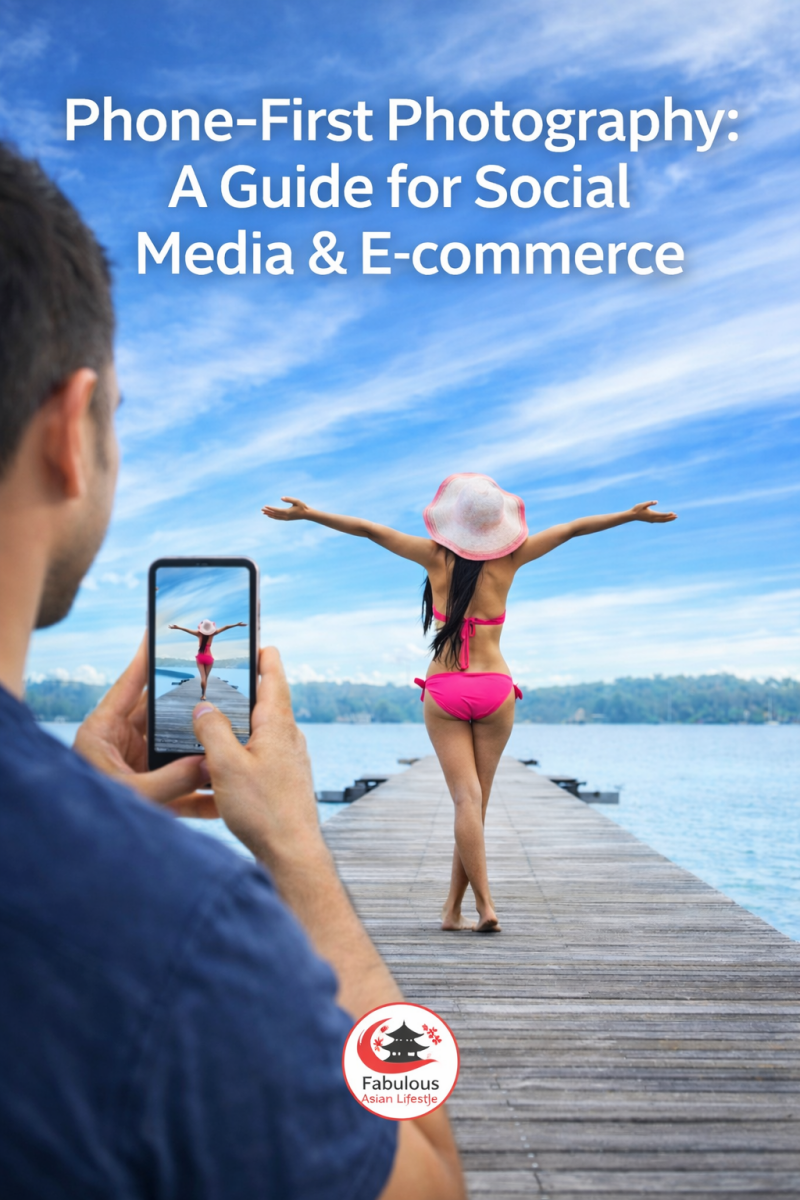
Phone‑First Photography
Table of Contents
Phone‑First Photography: A Guide for Social Media & E‑commerce
Phone‑First Photography: Why it matters for student ecommerce projects
For most students today, the phone is not just a communication tool — it is the primary camera. In ecommerce and digital marketing projects, photos taken using phones already dominate social media feeds, online shops, and small business websites. What matters is not the camera brand, but how intentionally the photo is planned, shot, and used.
Research consistently shows that high‑quality visuals increase trust, engagement, and purchase intention. Product images and overall site aesthetics significantly influence consumer perception and conversion behavior, especially in online environments where buyers cannot physically touch products (ACM Digital Library, 2024). Well‑chosen contextual images — not just clean catalog shots — have been shown to nearly double conversion performance compared to generic visuals.
For students building ecommerce projects, photography is not decoration. It is strategy.
This article is written the way I explain photography in class: practical, phone‑first, and directly connected to social media performance and ecommerce results.
Objectives
After reading this article, students should be able to:
- Use a smartphone intentionally as a professional photography tool
- Identify which type of photo is needed for a specific ecommerce or social media purpose
- Apply lighting, composition, focus, and background control using a phone
- Produce multiple photography categories for one product or brand
- Prepare images correctly for websites and social media platforms
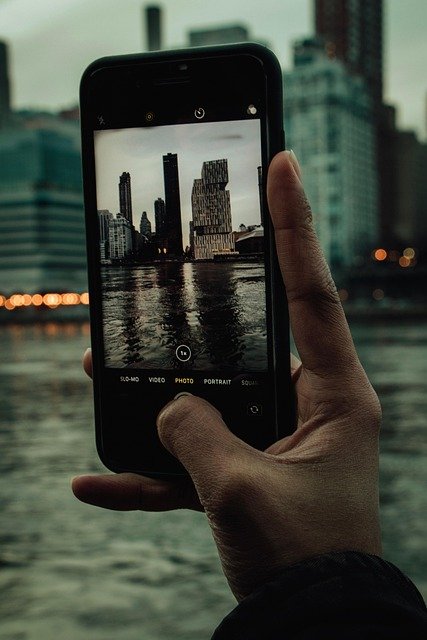
Part I: Core principles (Phone‑First Photography)
1. Understanding your phone camera
Modern smartphones are capable of producing publishable images when used correctly.
Key practices:
- Always shoot at the highest resolution available
- Enable grid lines for composition
- Lock focus and exposure when shooting products
- Use RAW mode if available, especially for product photography
Phones automatically optimize images, but this can cause inconsistency. Locking exposure and focus ensures uniform brightness across product photos — critical for ecommerce listings.

2. Light: the most important element
Light determines quality more than any camera specification.
Best practices for students:
- Use natural window light whenever possible
- Avoid harsh midday sun
- Position light at a 45‑degree angle to reveal texture
- Use simple reflectors (white paper or cardboard) to fill shadows
For products, even lighting improves clarity and reduces returns caused by misleading shadows or colors. Shopify’s ecommerce photography guidelines emphasize lighting consistency as one of the strongest contributors to professional‑looking catalogs.

Phone‑First Photography
3. Composition and framing
Composition controls how viewers understand a photo.
Key concepts students must apply:
- Clear subject dominance
- Rule of thirds
- Use of negative space
- Balanced spacing in flat lays
If a viewer cannot identify the subject within two seconds, the photo fails its purpose.

4. Focus, sharpness, and depth
Phones rely heavily on software for focus and depth.
Student reminders:
- Always tap to focus on the main subject
- For portraits, focus on the eyes
- For products, prioritize sharp detail over artificial blur
- Use stabilization (table, tripod, wall) in low light
Depth of field should support clarity, not distract from it.
5. Background control
Backgrounds can either support or sabotage a photo.
For ecommerce:
- Use clean, neutral backgrounds for catalog shots
- Use contextual backgrounds for lifestyle images
Studies published in the ACM Digital Library confirm that contextual product imagery improves consumer understanding and conversion compared to isolated product photos alone.

Part II: Types and categories of photography ( Phone‑First Photography )
Photography categories should be understood by purpose, not by labels. A single ecommerce project requires multiple categories working together.
Phone‑First Photography
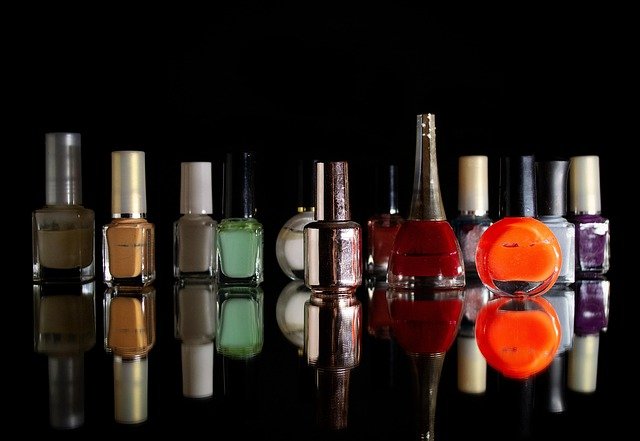
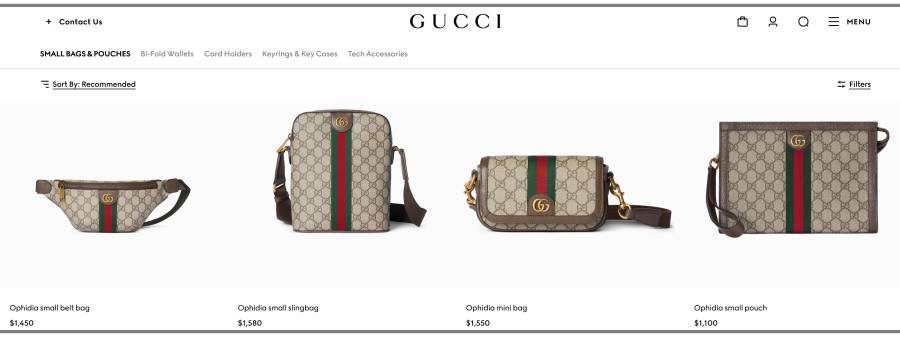
1. Product photography
Used for: Ecommerce websites, online catalogs, marketplaces
Phone tips:
- Use diffused natural light
- Maintain consistent distance and angle
- Lock exposure to keep brightness uniform
If customers cannot clearly see what they are buying, no amount of marketing copy will save the sale.

Phone‑First Photography
2. Lifestyle photography
Used for: Social media, landing pages, ads
Definition:
Lifestyle photography is a style of photography that captures products being used in real-life situations, showing them in natural, relatable environments and everyday scenarios.
Purpose: Show How the Product Fits into Real Life
The main goal of lifestyle photography is to help audiences imagine themselves using the product. Instead of focusing only on the item, it emphasizes the experience, mood, and context surrounding it.
Key Characteristics:
- Real people or models interacting with the product
- Natural-looking lighting and environments
- Emotion-driven storytelling
- Candid or lightly posed compositions
- Focus on atmosphere as much as the product
Why It Matters:
- Creates emotional connection with viewers
- Makes products feel practical and desirable
- Helps customers visualize ownership and usage
- Strengthens brand identity and personality
- Performs well on social media and digital ads
Example:
A coffee mug photographed on a kitchen table beside a laptop and notebook suggests a cozy morning routine—showing not just the mug, but the lifestyle it represents.
In essence, lifestyle photography sells the experience around the product, not just the product itself.
Phone tips:
- Shoot during golden hour or near windows
- Include hands, people, or environment
- Avoid overly staged scenes
Authenticity consistently outperforms perfection on social media.

Phone‑First Photography
3. Portrait photography
Used For
- Personal and professional branding
- Company websites and corporate profiles
- Social media profiles and covers
- Editorial and magazine features
- Marketing and advertising materials
- Team, staff, and speaker profiles
Definition:
Portrait photography focuses on capturing the personality, expression, and character of a person or group of people. It aims to show who they are, not just what they look like.
Purpose: Human Connection and Trust
The main goal of portrait photography is to create a sense of connection between the subject and the viewer. A well-made portrait makes people feel familiar, relatable, and trustworthy—especially important for personal brands, entrepreneurs, and professionals.
Key Characteristics:
- Emphasis on facial expression and eyes
- Thoughtful lighting that flatters the subject
- Simple or meaningful backgrounds
- Natural or purposeful posing
- Clear focus on the person
Why It Matters:
- Builds credibility and authenticity
- Humanizes brands and businesses
- Helps audiences relate to the person behind the product or service
- Strengthens personal and professional branding
- Increases engagement on websites and social platforms
Example:
A business owner photographed in their workspace, smiling naturally, communicates approachability and confidence—making clients more likely to trust and connect.
In short, portrait photography puts a human face to a story, building emotional connection and confidence.
Phone tips:
- Use window light from the side
- Avoid overhead lighting
- Watch portrait‑mode edge errors
A well‑lit phone portrait builds more trust than an expensive camera used poorly.

Phone‑First Photography
4. Flat lay photography
Used For
- Product showcases and collections
- E-commerce listings
- Social media posts and stories
- Website banners and hero images
- Branding and campaign visuals
- Catalogs and lookbooks
Definition:
Flat lay photography is a style where objects are arranged and photographed from directly above, creating a top-down view that emphasizes layout, balance, and design.
Purpose: Clean Presentation and Visual Organization
The main goal of flat lay photography is to present items in a neat, visually pleasing, and well-organized way. It helps viewers quickly understand what is included, how items relate to each other, and the overall aesthetic.
Key Characteristics:
- Top-down (bird’s-eye) perspective
- Carefully arranged composition
- Consistent color palette
- Minimal clutter
- Even, soft lighting
Why It Matters:
- Makes products easy to view at a glance
- Highlights details and styling choices
- Creates strong visual impact for social media and websites
- Reinforces brand aesthetic
- Works well for collections or sets
Example:
A neatly arranged flat lay of a notebook, pen, coffee cup, and phone on a neutral background creates a clean workspace story—simple, organized, and visually appealing.
Flat lay photography turns simple objects into a carefully composed visual layout that feels intentional and polished.
Phone tips:
- Shoot directly overhead
- Keep spacing intentional
- Use even lighting
Flat lays reward discipline. Small alignment mistakes reduce perceived professionalism.

Phone‑First Photography
5. Detail / macro photography
Used for: Product pages, zoom views
Definition:
Detail or macro photography focuses on capturing close-up images that reveal small features and fine textures that are not easily seen with the naked eye.
Purpose: Highlight Quality and Craftsmanship
The main goal of detail/macro photography is to showcase the workmanship, materials, and precision behind a product. These close-up views communicate quality, care, and attention to detail.
Key Characteristics:
- Extreme close-ups or tight framing
- Sharp focus on specific features
- Shallow depth of field to isolate details
- Controlled lighting to reveal texture
- High-resolution images
Why It Matters:
- Demonstrates superior craftsmanship
- Builds trust in product quality
- Helps justify premium pricing
- Reduces buyer doubt
- Shows what makes a product special
Example:
A close-up shot of hand-stitched leather seams clearly shows the precision and durability of a handmade bag.
Detail/macro photography lets customers see the story of quality in the smallest elements.
Phone tips:
- Use macro mode if available
- Add light instead of zooming
- Stabilize the phone
Detail shots justify pricing and reduce customer hesitation.

Phone‑First Photography
6. Branding photography
Used for: Websites, banners, social feeds
Definition:
Branding photography is a type of photography focused on creating a cohesive set of images that visually represent a brand’s personality, values, and style.
Purpose: Create a Consistent Visual Identity
The main goal of branding photography is to ensure that all visual content looks and feels unified across platforms. This consistency helps audiences instantly recognize and remember the brand.
Key Characteristics:
- Consistent color palette and styling
- Planned concepts aligned with brand personality
- Mix of portraits, products, lifestyle, and details
- Cohesive lighting and composition
- Intentional visual storytelling
Why It Matters:
- Strengthens brand recognition
- Builds professionalism and credibility
- Creates a polished online presence
- Supports marketing and campaigns
- Makes brands more memorable
Example:
A café using the same warm tones, cozy interiors, and candid customer moments across its photos creates a recognizable and inviting brand look.
Branding photography turns visuals into a unified brand language.
Branding photos include:
- Workspace images
- Packaging shots
- Mood and color‑based visuals
Consistency matters more than creativity here.
Phone‑First Photography
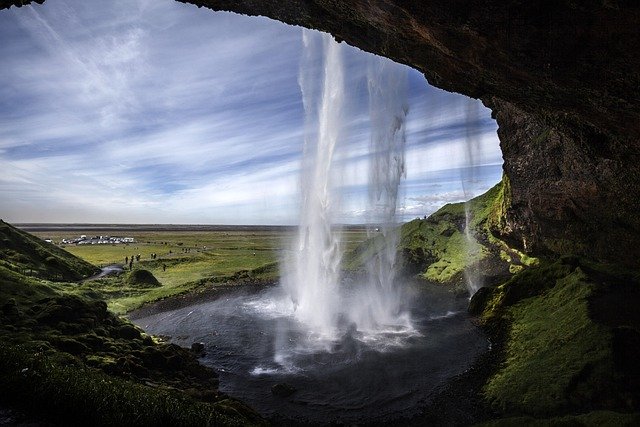
7. Travel and location photography
Used for: Blogs, tourism‑based branding, lifestyle ecommerce
Definition:
Travel and location photography captures places, environments, and surroundings in a way that tells a story about where something comes from or where an experience happens.
Purpose: Story, Origin, and Context
The main goal of travel and location photography is to give viewers a sense of place. It adds depth by showing the environment, culture, and setting connected to a product, brand, or experience—making it more meaningful and authentic.
Key Characteristics:
- Wide or environmental shots
- Emphasis on scenery and atmosphere
- Natural lighting whenever possible
- Strong sense of place and mood
- Visual storytelling
Why It Matters:
- Adds authenticity and credibility
- Tells the story behind the product or brand
- Creates emotional connection through place
- Strengthens brand narrative
- Makes content more immersive
Example:
A handcrafted basket photographed in a rural workshop or village setting communicates its cultural roots and handmade origin.
Travel and location photography gives products and brands a “home,” turning them into stories rather than just objects.
Phone tips:
- Capture wide, medium, and detail shots
- Include people for scale
- Avoid excessive wide‑angle distortion
Location adds narrative value, especially for local products.

Phone‑First Photography
8. Social media content photography
Used for: Instagram, Facebook, TikTok thumbnails
Definition:
Social media content photography is created specifically for digital platforms, focusing on eye-catching visuals that perform well on feeds and stories.
Purpose: Stop the Scroll
The main goal is to capture attention instantly. Images must be visually striking enough to make users pause, look, and engage.
Key Characteristics:
- Bold composition and framing
- Strong colors or contrast
- Clear subject focus
- Platform-friendly orientation (square, vertical, horizontal)
- Trend-aware styling
Why It Matters:
- Increases engagement (likes, comments, shares)
- Boosts brand visibility
- Drives traffic and conversions
- Supports campaigns and promotions
Example:
A bright, high-contrast photo of a product in action with minimal text overlay designed for Instagram.
Social media content photography is all about creating images that make people stop scrolling and start paying attention.
Phone tips:
- Shoot vertical formats
- Leave space for text overlays
- Emphasize color and contrast
A photo that works on a website may not work on social media — and that is normal.

Phone‑First Photography
9. Documentary / behind‑the‑scenes photography
Used for: Social media, brand storytelling
Definition:
Documentary or behind-the-scenes photography captures real moments as they naturally happen, showing processes, people at work, and everyday activities without heavy staging.
Purpose: Authenticity and Transparency
The main goal of documentary/behind-the-scenes photography is to show the truth behind a product, brand, or project. It allows audiences to see the effort, people, and process involved—building honesty and trust.
Key Characteristics:
- Candid, unstaged moments
- Natural lighting and environments
- Focus on process and action
- Minimal posing or direction
- Story-driven sequences
Why It Matters:
- Builds trust and credibility
- Humanizes brands
- Shows effort, passion, and craftsmanship
- Makes audiences feel included
- Strengthens emotional connection
Example:
A photo of artisans sanding, carving, or assembling products in a workshop shows the real work behind each finished piece.
Documentary/behind-the-scenes photography reveals the story behind the product—honest, raw, and real.
Phone tips:
- Capture real moments
- Avoid heavy editing
- Focus on process, not perfection
Trust grows when customers see how things are made.

Phone‑First Photography
10. Conceptual / creative photography
Used for: Campaigns, feature posts, ads
Definition:
Conceptual or creative photography uses ideas, themes, and visual metaphors to communicate a message rather than simply showing what a product looks like.
Purpose: Brand Differentiation
The main goal of conceptual/creative photography is to make a brand stand out. It expresses identity, values, and personality through imaginative visuals that are memorable and distinctive.
Key Characteristics:
- Strong visual concept or theme
- Symbolism and storytelling
- Stylized lighting and composition
- Artistic direction
- Unique perspectives
Why It Matters:
- Sets a brand apart from competitors
- Creates strong visual identity
- Encourages emotional and intellectual engagement
- Makes campaigns more memorable
- Supports branding and advertising efforts
Example:
A watch photographed emerging from water to symbolize durability and timelessness communicates more than just design—it tells a story.
Conceptual/creative photography transforms products into ideas, helping brands be remembered, not just seen.
Phone tips:
- Plan concepts before shooting
- Use minimal props
- Keep the product readable
Creativity should clarify, not confuse.

Part III: Phone‑First Photography | Editing and optimization for ecommerce and social media
Editing workflow (phone‑based)
- Import and select the best images
- Correct exposure, contrast, and white balance
- Remove distractions
- Apply consistent color tone
Export standards
- Ecommerce catalog: 2048 × 2048 px, compressed
- Instagram feed: 1080 × 1080 or 1080 × 1350
- Stories/Reels: 1080 × 1920
- Proper sizing improves load speed and engagement.
Phone‑First Photography
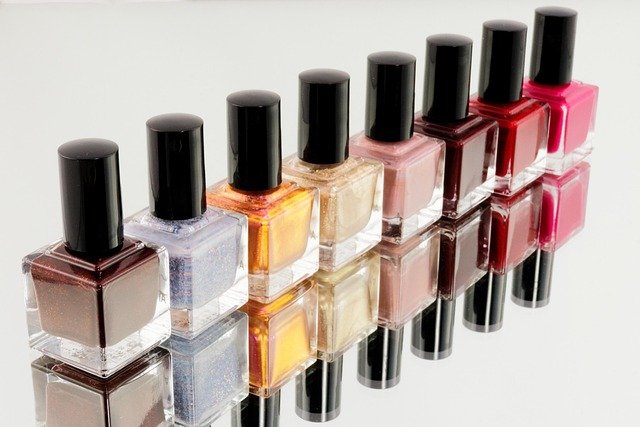
How students should combine categories (critical lesson)
One product should never rely on one type of photo.
Effective ecommerce photo mix:
- Product + Detail → clarity
- Lifestyle + Branding → desire
- Portrait + Documentary → trust
- Flat lay + Social content → consistency
One product, multiple photo types, one coherent brand story.
Conclusion
Phone photography is no longer a compromise. For students building ecommerce projects, it is the most practical and accessible creative tool available.
When students understand why a photo is taken, what category it belongs to, and where it will be used, quality improves — even without expensive equipment.
Photography, when taught correctly, becomes not just an artistic skill, but a business advantage.
References
- Shopify. (n.d.). The complete guide to ecommerce photography. https://www.shopify.com/blog/ecommerce-photography
- Shopify. (n.d.). Image size and optimization for ecommerce. https://www.shopify.com/blog/image-size
- Soona. (2023). The ultimate guide to Shopify product photography. https://soona.co/blog/shopify-product-photography
- Hootsuite. (2024). Social media image sizes guide. https://blog.hootsuite.com/social-media-image-sizes-guide/
- Adobe. (n.d.). Photography basics: Composition, lighting, and exposure. https://www.adobe.com/creativecloud/photography/discover/photography-basics.html
- Nielsen Norman Group. (2019). Visual design and user trust. https://www.nngroup.com/articles/visual-design-credibility/
- Schreiner, M., et al. (2024). To what extent do contextual image backgrounds affect conversion behavior? ACM Digital Library. https://dl.acm.org/doi/10.1145/3678610.3678611
- Google Developers. (n.d.). Optimize images for performance. https://web.dev/fast/#optimize-your-images
More Stories
- Gen X Childhood: Why I Am Who I Am Today ( Part 1 )
- Kristin’s Steakhouse | Ending the Day With Steak
- Ship Shops: Still Floating After 25 Years
- NEPC Holds IEC Activity for Bacolod City Vendors
- Tourism in Negros Occidental: Driving the Provincial Economy
- Oxalic Compounds and Low-Carbohydrate Eating
- HONGKONG TOURIST SPOTS
- ILOCOS NORTE TOURIST SPOTS | THINGS TO DO
- CONSTIPATION TREATMENT | Natural Remedies
- THINGS TO DO IN EL NIDO, PALAWAN | TOURIST SPOTS
- MANJUYOD WHITE SANDBAR TRAVEL GUIDE
- Egg Facial Mask: A Nourishing and Rejuvenating Skincare Treatment
- Mayonnaise Hair Treatment: DIY Bonding Session for Luscious Locks
- Compassion: A Path to Fabulous Living and Lasting Legacies
- Haters Gonna Hate, Learn from Them | Stay Fabulous!