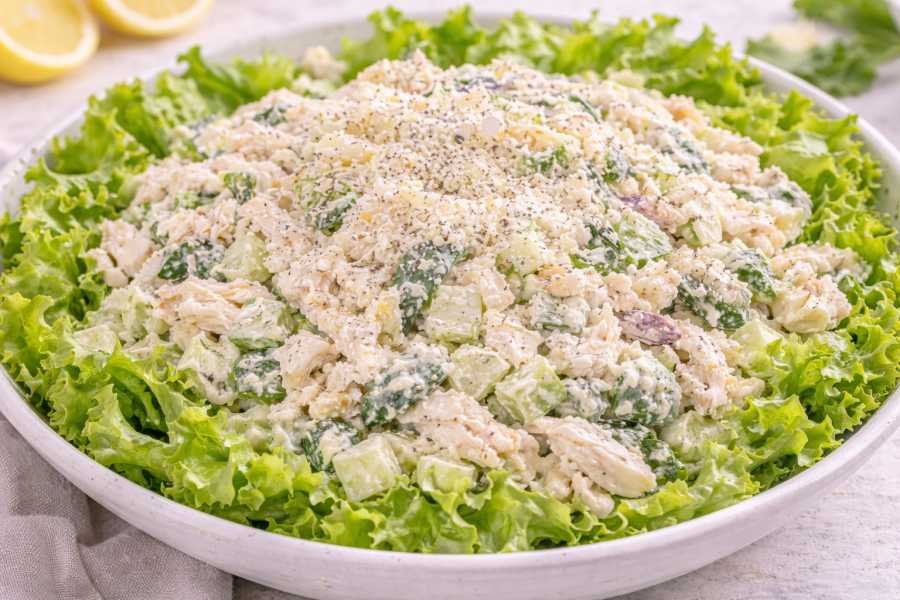
High-Protein Low-Carb Chicken Salad Recipe
Table of Contents
High-Protein Low-Carb Chicken Salad Recipe (Creamy, Filling & Low-Carber Friendly)
How Many Carbs Are Allowed on a Low-Carb Diet — and Where This Recipe Fits
Before getting into this recipe, it’s important to clarify what “low carb” actually means, because different protocols allow different carbohydrate ranges.
According to the Institute of Medicine, the Recommended Dietary Allowance (RDA) for carbohydrates for the general population is 130 g/day, which is based on the minimum glucose needs of the brain
(Institute of Medicine, 2005).
In contrast, low-carbohydrate diets used in clinical and metabolic research are typically defined as below this threshold:
- Moderate low-carb diets: up to 130 g carbs/day
(as used in diabetes and metabolic syndrome research; see
Evert et al., 2019 – Diabetes Care) - Very low-carbohydrate or ketogenic diets: typically 20–50 g net carbs/day, depending on the protocol and individual metabolic response
(outlined in low-carb physiology research by
Volek & Phinney, 2011 – Nutrition & Metabolism) - Carbohydrate-restricted diets for diabetes management: often prioritize net carbs and emphasize carbohydrate quality rather than absolute elimination
(Feinman et al., 2015 – Nutrition)
This high-protein low-carb chicken salad contains approximately 8–10 g net carbohydrates per large, full-meal serving. That places it well within:
- ~6–8% of daily carbs on a 130 g/day low-carb plan
- ~16–40% of daily carbs on a 20–50 g/day ketogenic plan
Importantly, these carbohydrates come almost entirely from non-starchy vegetables and small amounts of dairy, not from refined starches or sugars.
Why Micronutrients and Fiber Are Essential on a Low-Carb Lifestyle ( High-Protein Low-Carb Chicken Salad Recipe )
Well-formulated low-carb diets are not vegetable-free diets. In fact, clinical reviews emphasize that low-carb approaches are healthiest when they include adequate micronutrients and fiber, primarily from non-starchy vegetables.
Dietary fiber:
- Does not significantly raise blood glucose
- Supports gut health and microbiome diversity
- Improves satiety and long-term adherence
This is why low-carb frameworks focus on net carbohydrates rather than total carbohydrates
(Slavin, 2005 – Nutrition).
Large systematic reviews also show that carbohydrate quality—vegetables vs. refined starches—has a stronger association with health outcomes than carbohydrate quantity alone
(Reynolds et al., 2019 – The Lancet).
This recipe intentionally includes:
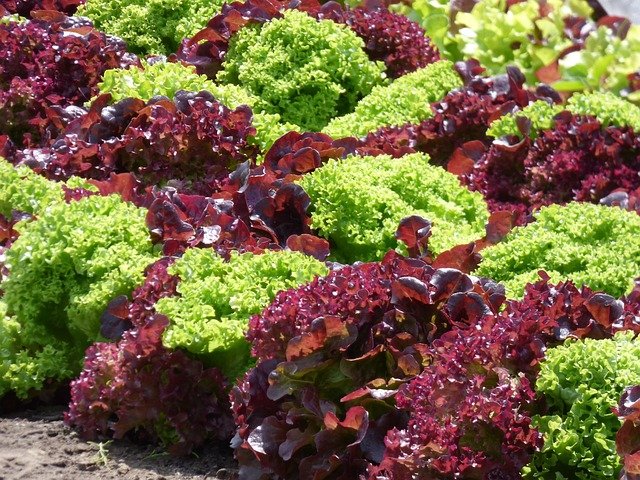
- Leafy greens for folate, vitamin K, and carotenoids
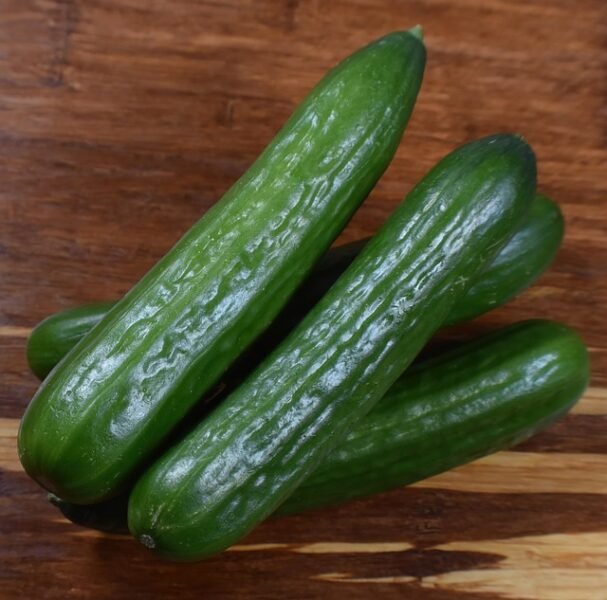
- A whole cucumber for hydration, potassium, and fiber
All while keeping net carbs controlled.
Why This Recipe Works for Low Carbers ( High-Protein Low-Carb Chicken Salad Recipe )
Protein comes first
Chicken breast is a lean, complete protein. Higher-protein meals are consistently associated with improved satiety, reduced hunger, and better glycemic control
(Leidy et al., 2015 – American Journal of Clinical Nutrition).
Carbs come from vegetables, not starch
The carbs in this salad come from vegetables and trace dairy—not grains or sugars—making their metabolic impact significantly lower.
Healthy fats support nutrient absorption
Monounsaturated fats from avocado- or olive-oil–based mayonnaise are associated with improved insulin sensitivity and reduced inflammation
(Perez-Jimenez et al., 2007 – American Journal of Clinical Nutrition).

High-Protein Low-Carb Chicken Salad Recipe
(Creamy, abundant, and designed for large salad eaters)
Ingredients (1 very large, full-meal serving)
- 250 g cooked chicken breast, shredded or diced
- 3–4 cups leafy greens (romaine, iceberg, spinach, or mix)
- 1 medium cucumber, diced
- 4–5 tablespoons full-fat mayonnaise (avocado- or olive-oil based)
- 3 tablespoons grated Parmesan cheese
- Salt and black pepper, to taste
- 1–2 teaspoons lemon juice or apple cider vinegar (optional)
👉 For a creamier salad, you may add more mayonnaise and Parmesan cheese. This remains low carb when done reasonably and often improves satiety and adherence.
How I Prepare It ( High-Protein Low-Carb Chicken Salad Recipe )
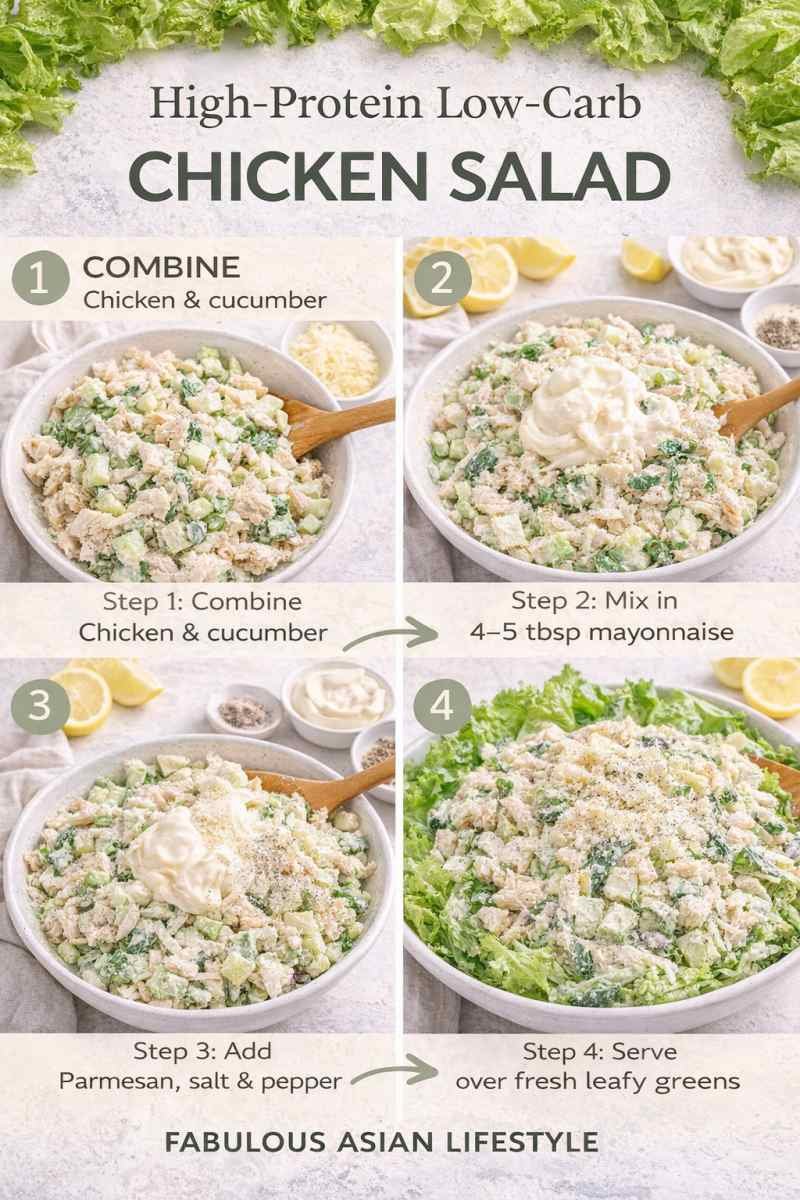
- Combine chicken and diced cucumber in a large bowl.
- Add mayonnaise and mix until generously coated.
- Fold in Parmesan cheese.
- Season with salt and pepper.
- Add lemon juice or vinegar if desired.
- Serve over leafy greens or toss fully.
Macronutrient Estimate (Approximate) | ( High-Protein Low-Carb Chicken Salad Recipe )
- Calories: ~580–650 kcal
- Protein: ~55–60 g
- Fat: ~40–45 g
- Total Carbohydrates: ~11–13 g
- Fiber: ~2–3 g
- Net Carbs: ~8–10 g
Final Perspective
Low-carb eating works best when it is protein-adequate, fiber-inclusive, micronutrient-aware, and enjoyable. This chicken salad fits comfortably within established low-carb and ketogenic carbohydrate ranges while supporting nutritional completeness.
References
- Institute of Medicine (US).
Dietary Reference Intakes for Energy, Carbohydrate, Fiber, Fat, Fatty Acids, Cholesterol, Protein, and Amino Acids.
https://nap.nationalacademies.org/catalog/10490 - Feinman RD, et al.
Dietary carbohydrate restriction as the first approach in diabetes management.
Nutrition (2015).
https://www.sciencedirect.com/science/article/pii/S089990071500109X - Volek JS, Phinney SD.
Carbohydrate restriction and metabolic health.
Nutrition & Metabolism (2011).
https://nutritionandmetabolism.biomedcentral.com/articles/10.1186/1743-7075-8-68 - Evert AB, et al.
Nutrition therapy for adults with diabetes or prediabetes.
Diabetes Care (2019).
https://diabetesjournals.org/care/article/42/5/731/36532 - Reynolds A, et al.
Carbohydrate quality and human health.
The Lancet (2019).
https://www.thelancet.com/journals/lancet/article/PIIS0140-6736(18)31809-9/fulltext - Slavin JL.
Dietary fiber and body weight.
Nutrition (2005).
https://www.sciencedirect.com/science/article/pii/S0899900705001764 - Leidy HJ, et al.
The role of protein in appetite regulation and glycemic control.
American Journal of Clinical Nutrition (2015).
https://academic.oup.com/ajcn/article/101/6/1320S/4564498 - Perez-Jimenez F, et al.
Monounsaturated fatty acids and insulin sensitivity.
American Journal of Clinical Nutrition (2007).
https://academic.oup.com/ajcn/article/86/3/735/4632994