![[ Type 2 Diabetes, Weight Loss in Low-Carb ]](https://www.fabasianlifestyle.com/wp-content/uploads/2025/12/KETO-8.jpg)
Table of Contents
my before and after [ Type 2 Diabetes, Weight Loss in Low-Carb ]
How Low‑Carb Helps Type 2 Diabetes and Weight Loss — A Personal Journey + Science‑Backed Guide (SEO Ready)
CLICK HERE FOR MORE LOW-CARB LIFESTYLE STORIES
Type 2 diabetes isn’t just about “high sugar” — it’s about insulin resistance, where your body can’t use insulin effectively. That’s why managing carbohydrates — the nutrient that turns into glucose in your blood — can be transformational. For many people (myself included), adopting a low‑carbohydrate lifestyle has not only lowered blood sugar levels but also helped shed excess weight. In this article, we’ll unpack why low‑carb works for type 2 diabetes and weight loss, how it fits into a broader lifestyle approach (including sleep, exercise, stress), and what the science and doctors say about it.

My Personal Results: A Real Example [ Type 2 Diabetes, Weight Loss in Low-Carb ]
Before low‑carb, my blood sugar (HbA1c) was elevated — and stubbornly so despite trying multiple strategies. Once I shifted to a lower carbohydrate eating pattern and stuck with it consistently:
My blood sugar went down — my most recent measurements show significantly improved glucose control.
My body weight dropped, too — not through extreme dieting, but through a sustainable lifestyle shift.
These changes mirror what researchers often see in clinical studies when people with type 2 diabetes reduce carbohydrate intake. Sugar Nutrition Resource Centre
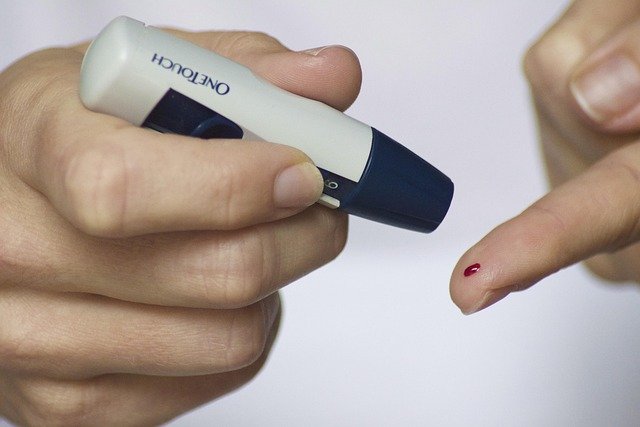
Why Low Carb Helps Type 2 Diabetes
1. Carbs Turn Into Sugar in Your Blood
Carbohydrates — especially refined ones like bread, rice, pasta, and sugary drinks — are quickly broken down into glucose. In type 2 diabetes, this leads to spikes that are hard for the body to manage because insulin isn’t working well. Reducing carbs reduces those spikes. Healthline
2. Less Blood Sugar Means Less Insulin Stress
When you eat fewer carbs, your pancreas doesn’t have to release as much insulin. Some research even suggests low‑carb eating can improve insulin sensitivity and beta‑cell function — that’s the part of the pancreas that makes insulin. uab.edu
3. Weight Loss Improves Diabetes
Carbohydrate restriction often leads to natural appetite reduction, so people eat less without feeling deprived, and this can lead to faster weight loss compared to exercise alone. One study found that over a short period, low‑carb diets led to significantly more weight loss and fat reduction than exercise alone. PubMed
4. Clinical Evidence
A large review of low‑carb interventions showed improvements in HbA1c (average long‑term blood sugar) and favorable effects on triglycerides and HDL (“good”) cholesterol — both heart risk factors. PubMed
Another meta‑analysis saw low‑carb diets improve fasting glucose and lipid profiles in overweight people with type 2 diabetes. PubMed
![[ Type 2 Diabetes, Weight Loss in Low-Carb ]](https://www.fabasianlifestyle.com/wp-content/uploads/2025/12/meat-1155132_640.jpg)
is this low-carb food boring? i dont think so, lol
What Doctors and Experts Say [ Type 2 Diabetes, Weight Loss in Low-Carb ]
Low‑carb isn’t fringe — many clinicians support it:
- Dr. David Unwin (UK GP) has helped hundreds of patients improve diabetes through low‑carb eating, winning national innovation awards for his approach. lowcarbneurologist.com
- Dr. Eric Westman, an expert in low‑carb and low‑glycemic diets, often discusses how reduced carbs improve both blood sugar and weight outcomes. Diet Doctor
- Dr. David Ludwig, MD, PhD, endocrinologist and obesity researcher, has studied how low‑glycemic and low‑carb patterns affect hormones and weight regulation. lowcarbneurologist.com
- Dr. Richard K. Bernstein (1934–2025) was a leading advocate of low‑carb for diabetes management and authored several influential books on achieving near‑normal glucose levels through nutrition and monitoring. Wikipedia
Also, even established diabetes organizations acknowledge that reducing carbohydrate intake is one of the most evidence‑supported ways to improve glycemia in diabetes management. Obesity Medicine Association

Low‑Carb Is a Lifestyle, Not a Sprint [ Type 2 Diabetes, Weight Loss in Low-Carb ]
Success isn’t just about carbs — it’s about how low‑carb fits into a holistic life pattern:
1. Sleep Matters
Poor sleep disrupts hormones that control hunger and insulin sensitivity. People who consistently sleep less than 6 hours tend to have worse blood sugar control. Getting a solid 7–8 hours can help regulate appetite and glucose. Healthline
2. Exercise Boosts Insulin Sensitivity
Physical activity — both aerobic (walking, cycling) and strength training — helps muscles use glucose more effectively, lowering blood sugar and improving insulin response. Healthline
3. Stress Management Lowers Sugar Spikes
Chronic stress raises cortisol, which can increase blood sugar levels and cravings for high‑carb foods. Practices like meditation, yoga, and mindful breathing can help keep stress and glucose in check. Healthline
4. Other Lifestyle Factors
- Regular meal timing helps stabilize glucose.
- Hydration and fiber intake support digestion and slower glucose absorption.
- Smoking cessation and moderate alcohol further promote metabolic health.
![[ Type 2 Diabetes, Weight Loss in Low-Carb ]](https://www.fabasianlifestyle.com/wp-content/uploads/2025/12/meal-1307604_640.jpg)
Final Thoughts: Low Carb + Whole Lifestyle
Low‑carb isn’t a fad diet — it’s a sustainable lifestyle choice that, for many people with type 2 diabetes, can lead to lasting improvements in blood sugar and weight control. Pair it with good sleep, regular exercise, stress reduction, and balanced nutrition, and you have a powerful, integrated strategy for health.
If you’re thinking about trying it, talk to your healthcare team — especially if you’re on diabetes medications, because your dosages may need adjustment as your blood sugar improves.
![[ Type 2 Diabetes, Weight Loss in Low-Carb ]](https://www.fabasianlifestyle.com/wp-content/uploads/2025/12/KETO-4.jpg)
December 2025
Key Takeaways [ Type 2 Diabetes, Weight Loss in Low-Carb ]
- Low‑carb diets help stabilize blood glucose and support weight loss. Sugar Nutrition Resource Centre+1
- Clinical studies show improvements in HbA1c, triglycerides, and HDL with carbohydrate restriction. PubMed
- Lifestyle factors like sleep, exercise, and stress greatly influence diabetes outcomes. Healthline
- Experts like Dr. David Unwin, Dr. Eric Westman, and Dr. David Ludwig support lower‑carb approaches for metabolic health. lowcarbneurologist.com+1
CLICK HERE FOR MORE LOW-CARB LIFESTYLE STORIES
OTHER STORIES
- Miss Cosmo 2025 Crowns USA ; Philippines, First Runner-Up
- Glasshouse Sports Court for Fabulous Living | Megaworld Bacolod
- How Trainers and Educators Should Dress
- Negros Power Lowers Electricity Rates This December 2025
- AI Proofing the Workplace: How to Stay Relevant
- Primelectric Eyes World-Class Power Service
- 24 THINGS TO DO IN CHIANG MAI | TOURIST SPOTS
- 25 THINGS TO DO IN CAMBODIA | TOURIST SPOTS
- THINGS TO DO IN TOKYO | TOURIST SPOTS
- 20 TOP SINGAPORE TOURIST SPOTS | THINGS TO DO
- Sushi: Savoring the Delightful Artistry | Fabulous Asian Lifestyle
- Roco’s Studio Photography : A Fabulous Photoshoot Experience
- Spontaneity and Unfiltered Honesty: The Power of Authentic Expression
- Coffee Ground Exfoliation : Revive Your Skin with the Power of Nature